
NONGZAO Products • Earth
Of all things made by human hands, earth embodies the most fundamental ethic.
Original Text | Xu Gang • NONGZAO Field Notes
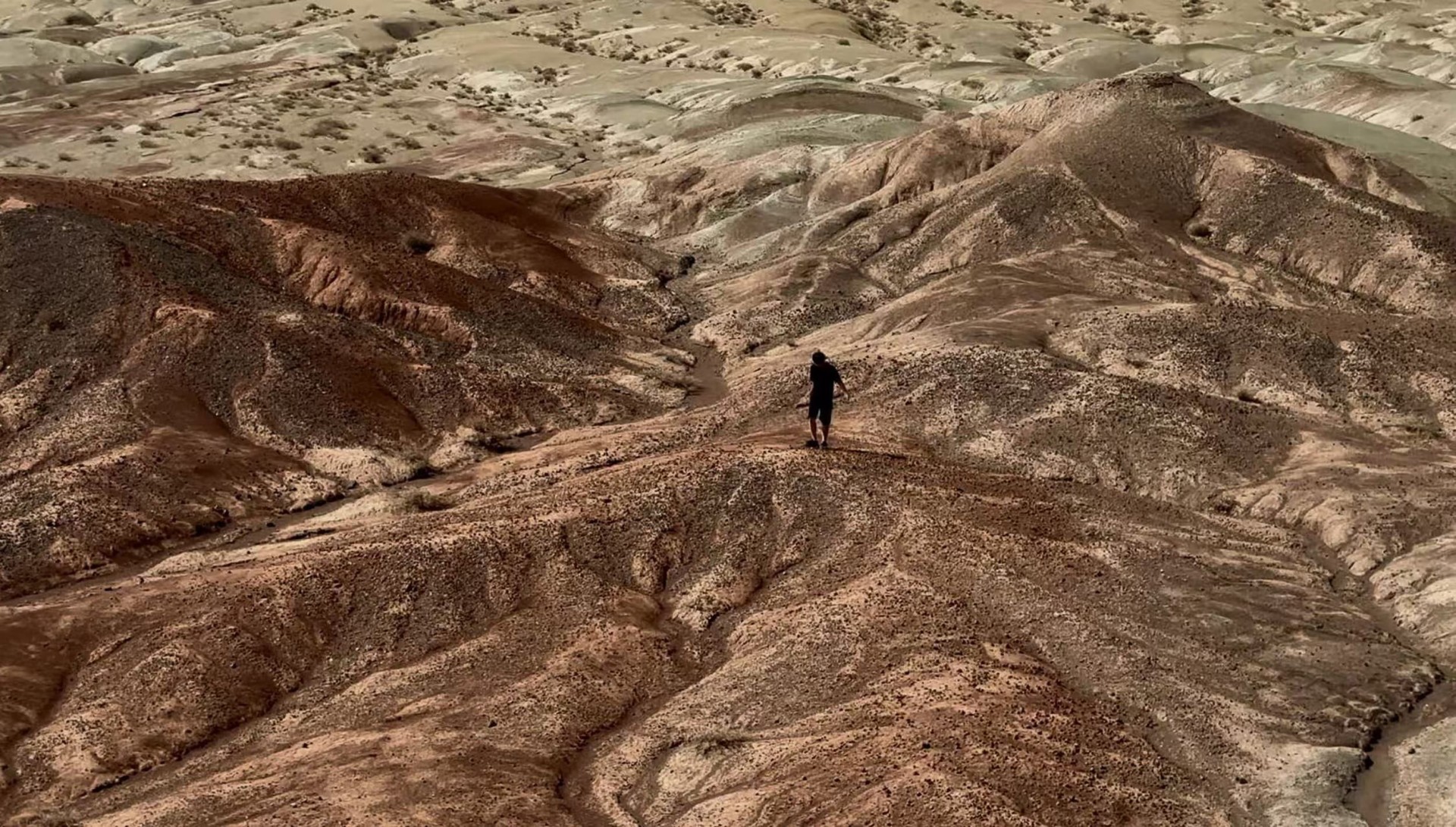
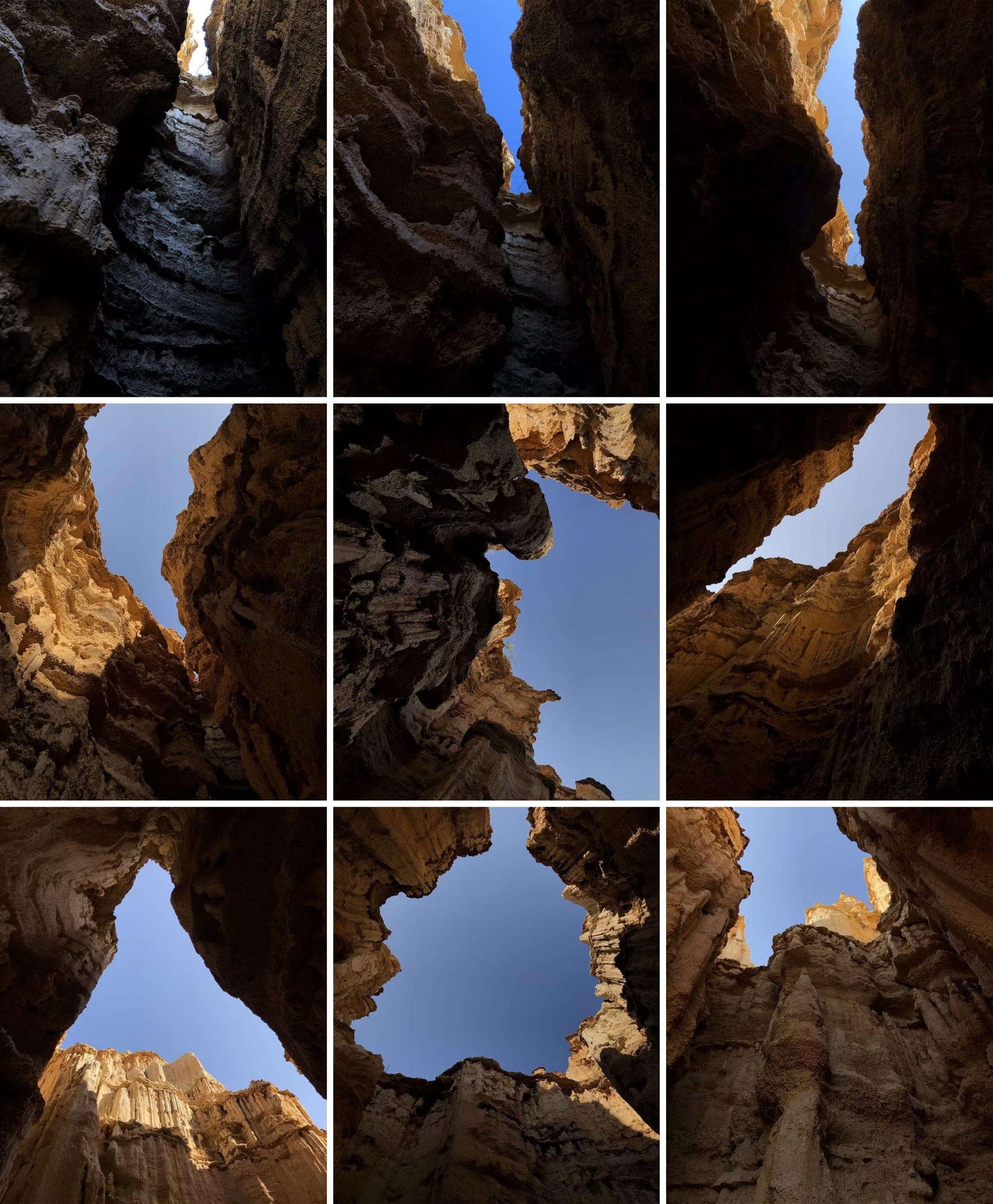
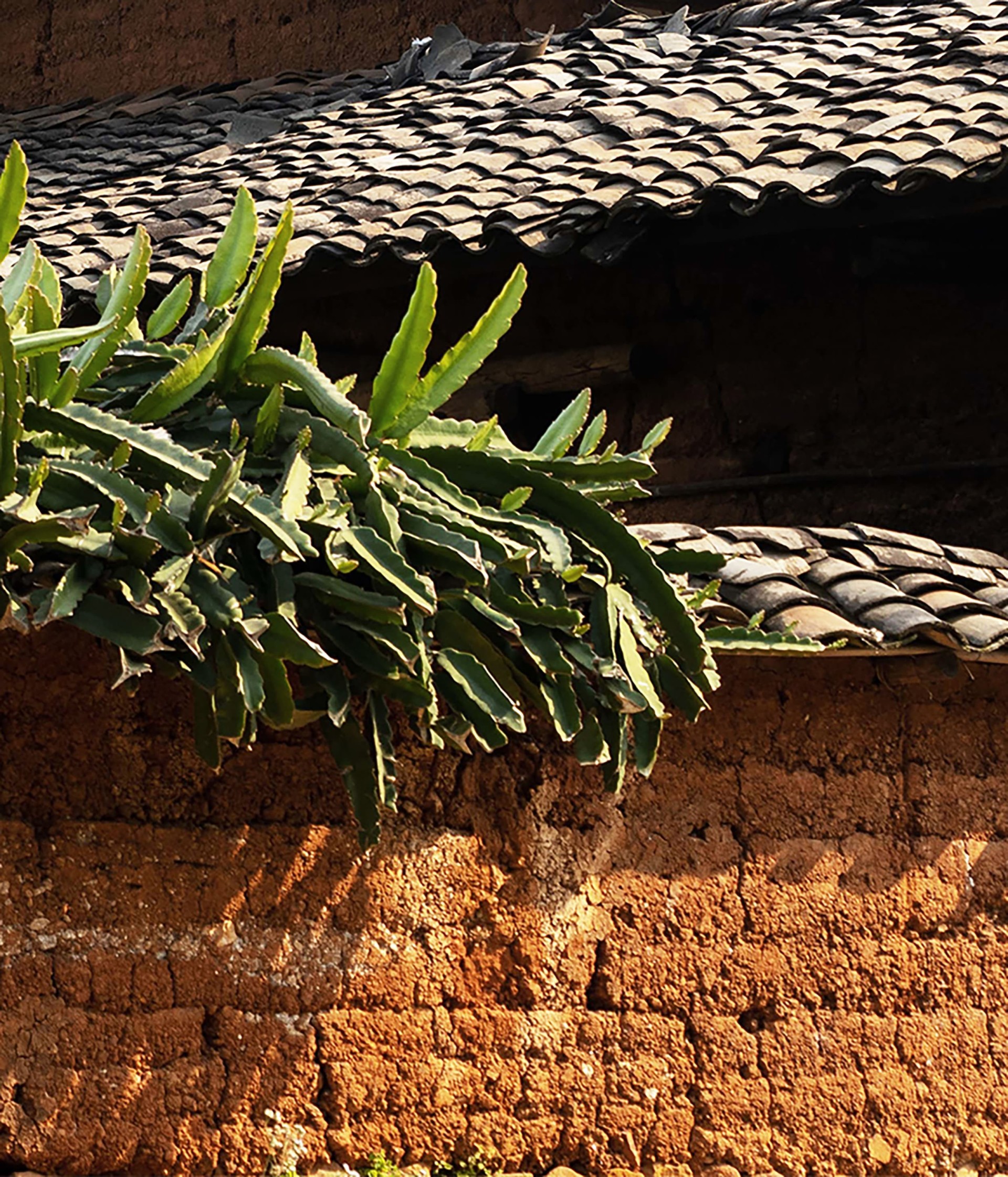
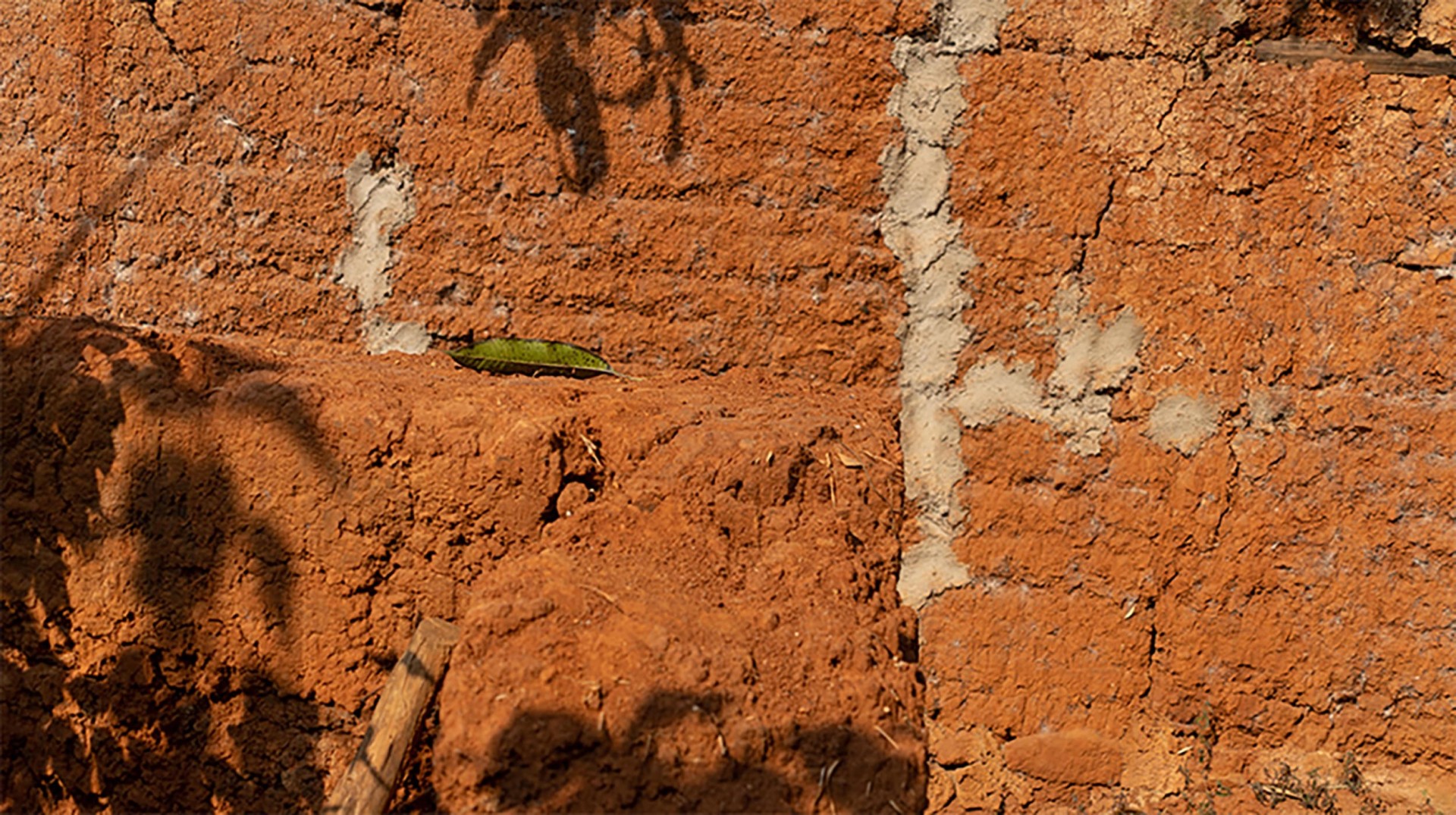
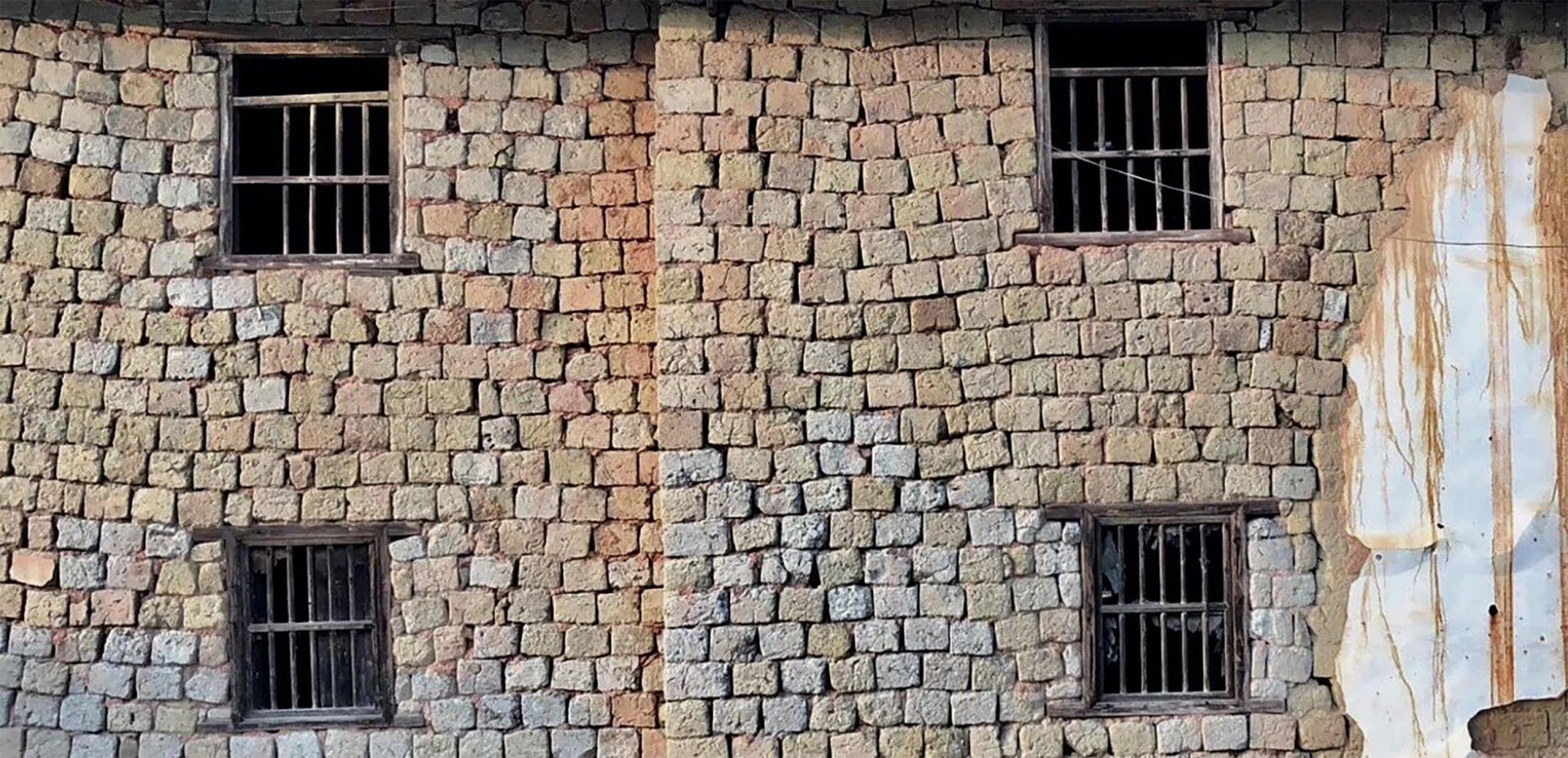
Earth is more than a material. It is inseparable from my childhood, and it has shaped the way I understand the world.
I grew up in the mountains, in a house built of earth bricks and roof tiles, with terraced fields stretching in rings around it. Every year, after the autumn harvest, rows of small mounds appeared in the fields, spaced two or three metres apart. Each was about a metre in diameter, rising from the ground like a low hill. The villagers called the practice shaobao, or “burning mounds.”
Freshly harvested rice straw was packed inside each mound and set alight. Thin trails of smoke rose slowly from the top. The straw burned down to ash, which was then returned to the fields to help replenish the soil. We children ran and played between the mounds, surrounded by the smell of burning straw and the distinct scent of wood ash. We had no idea what purpose any of it served. To us, it was simply part of life in the mountains after the harvest.
Arable land was scarce in the mountains. Between the terraces, there were occasional small patches of level ground. Whenever mud bricks were needed, the adults would gather the leftover earth into a pile and build a low retaining wall around it, about twenty or thirty centimetres high. They mixed in dried rice straw and poured over spring water from the mountains. Then they led an old yellow ox around and around the pile, trampling the earth until the straw was evenly dispersed and the mixture became dense and cohesive.
The prepared earth was packed into wooden moulds made from four planks joined to form a rectangular frame. Once the mould was full, the earth was tamped down firmly and levelled. The wooden frame was lifted away, leaving a freshly formed mud brick. The adults repeated the process, one brick after another, until the open ground beside them was covered with rows of new bricks.
After the autumn rains, the weather turned drier and the air grew less humid. The bricks were left to dry naturally in the open. The earth held the mixture together; the straw fibres gave it added toughness. Together, they formed a building material commonly used in the area. No sophisticated equipment was needed, nor was there any firing involved. The whole process—from gathering the earth and mixing it with water to trampling, moulding and air-drying—was carried out with what was readily available.
While the adults made bricks, we played nearby, digging into the earth and shaping mud with our hands, free to do as we pleased. Earth was both the material of our homes and something we could reach out and touch every day.
When I occasionally fell ill with a fever as a child, there was no doctor in the mountains. The nearest village health worker lived several kilometres away, sometimes more than ten. At such times, my grandmother would lean on her walking stick and make her way to a small shrine on a distant ridge. There, she would pray to the Buddha for my recovery and return with what she called a magic pill. She would dissolve it in water for me to drink, assuring me that I would get better.
For years, I had no idea what the pill was. Only when I grew older did I learn that it was nothing more than ash from the incense burner at the shrine.
Of course, incense ash cannot cure a fever. But at the time, it carried my grandmother’s hopes and offered some comfort to a sick child and the adults who worried over him. Looking back, I have no wish to dismiss the experience simply because I now know better. Given the circumstances in which people lived, it was one way of confronting illness and seeking protection when little else was available.
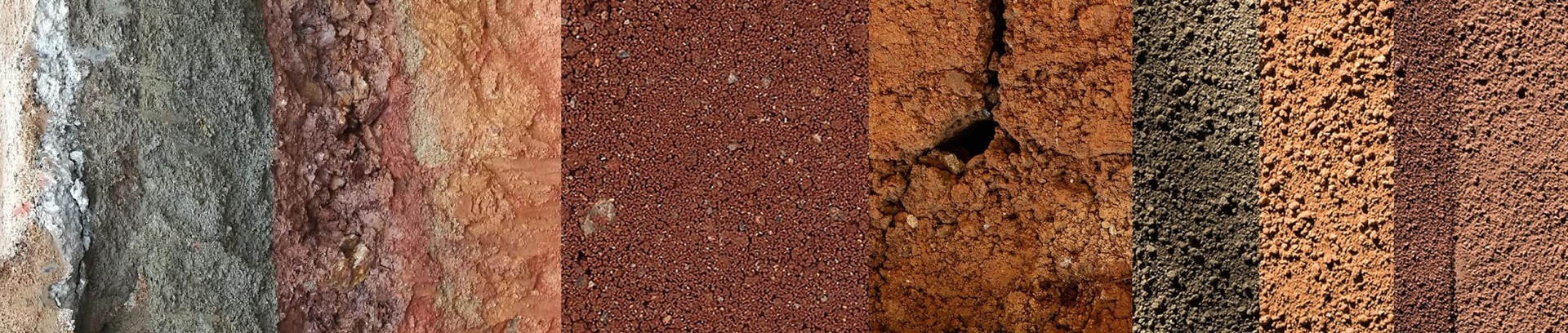
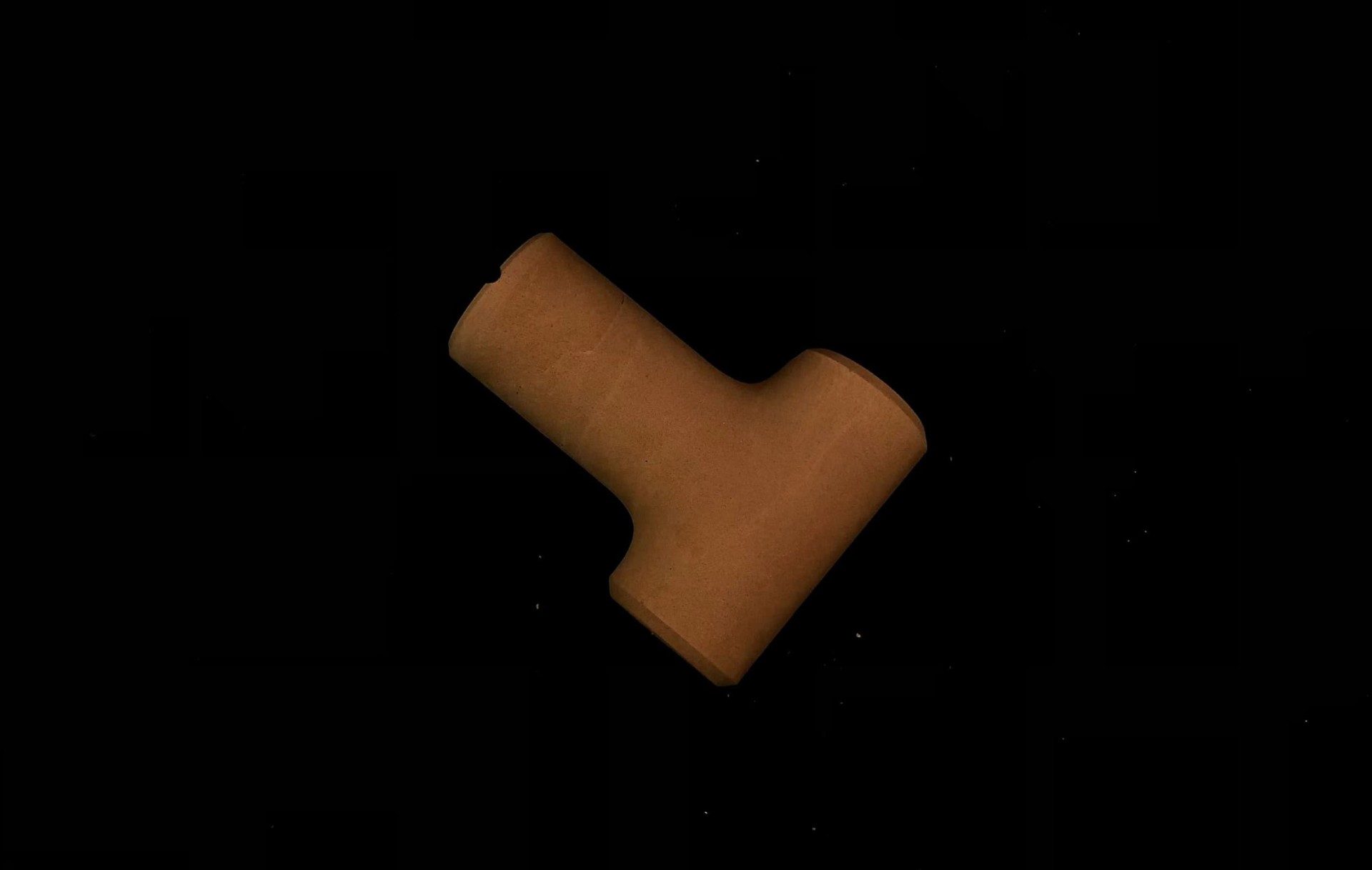
From the ash returned to the fields, to the mud bricks used to build our homes, to the residue in the incense burner, earth appeared in many forms throughout my childhood. It was part of our labour and part of the places we lived. I did not recognise the connections between these things back then. Only later, when I began to look at earth as a material in its own right, did those memories take on another meaning.
In traditional Chinese culture, earth was not merely the material basis of survival. It also carried ideas about land, agriculture and order. Expressions such as “the Yellow Emperor ruled by the virtue of earth” reflect the cultural significance attributed to it in ancient thought. Earth is inseparable from the land, from food and shelter, and from the everyday conditions that sustain human life.
Materially speaking, earth is one of the most familiar substances on the surface of the planet. Ordinary and seemingly abundant, it underpins agriculture, participates in the water cycle and supports countless forms of life. We depend on it for food and use it to build our homes, yet rarely stop to consider its value in its own right.
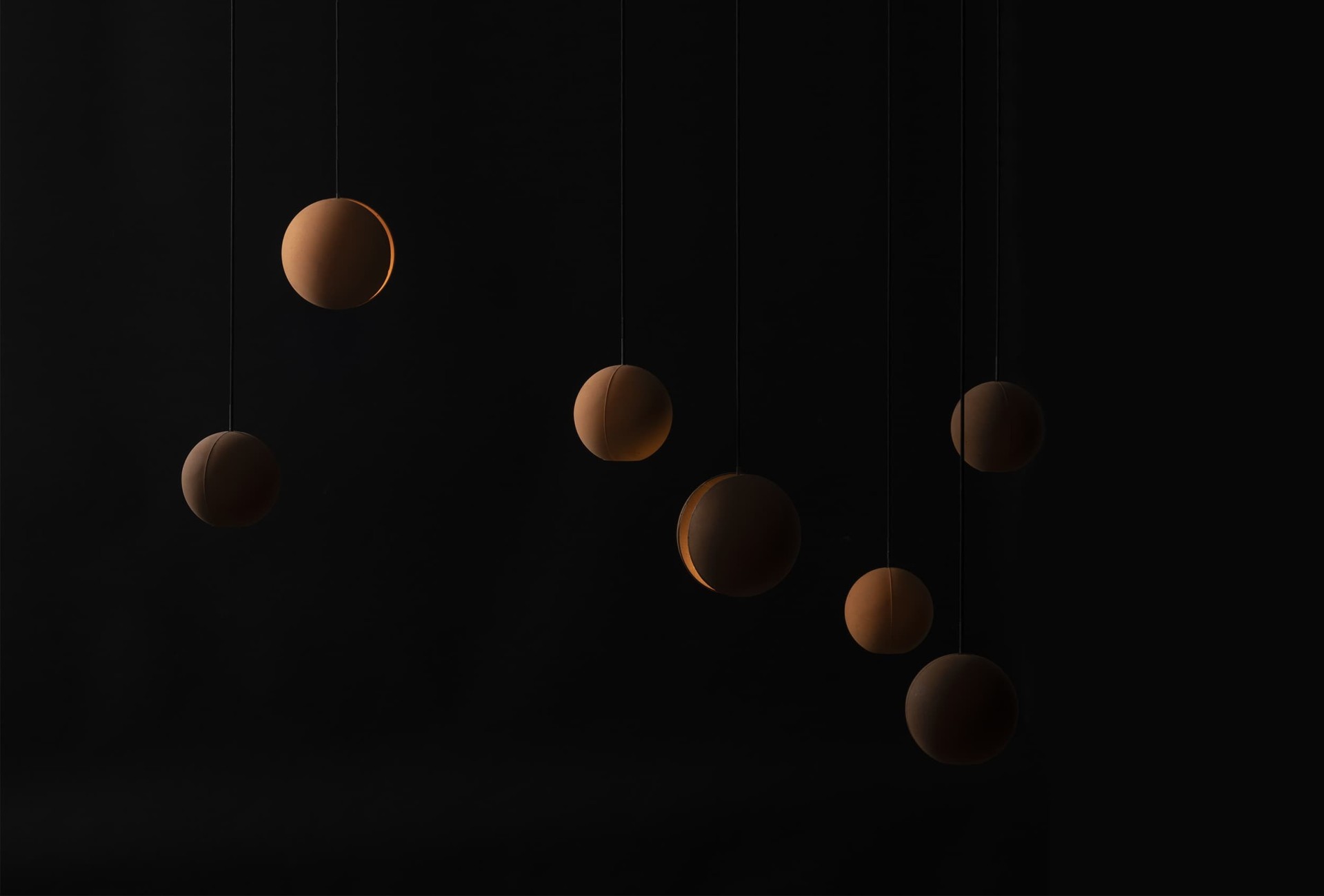
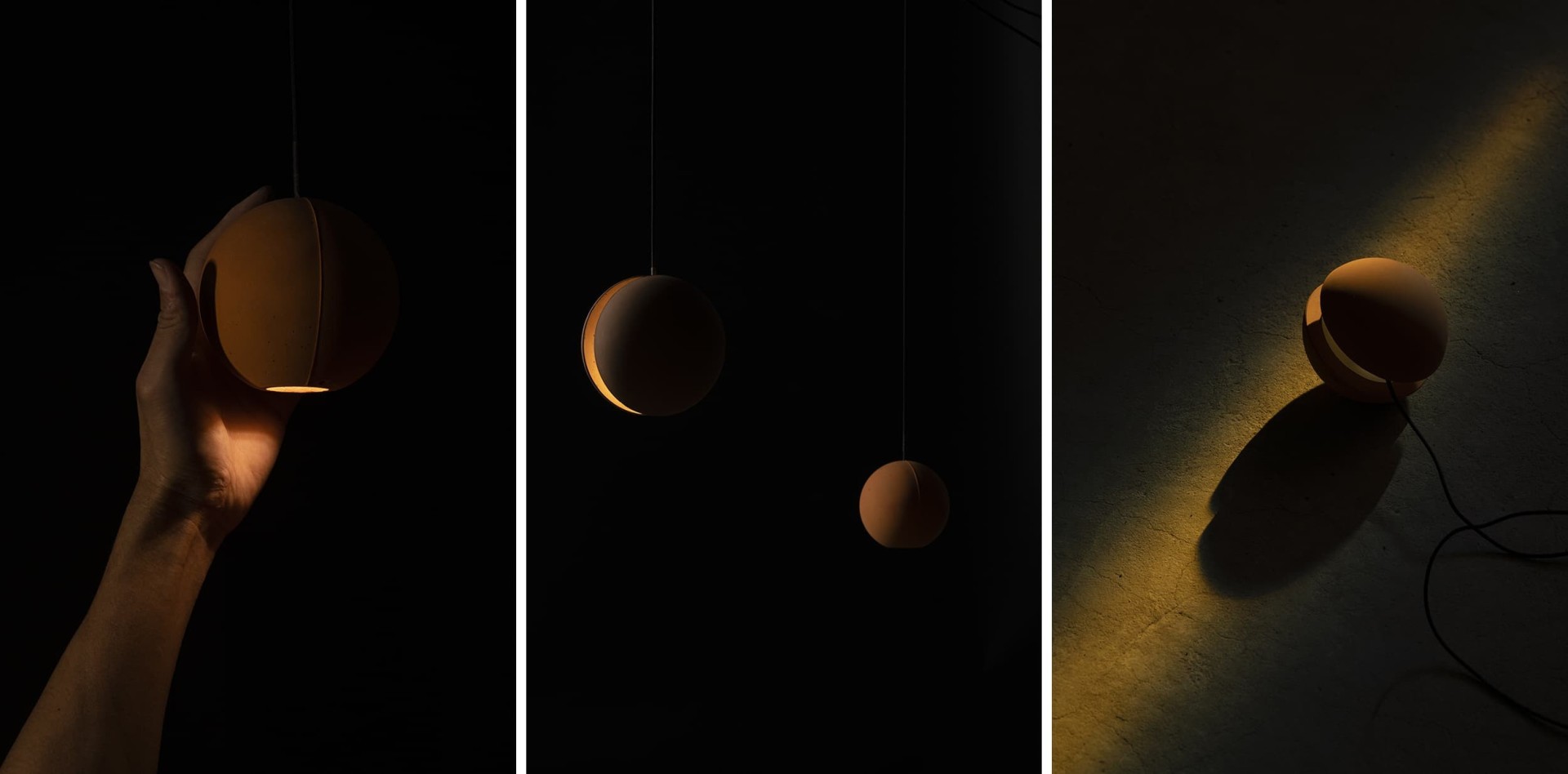
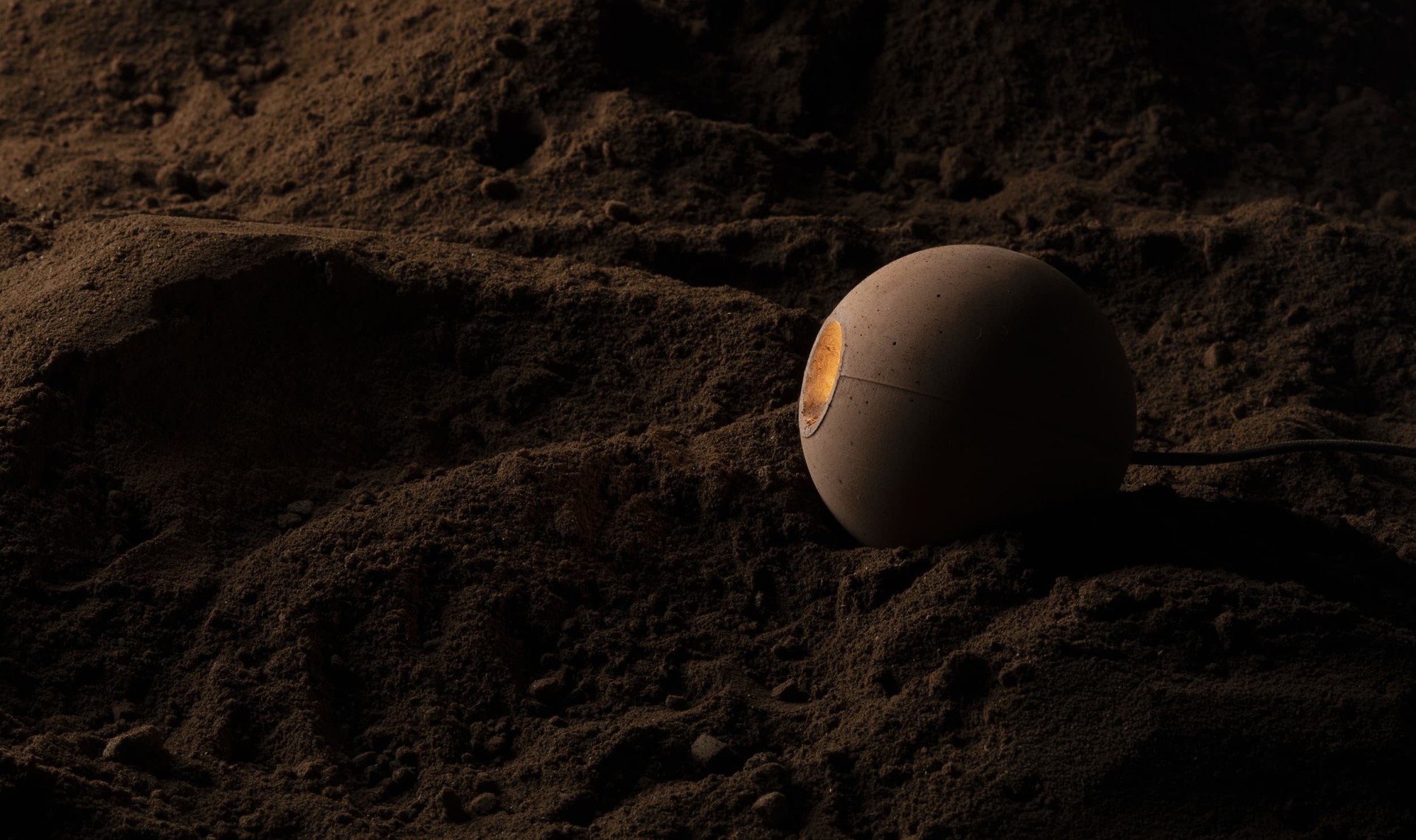
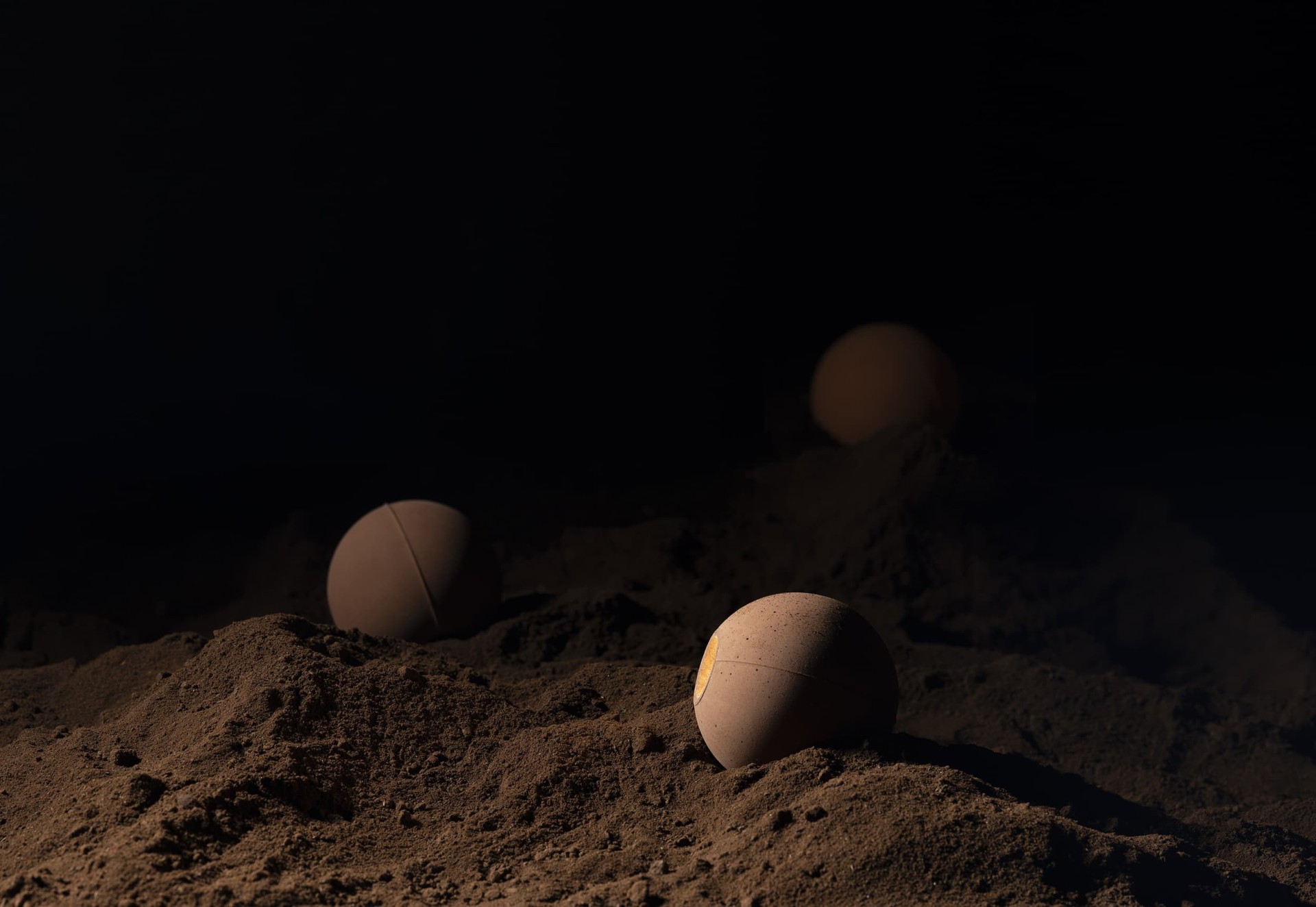
With urbanisation and industrial production, soils face mounting pressures. Industrial emissions, household waste, inappropriate agricultural inputs and changes in land use can all affect soil quality. Land is often treated as a space that can continue to supply resources and absorb waste indefinitely, while the costs it bears may not become apparent until much later.
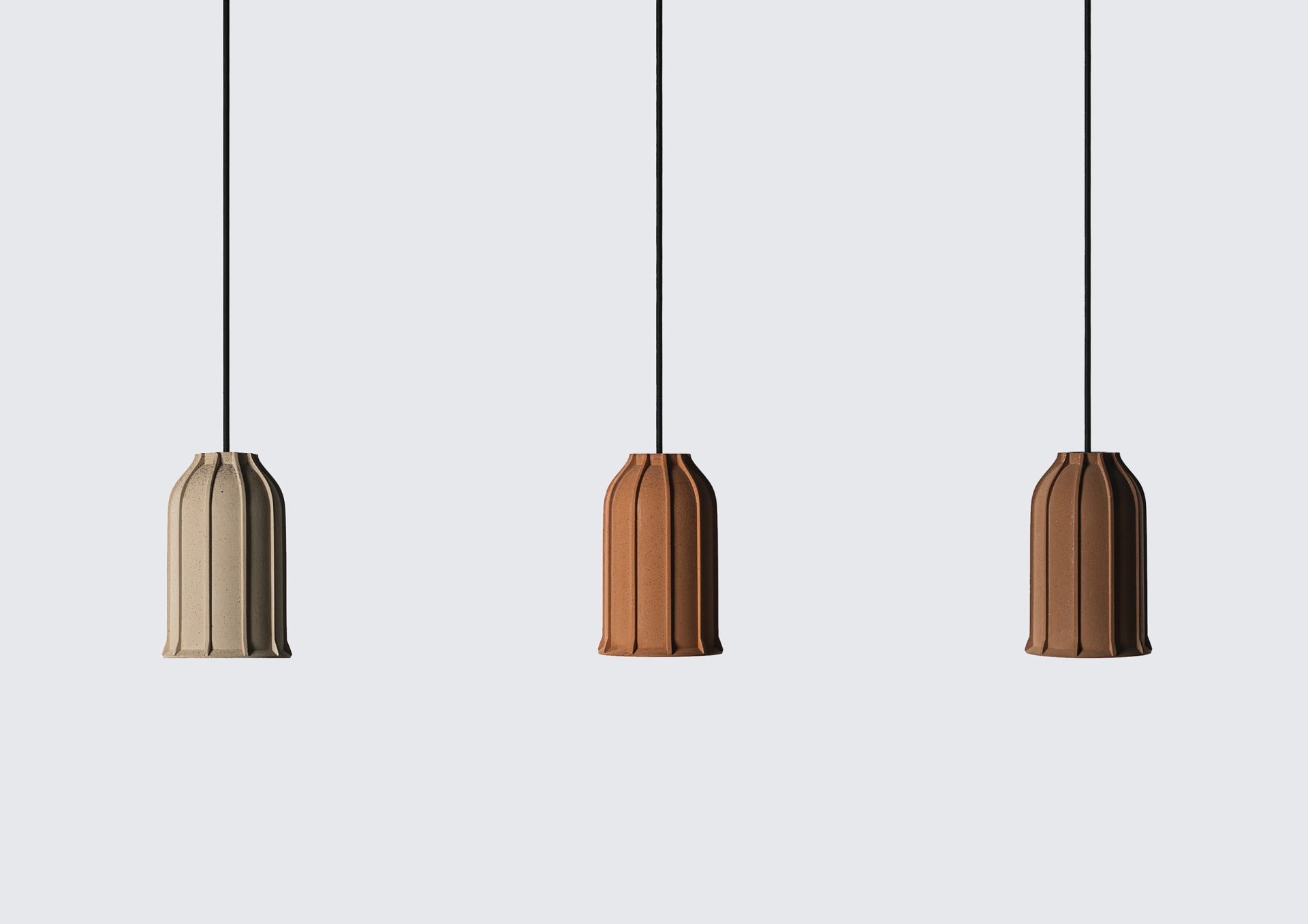
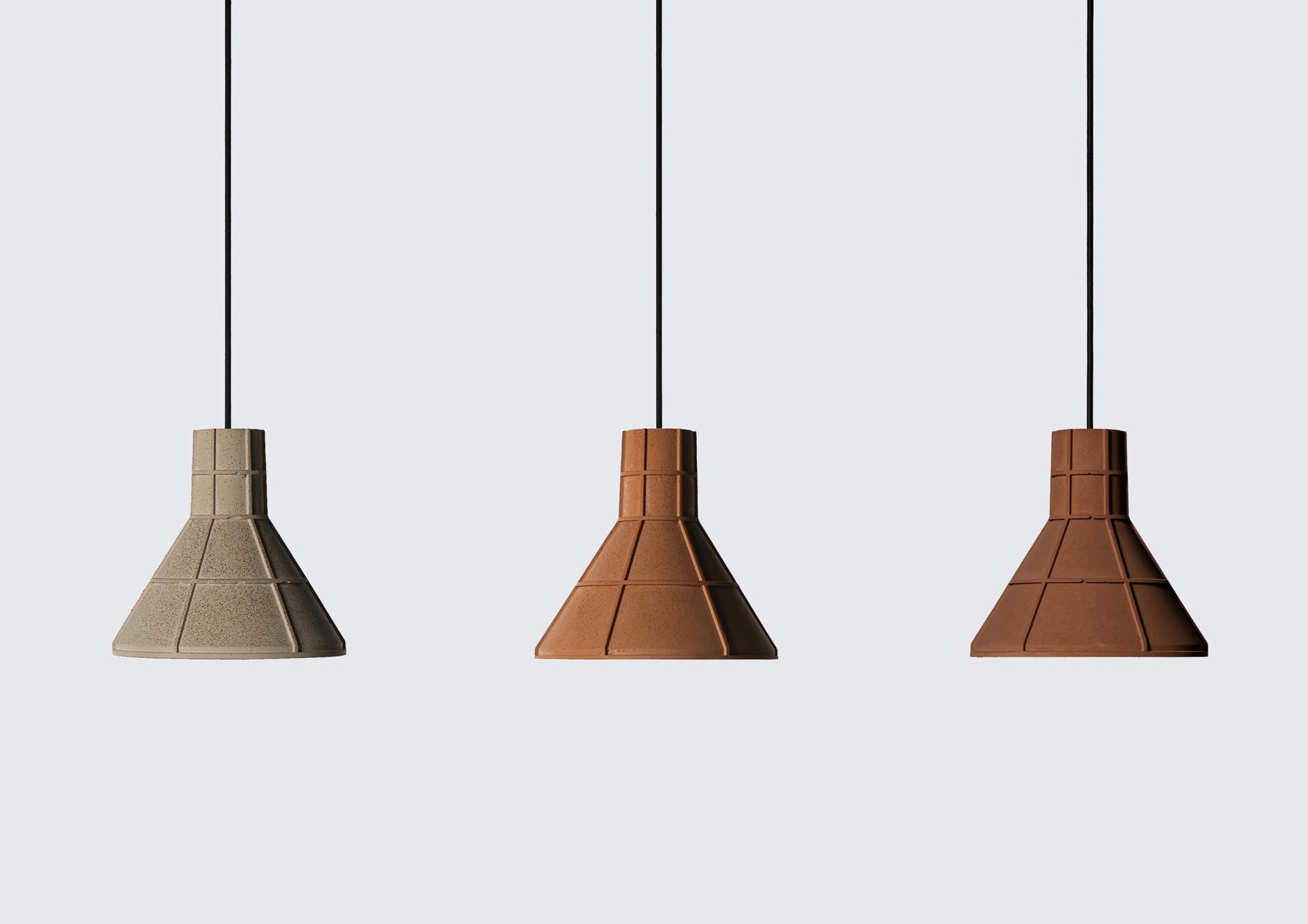
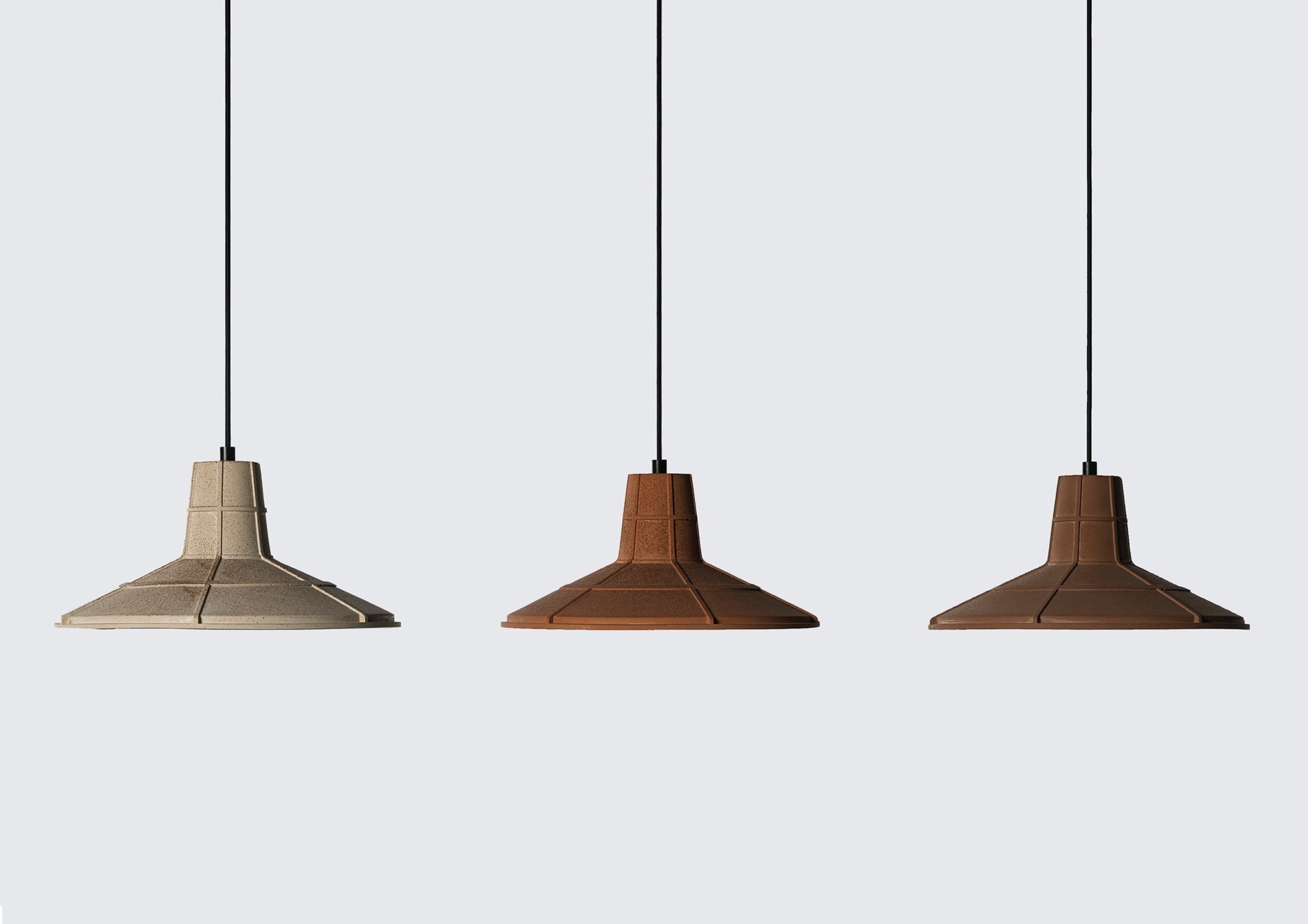
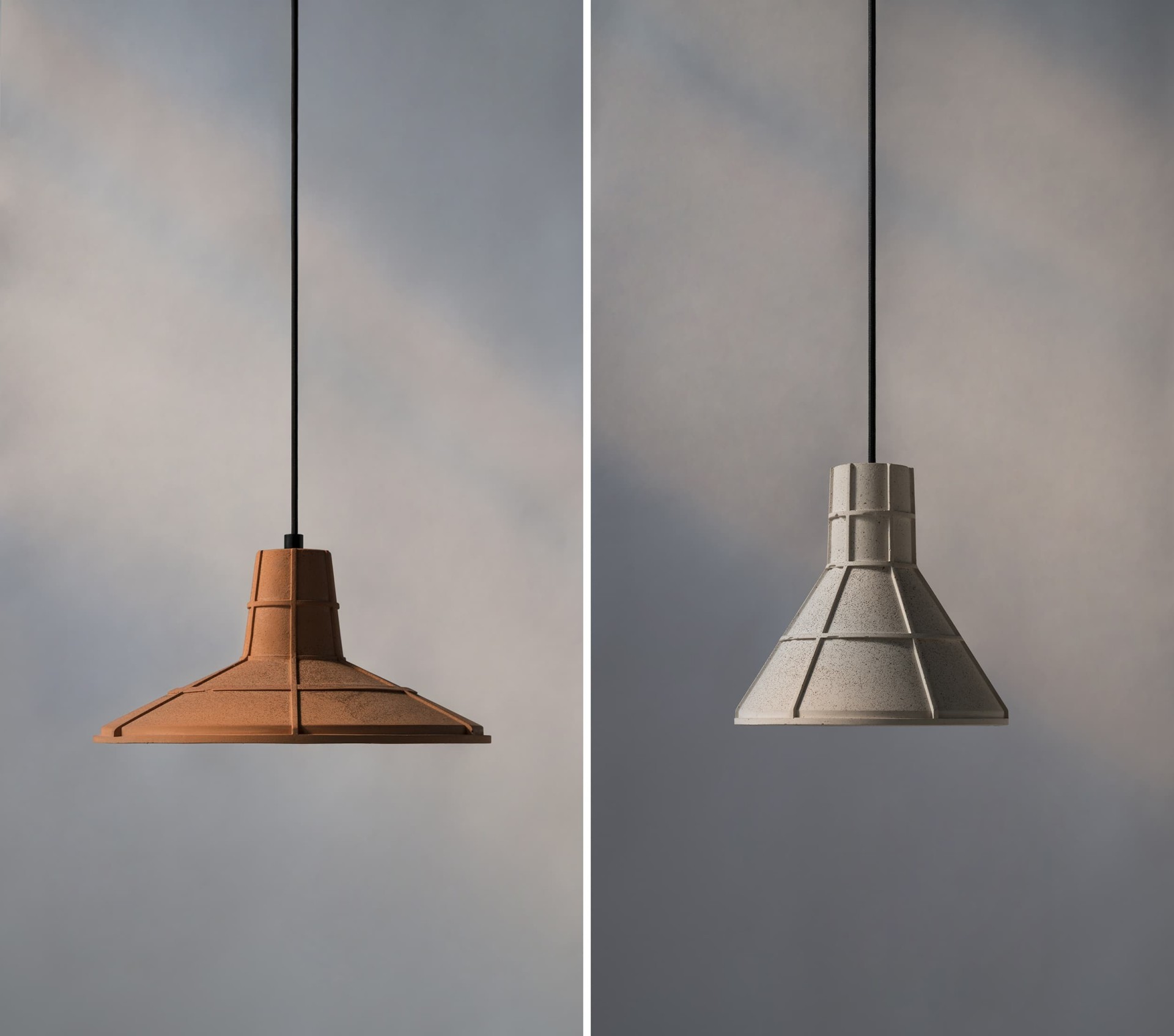
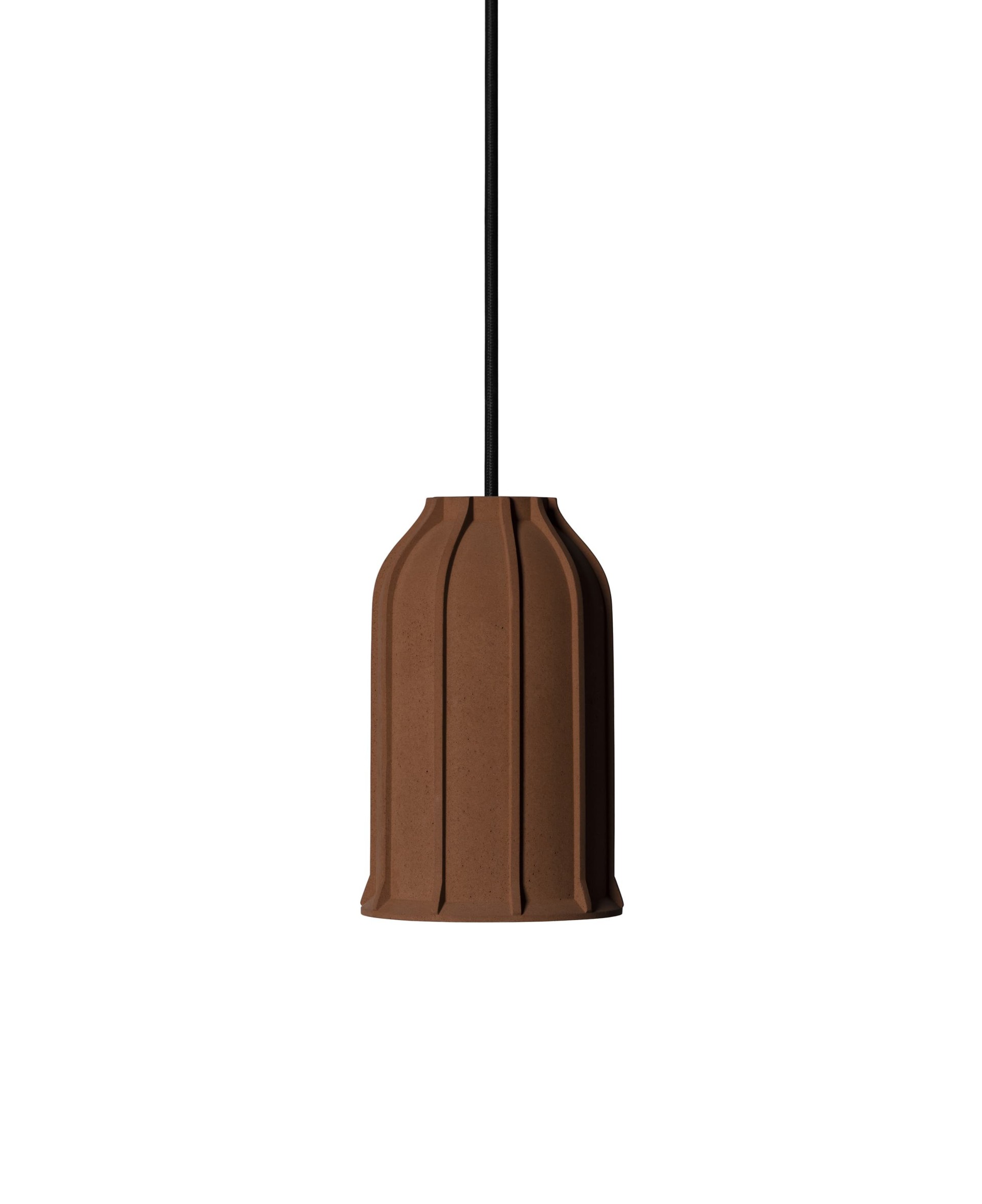
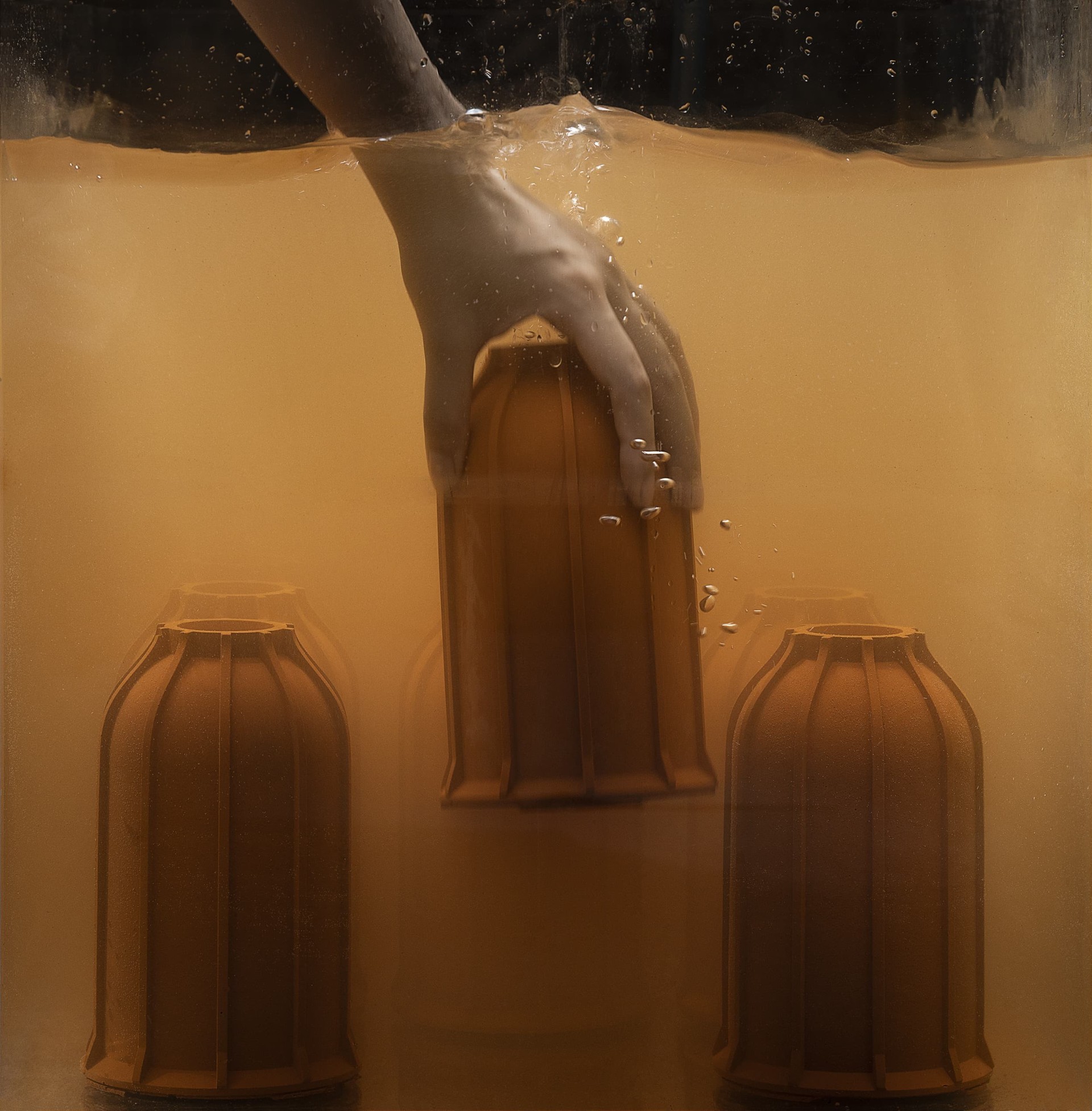
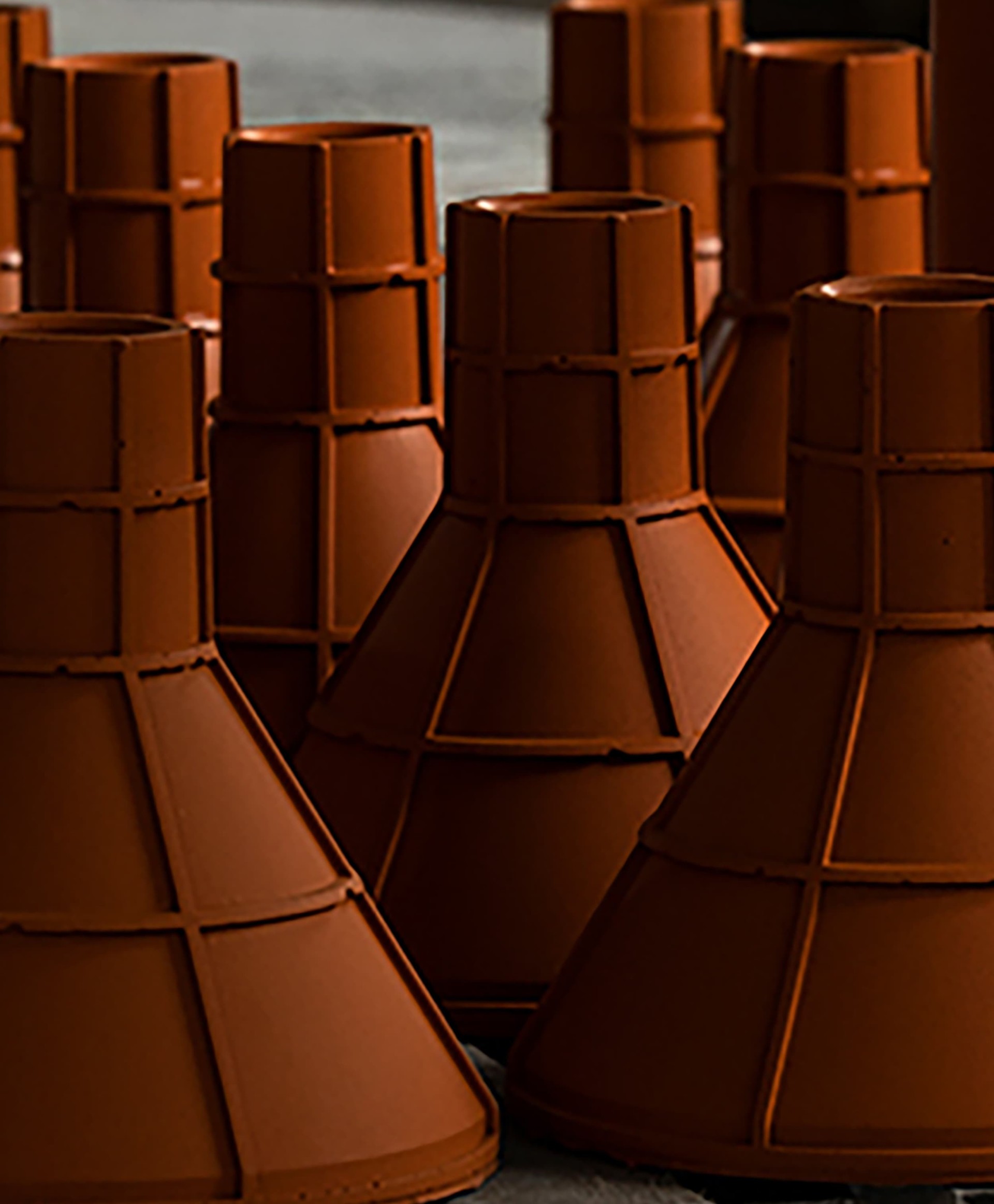
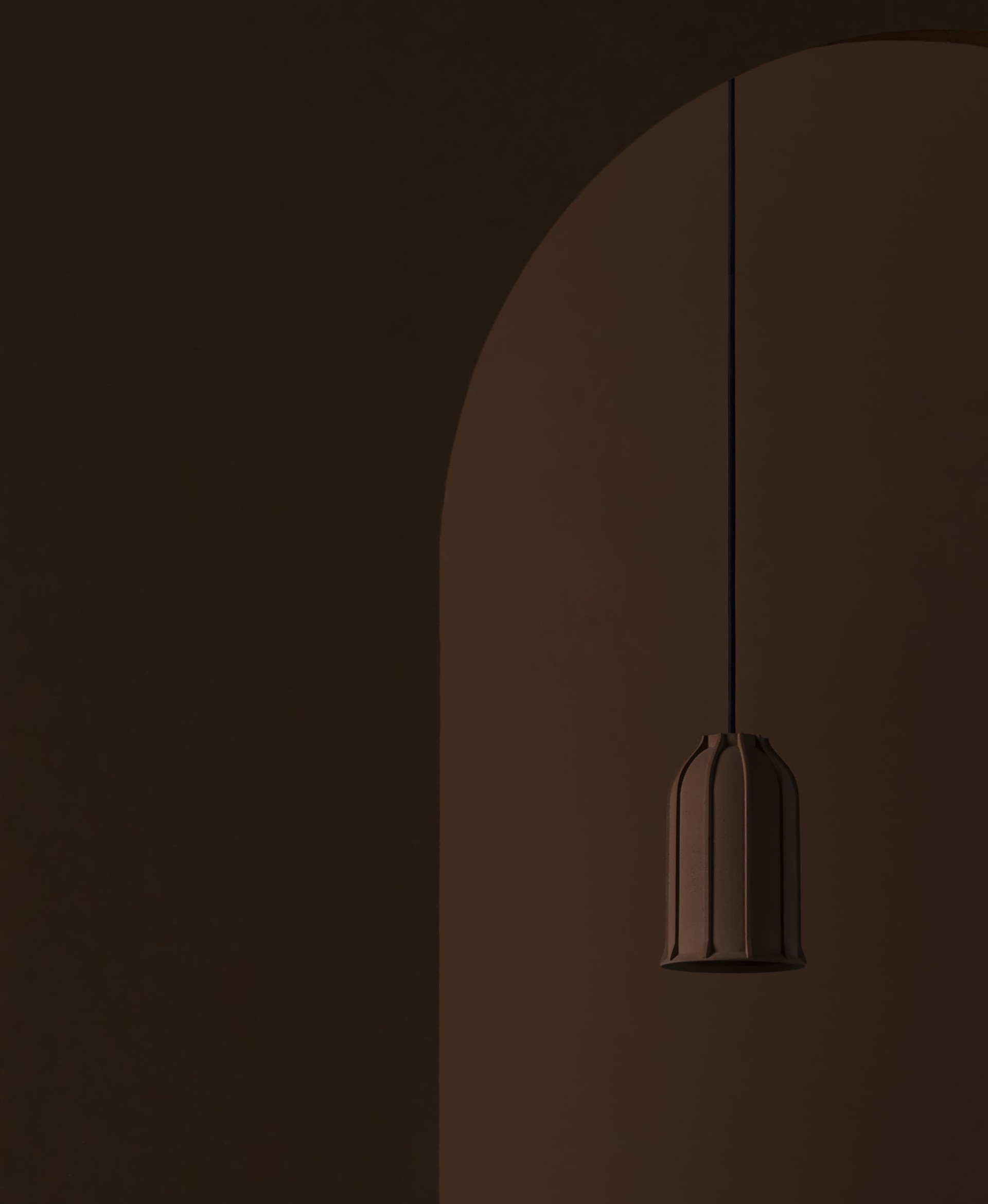
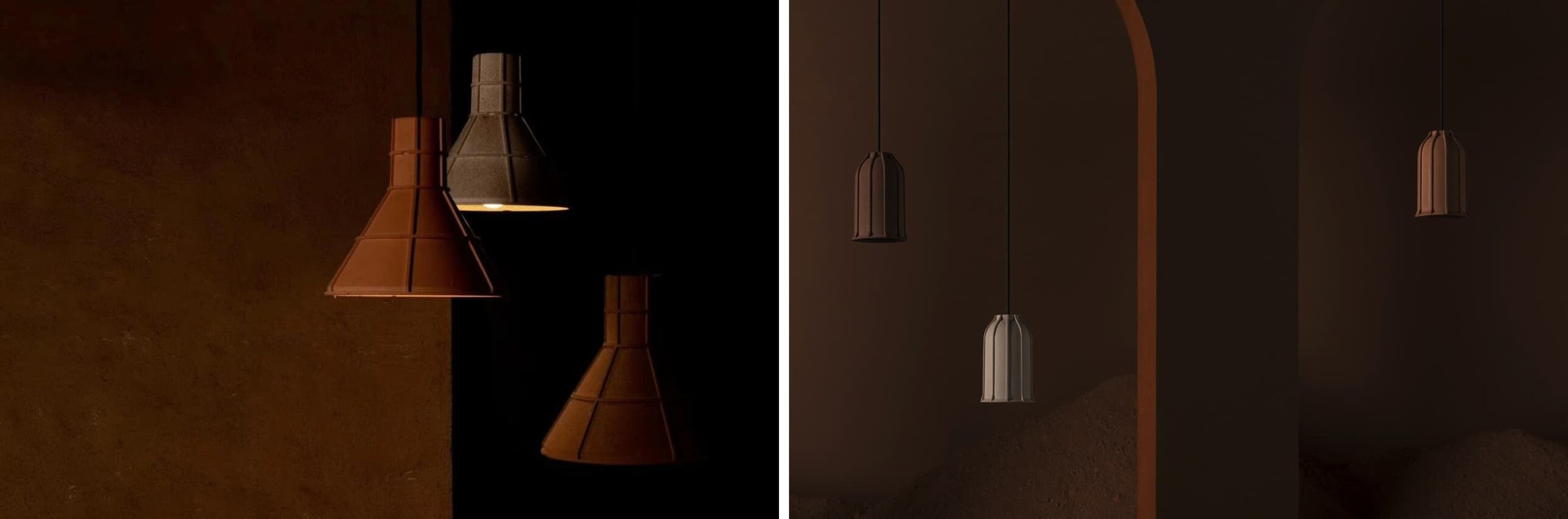
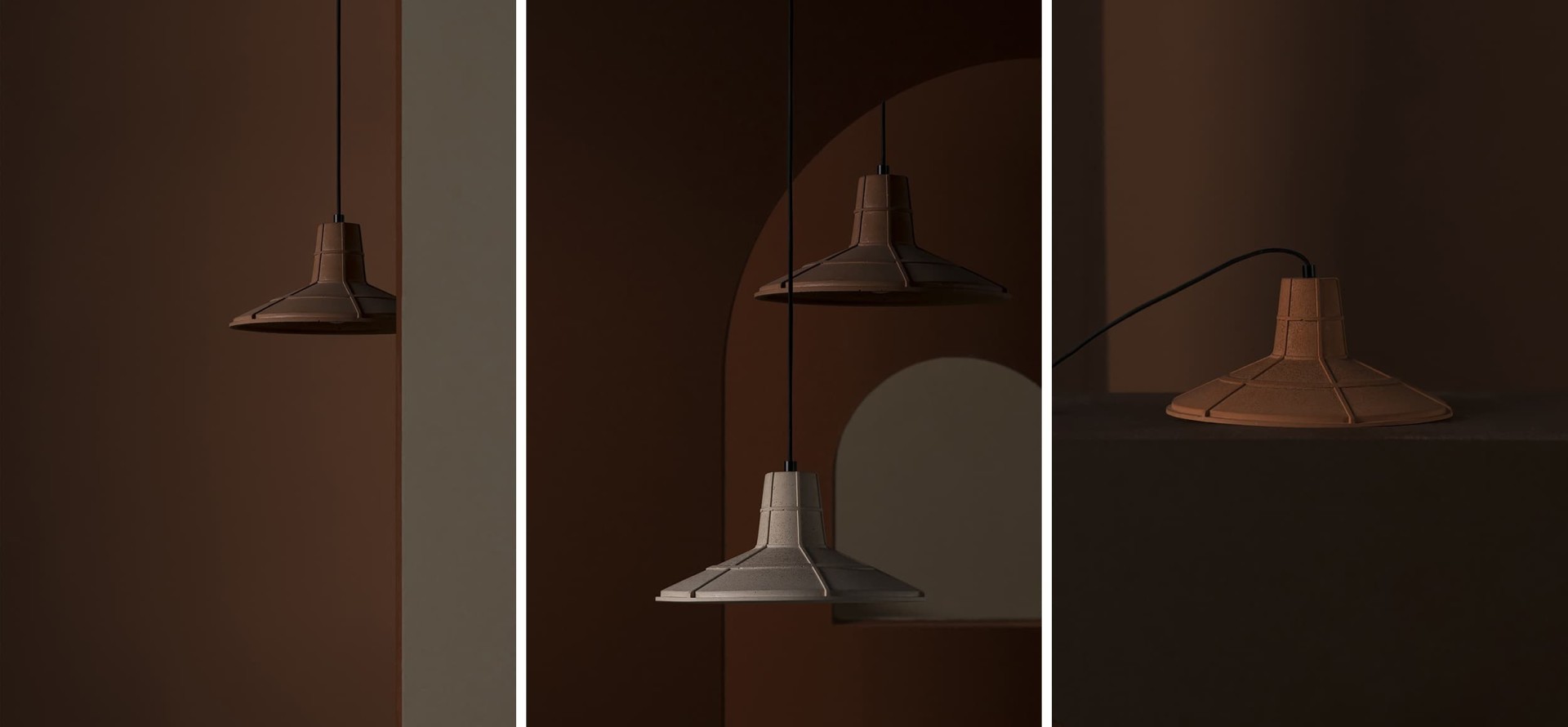
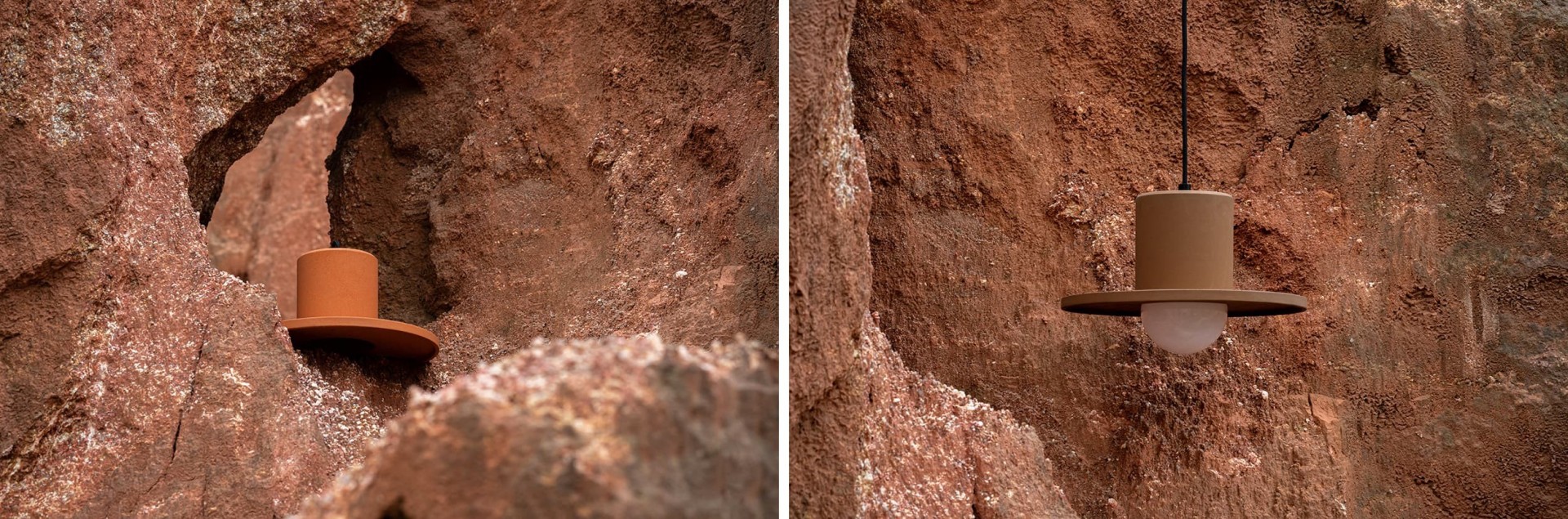
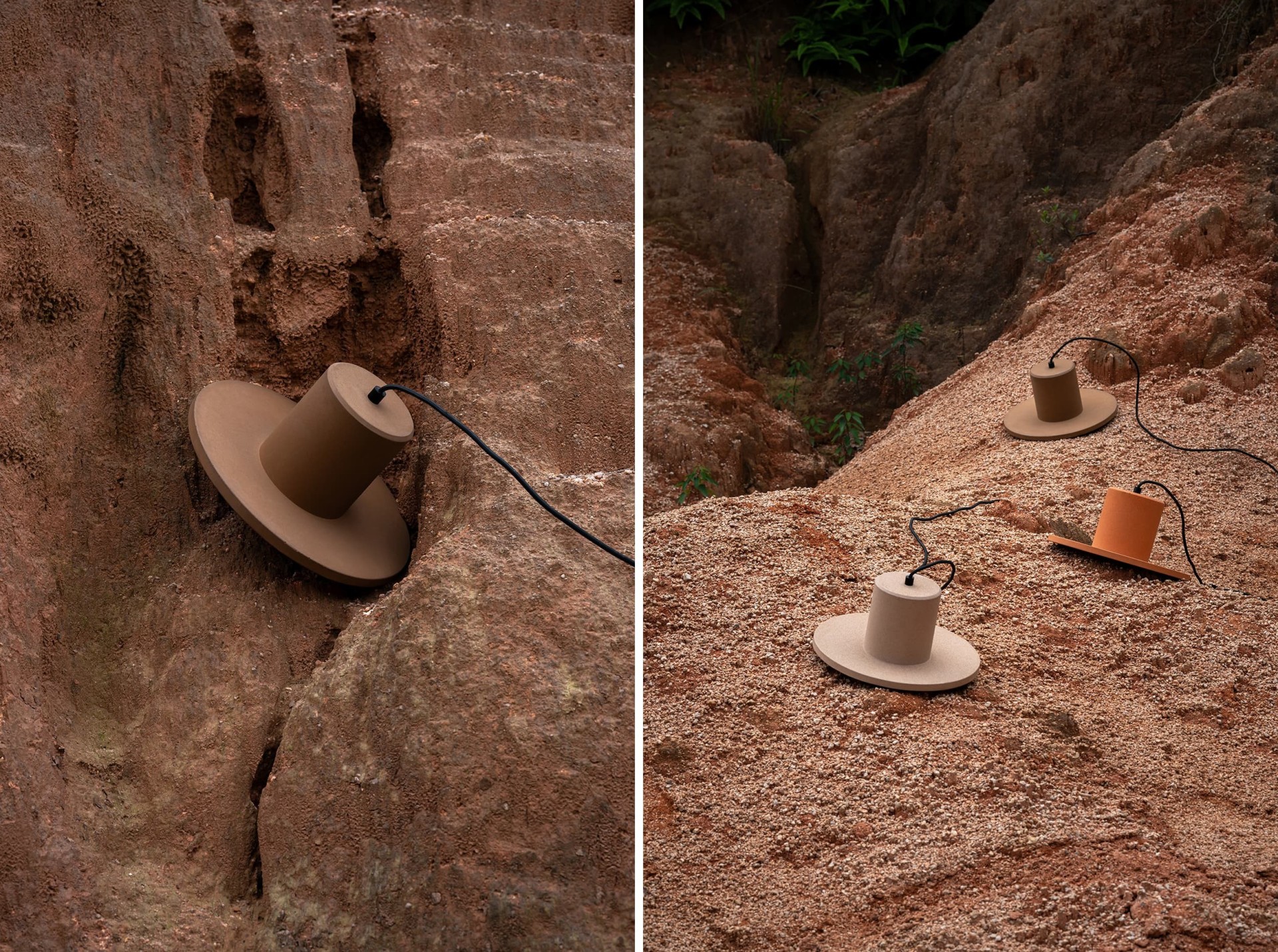
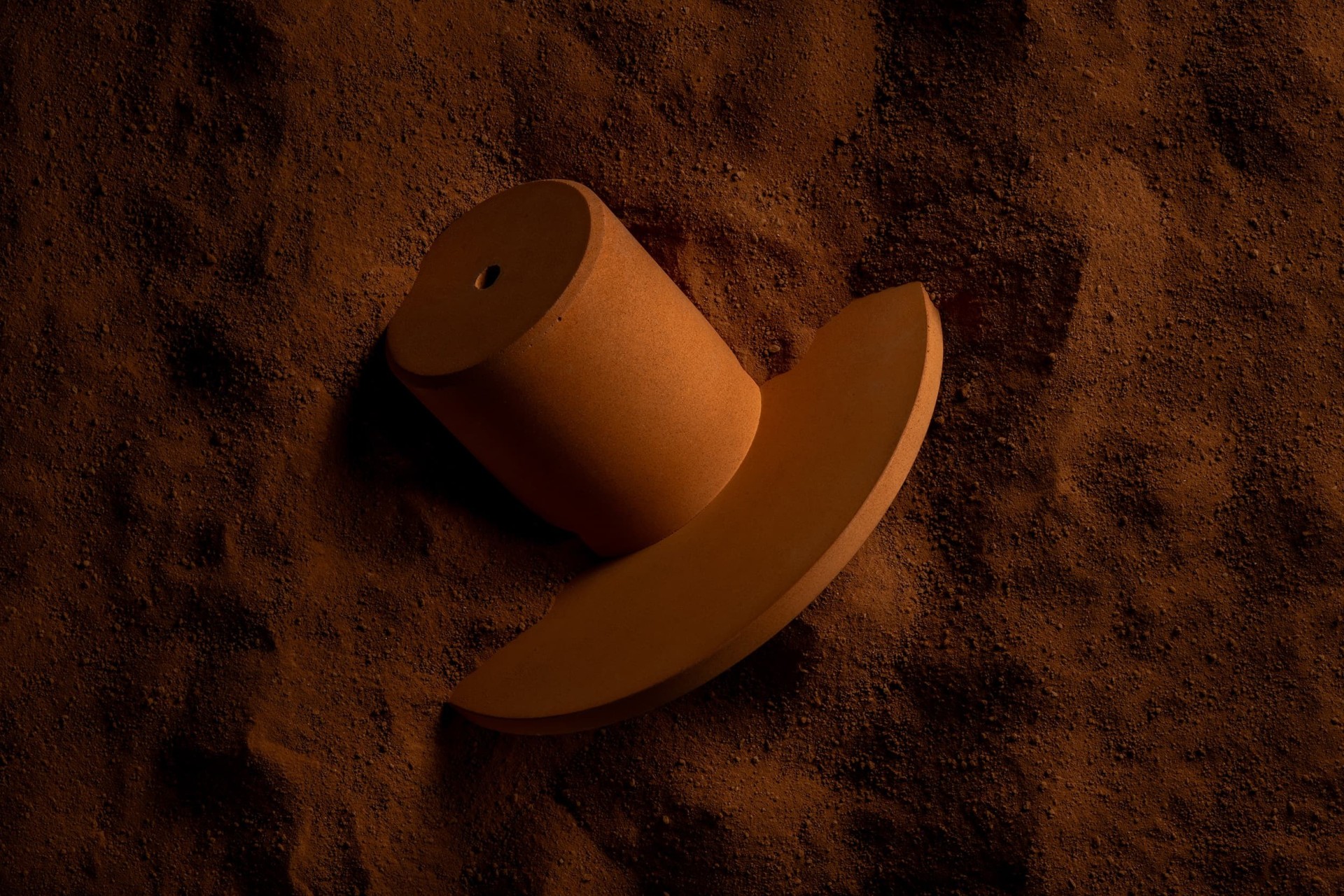
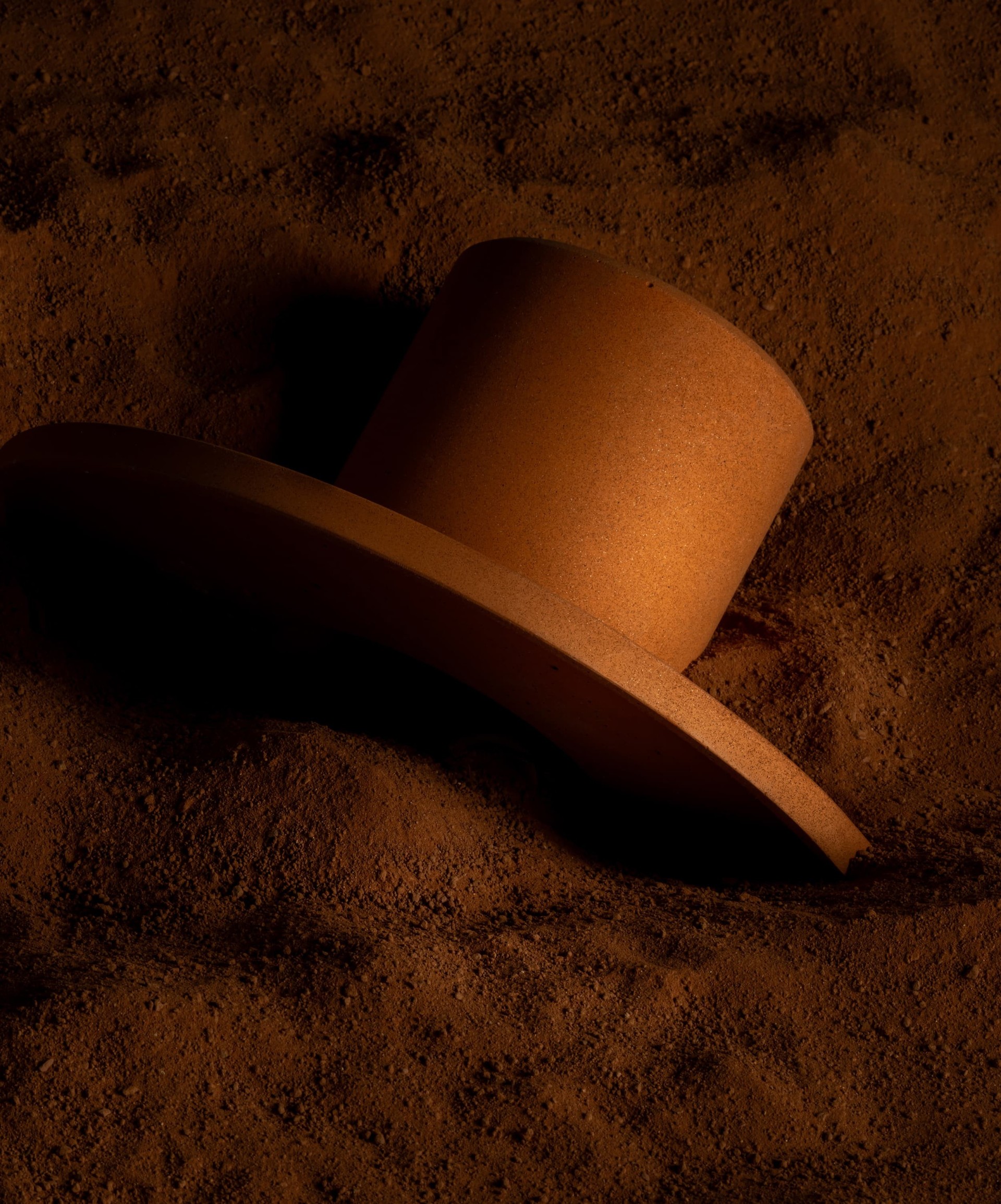
We began collecting discarded earth-based material and exploring its potential as a material for contemporary products. We relied on the earth’s own binding properties, added plant fibres to improve toughness, and used compression moulding to form the material into shape.
This approach had a connection to the mud bricks I remembered from childhood. Those memories became the starting point for my exploration of products made from unfired earth.
In the past, earth and straw were used to build homes, with the material’s properties shaped around the needs of everyday living. Contemporary products, by contrast, demand more defined forms and performance requirements. The real challenge is to retain the character of earth while adapting it to new uses.
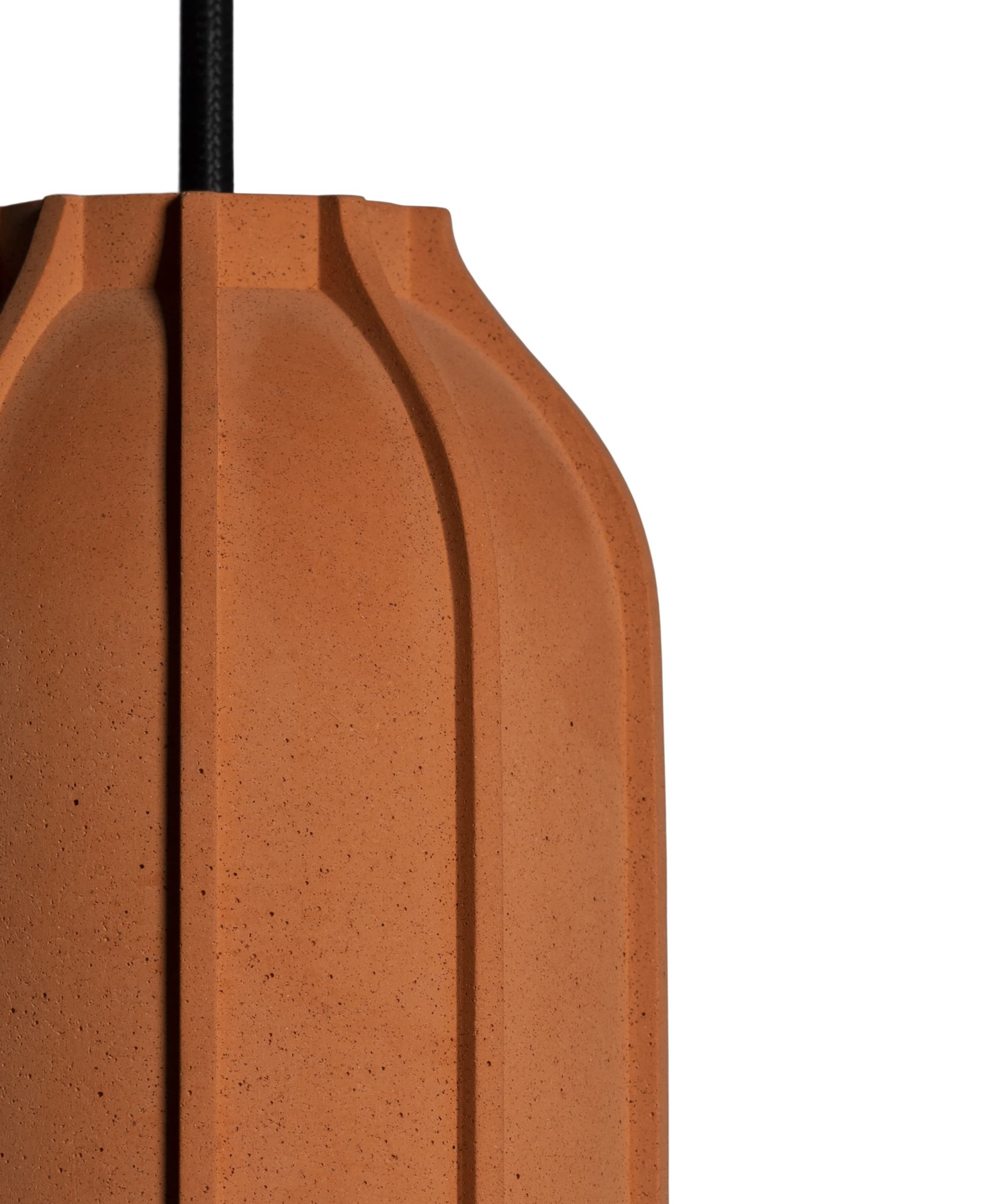
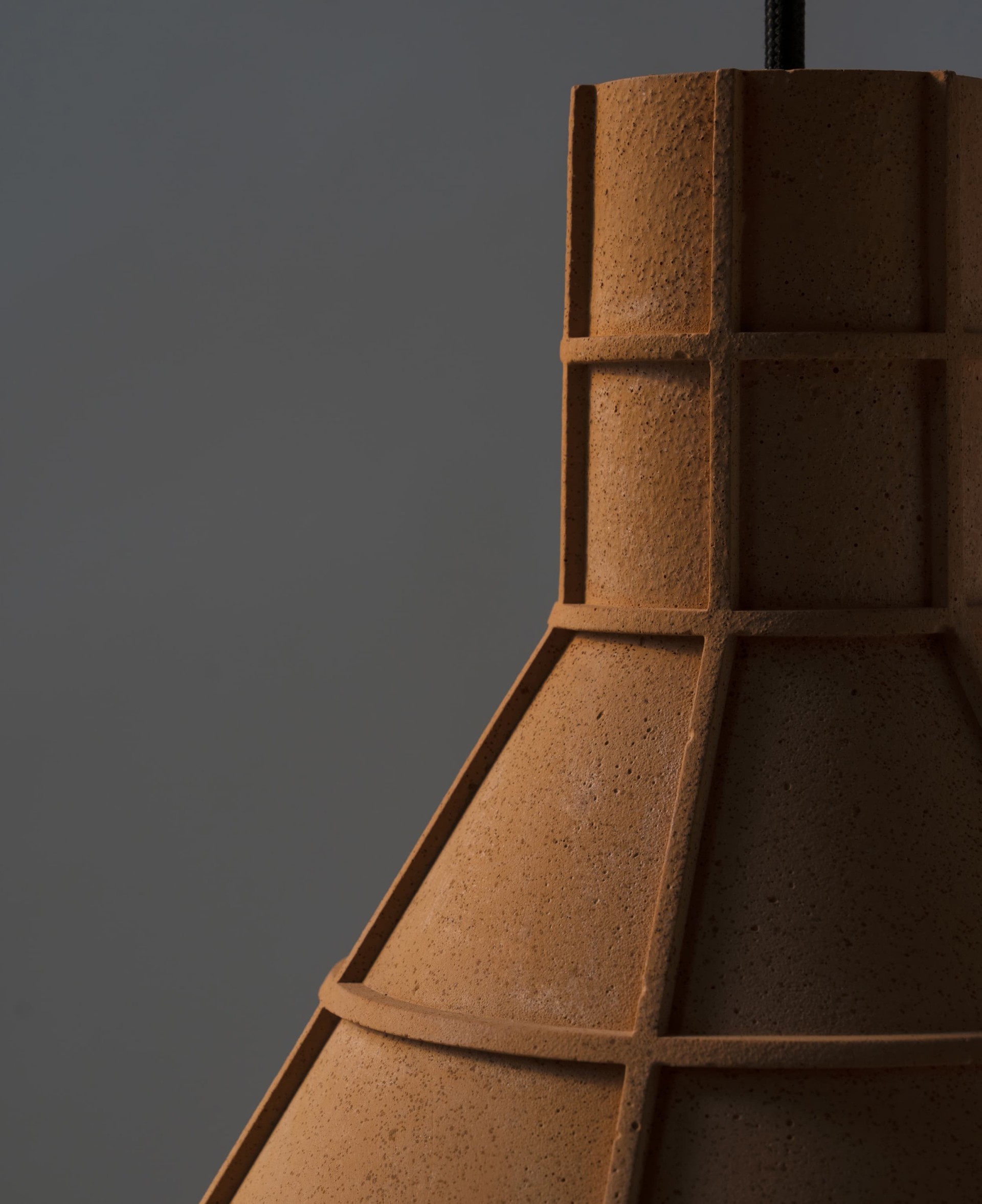
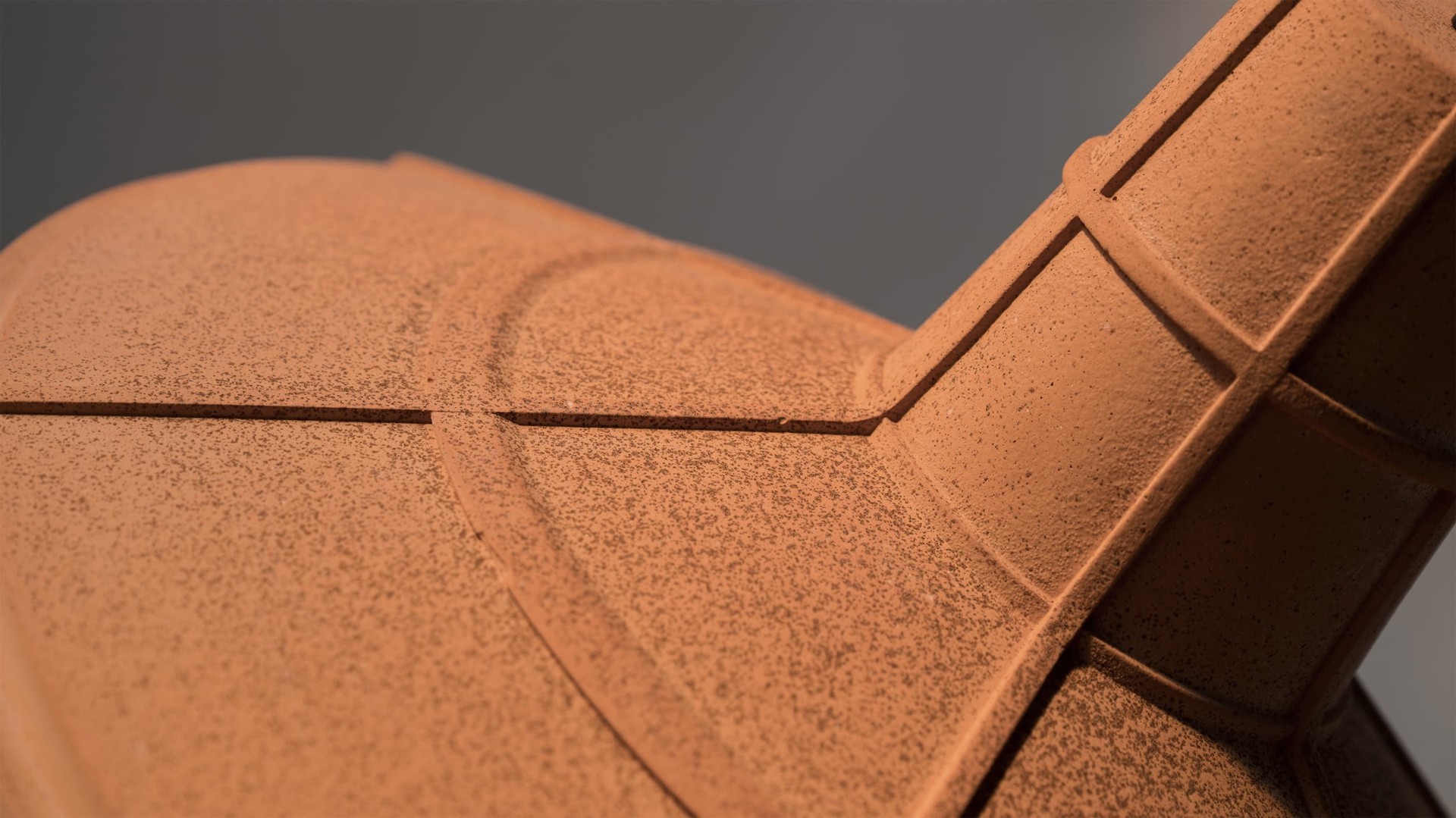
We have no intention of processing earth into something polished and refined at the expense of what makes it distinctive. Its roughness, subtle variations in grain and the textures left behind after forming all deserve to be preserved. Differences between batches, the distribution of fibres and variations in the forming process can all affect the finished surface. These are not flaws to be eliminated automatically, but visible traces of the material’s role in shaping the object.
Design should not erase a material’s inherent character. We first need to understand what it can and cannot do, and only then decide how to use it.
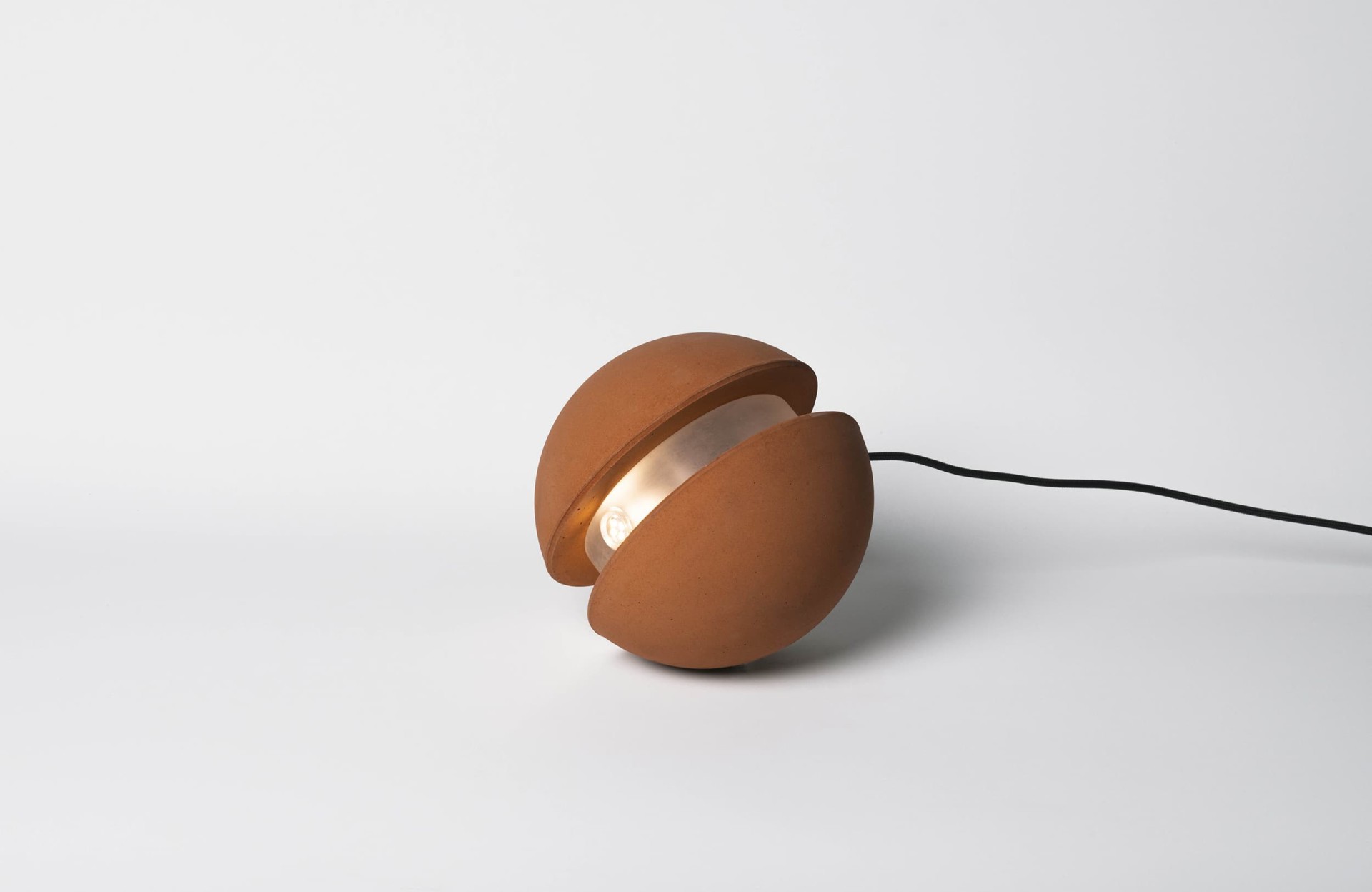
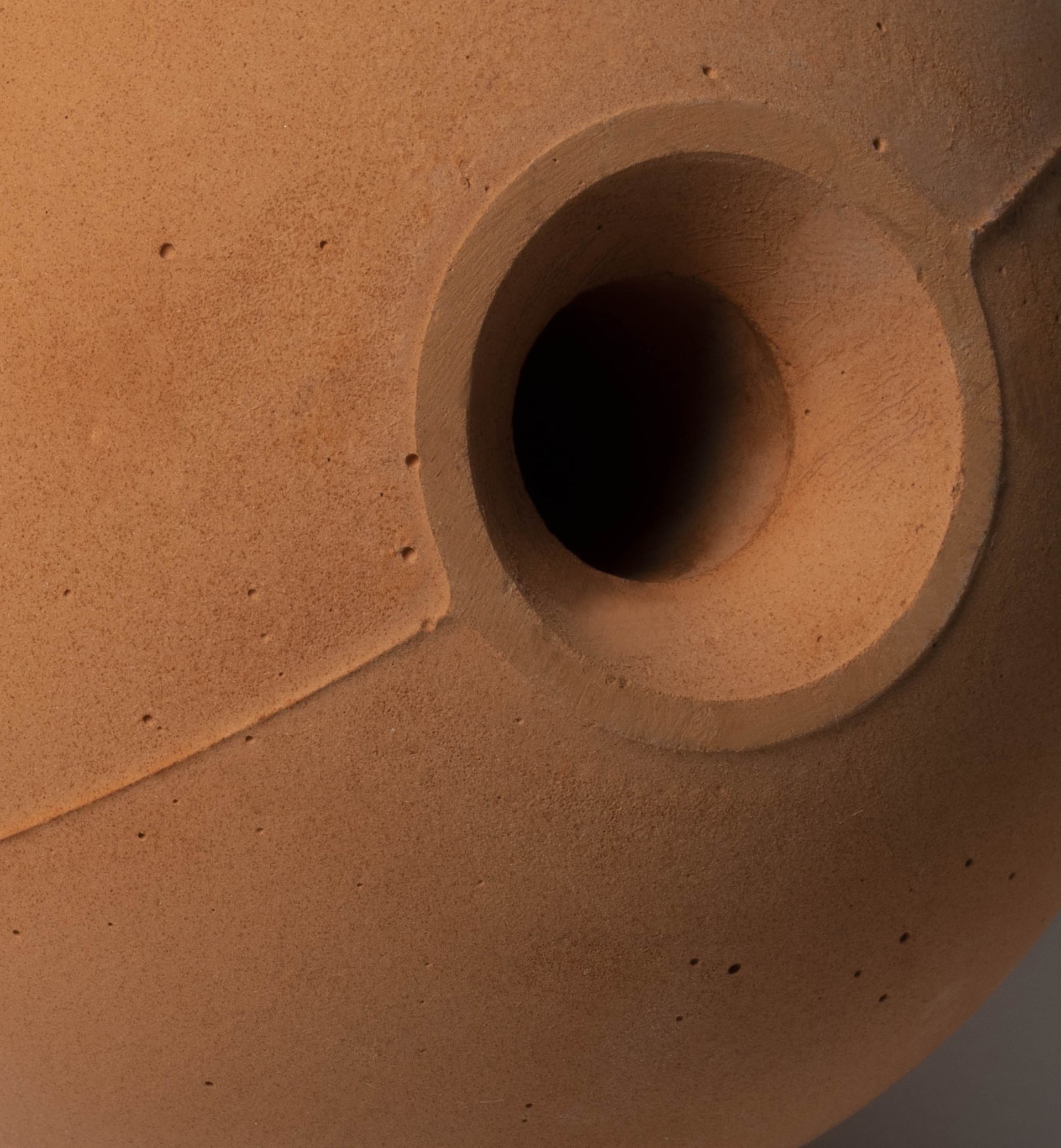
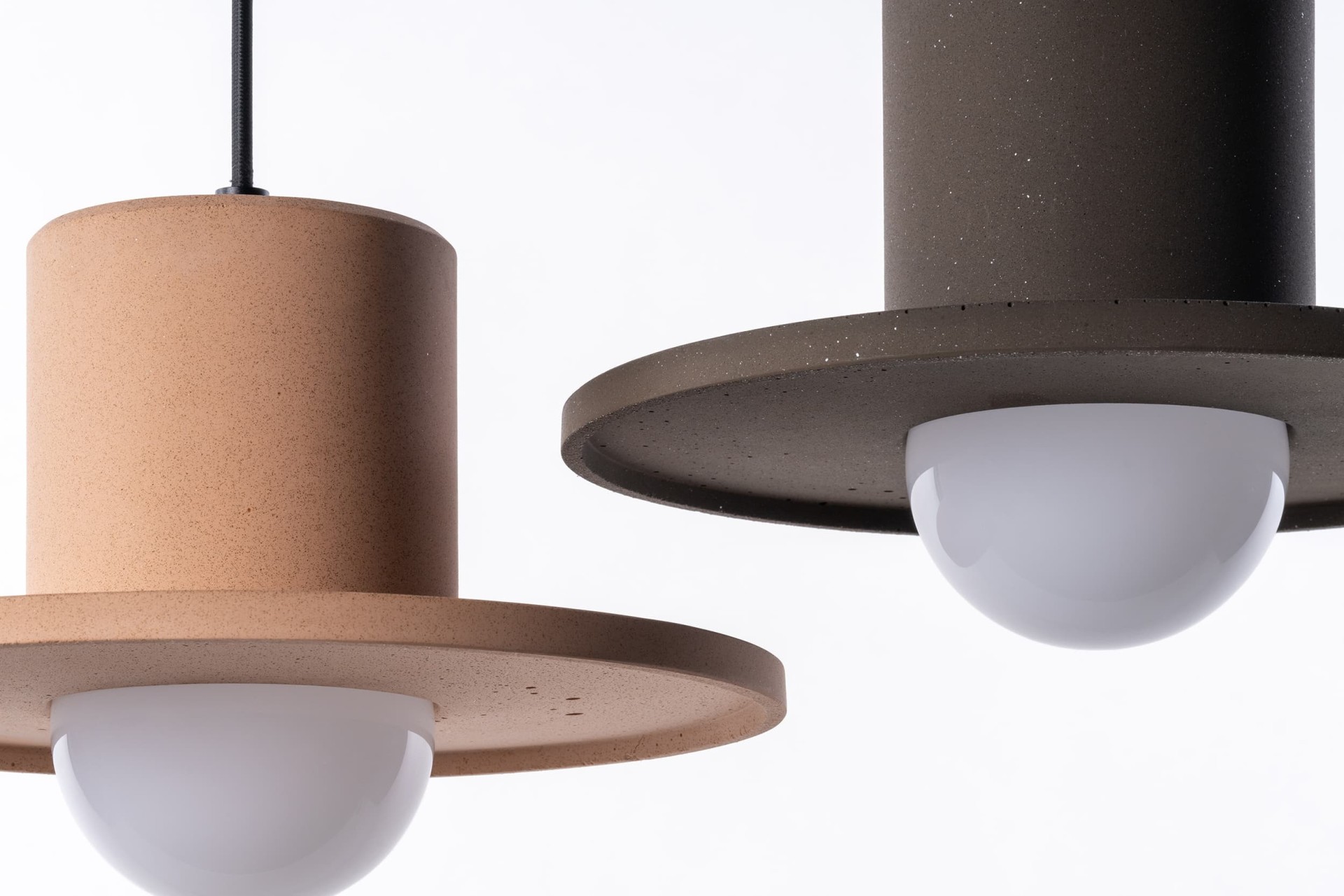

Forming products from unfired earth offers one possible way to reduce energy consumption during production. Using discarded earth as a raw material also gives something previously destined to be thrown away another chance to be used. We consider the material’s journey—from where it comes from and how it is processed to what happens to it after use—as part of the design problem. This, too, is a way of rethinking design.
It is easy to understand design as the creation of form: finding a style for a product, giving it a distinctive appearance, then making it work through function and detail. But when the material itself becomes the starting point for research, the work extends beyond these concerns. We have to look again at its entire life cycle.
Earth is so commonplace that it is easily overlooked. Yet it is precisely this ordinariness that keeps it so closely connected to everyday life. It has been the ground beneath our feet and the bricks in our walls; it can also become part of contemporary products. A material’s value is not determined solely by how rare it is or how complex it is to process. It also depends on whether we are willing to understand the environment in which it exists.
When I think back to the making of mud bricks in my childhood, I realise that the adults never described what they were doing as a design method. They simply worked out a way that suited the local soil, the straw available to them, the weather and the needs of building a home. Trampling earth with an ox, forming bricks in wooden moulds and leaving them to dry in the open—each step had a clear purpose rooted in everyday life.
Those practices were not perfect, nor can they directly solve the challenges of making products today. But they remind me that making has never been separate from its surroundings. Materials, tools, labour and living conditions all contribute to the final result.
Contemporary design has access to more advanced technologies and a far wider choice of materials. Yet this abundance can also make it easier to forget the relationships between them. When one material can be readily substituted for another and the form of a product can be changed endlessly, we may devote too much attention to inventing new appearances and too little to asking where a material comes from and where it will eventually go.
Working with unfired earth has brought me back to these fundamental questions. From mud bricks to contemporary products, what changes is not only the form of the material, but also the way we understand it.
Perhaps design does not always mean adding something new. Sometimes, it begins with looking again at what is already there: understanding where it comes from, respecting its nature and giving serious thought to where it will end up.
— Product development: 2017–2019