NONGZAO Practice • The Seed Project
Rediscovering Local Agriculture Through a Single Seed
Original Text | Xu Gang • NONGZAO Field Notes
Why Does a Seed Disappear?
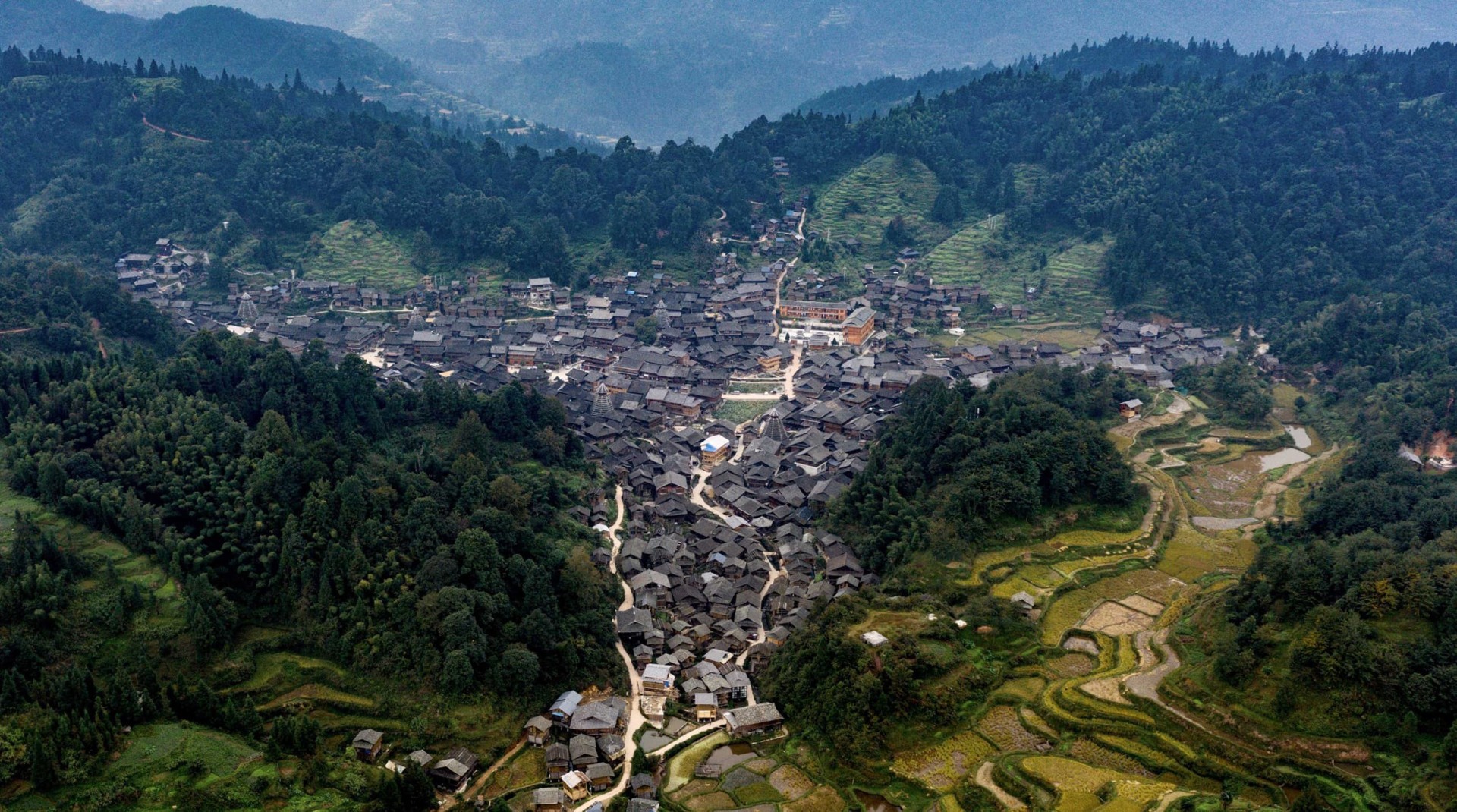
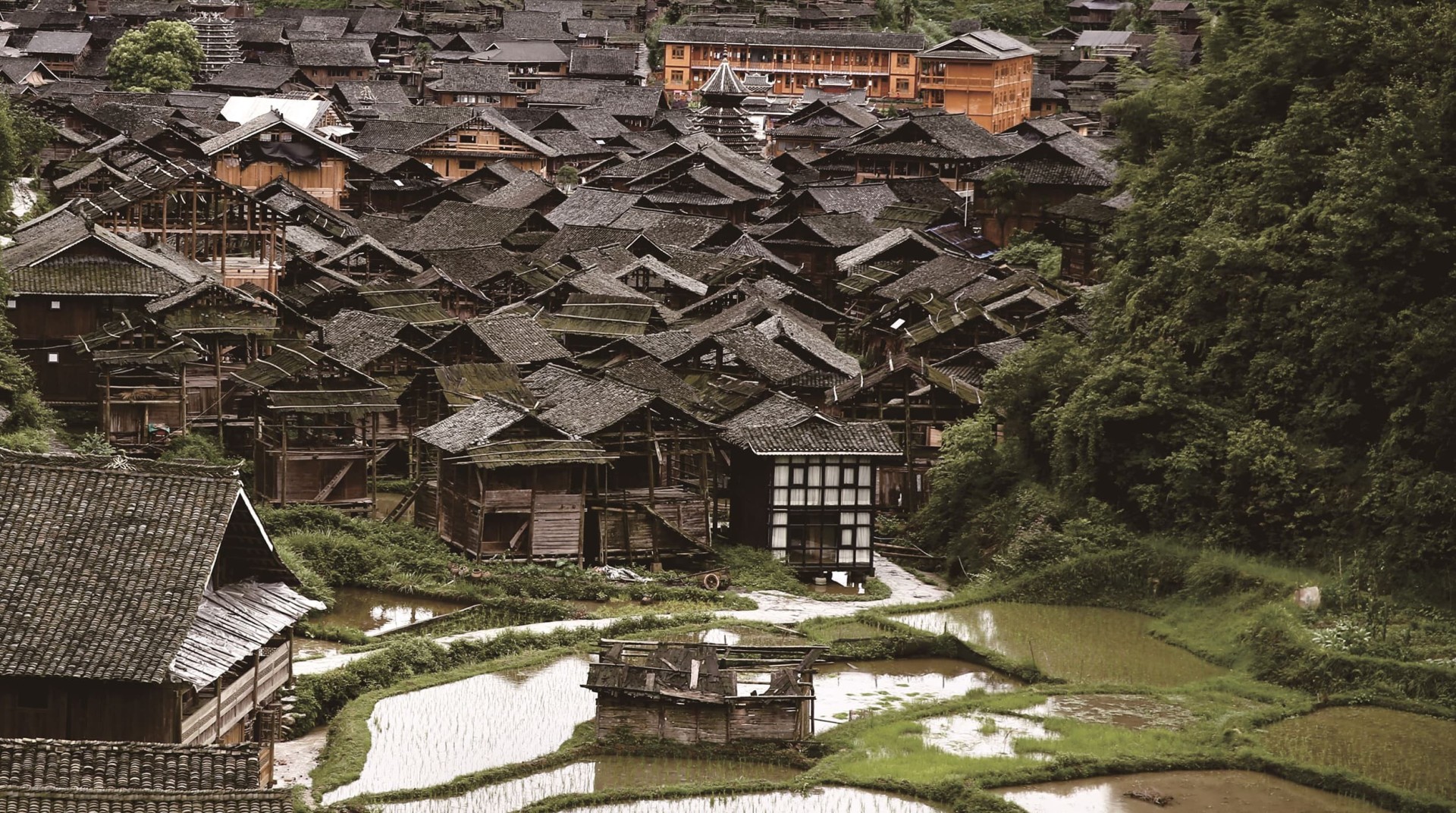
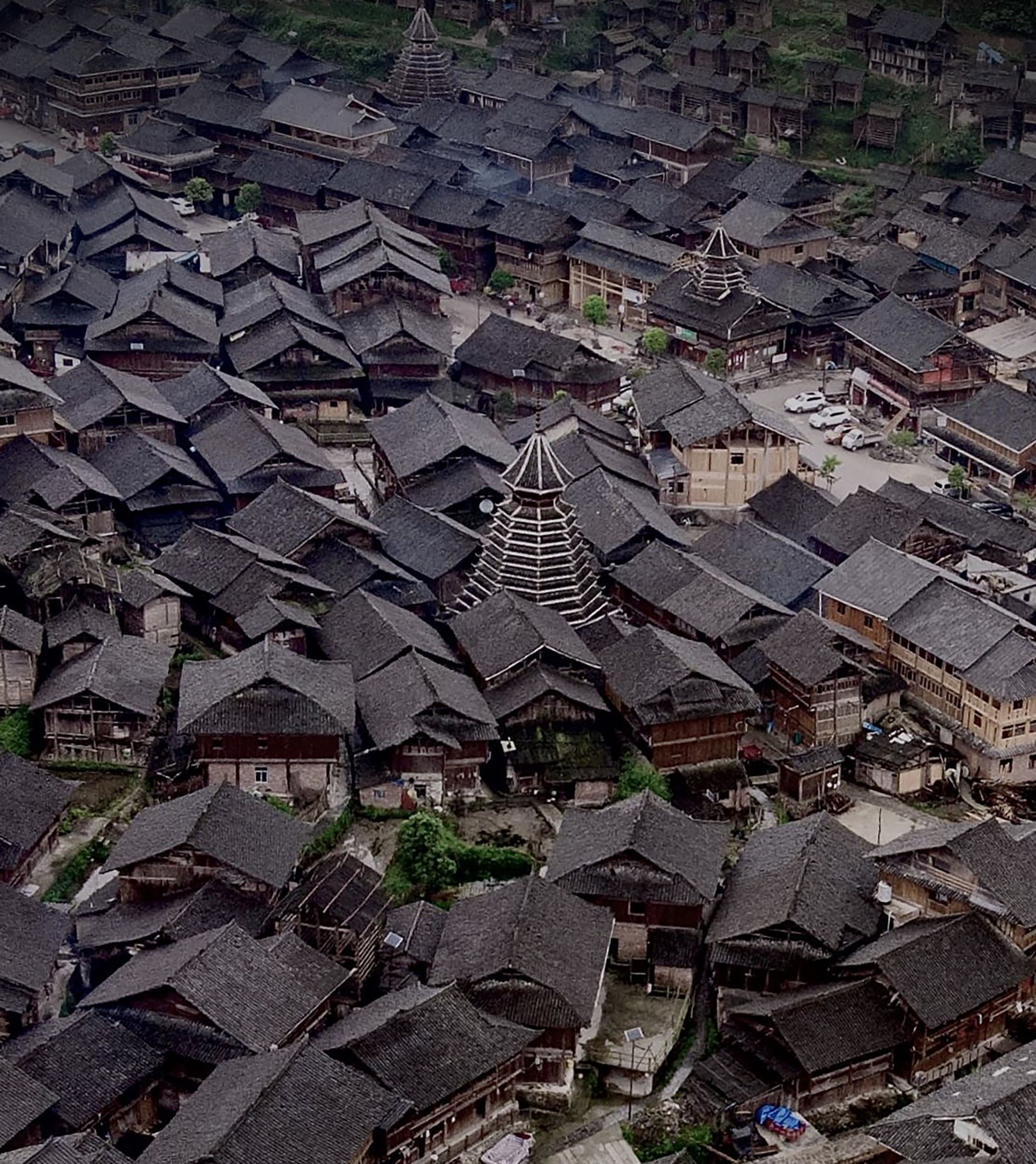
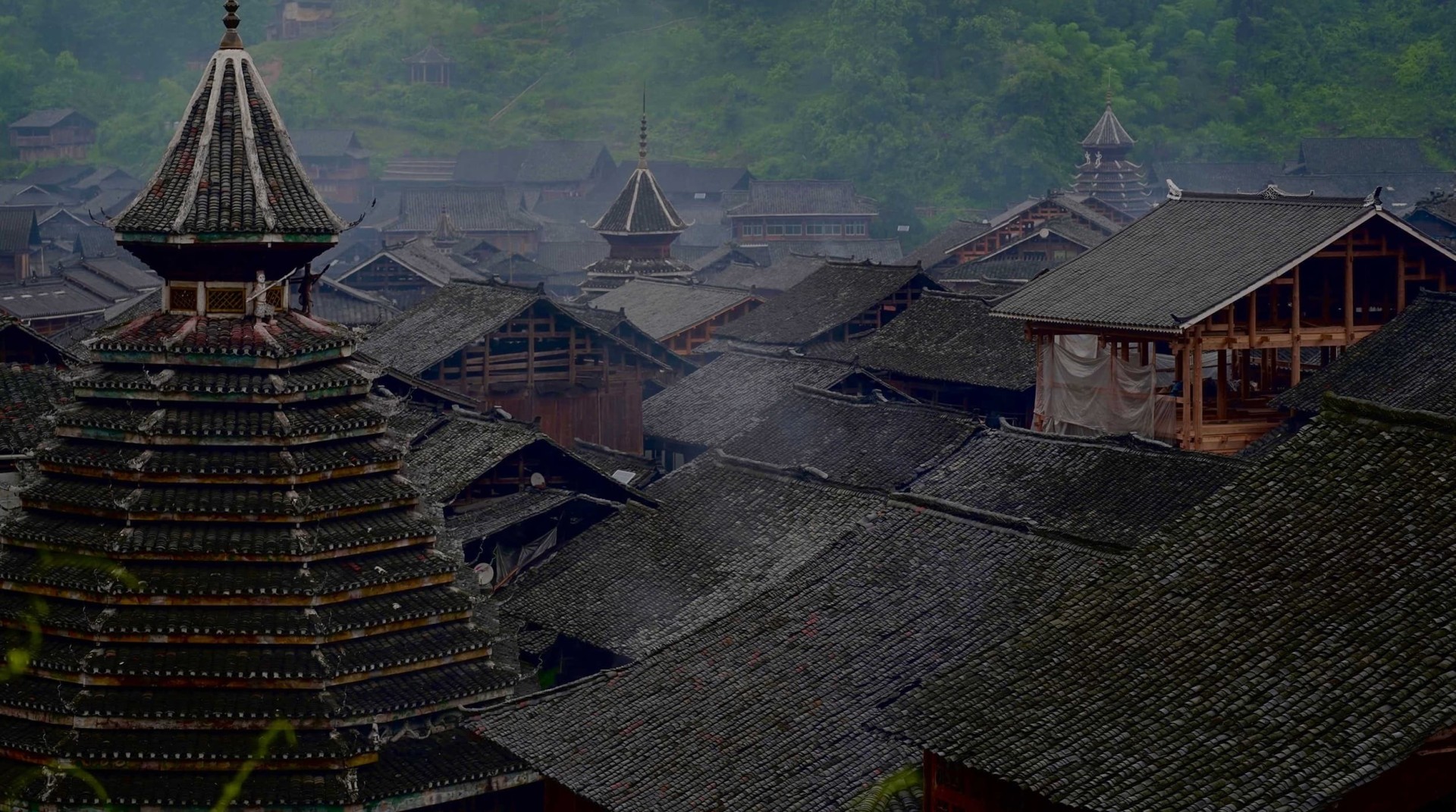
In April 2019, we launched the NONGZAO Practice · Seed Project in Huanggang, a Dong village in Liping County, Qiandongnan, Guizhou, China. The project set out to find and revive local varieties of fragrant glutinous rice that had disappeared or were at risk of being lost.
One variety, known as Gouyangdang, was among the first we sought to recover.
In Huanggang, people remembered a time when Gouyangdang was grown by almost every household, with families saving seed from one harvest to the next. It was celebrated for its fragrance, summed up in a local saying: When one family steams glutinous rice, the whole village is filled with its aroma. Its fragrance belonged not only to the rice itself, but also to the everyday life of the village. As cultivation practices changed, however, a variety once widely grown gradually disappeared from the fields.
Why does a seed disappear?
At first, we understood this as the loss of a local crop variety. As our fieldwork progressed, we began to see that the disappearance of a seed was not simply a biological matter. It could also be connected to changes in cropping patterns, farmers’ decisions about yield and income, and the ways seeds were passed between households and villages.
When a variety is no longer cultivated, what disappears is more than its genetic characteristics. The cultivation knowledge associated with it, its relationship with the local environment, and the memories people hold of it may all lose the opportunity to be passed on.
We began looking for Gouyangdang, hoping to discover whether it had survived elsewhere.

Tracing Seeds Through Human Memory
In the past, seeds did not circulate solely through markets. Farmers saved their own seed and exchanged it through relationships between villages. Seeds travelled with migration, marriage, festivals and everyday encounters, taking root in different places along the way.
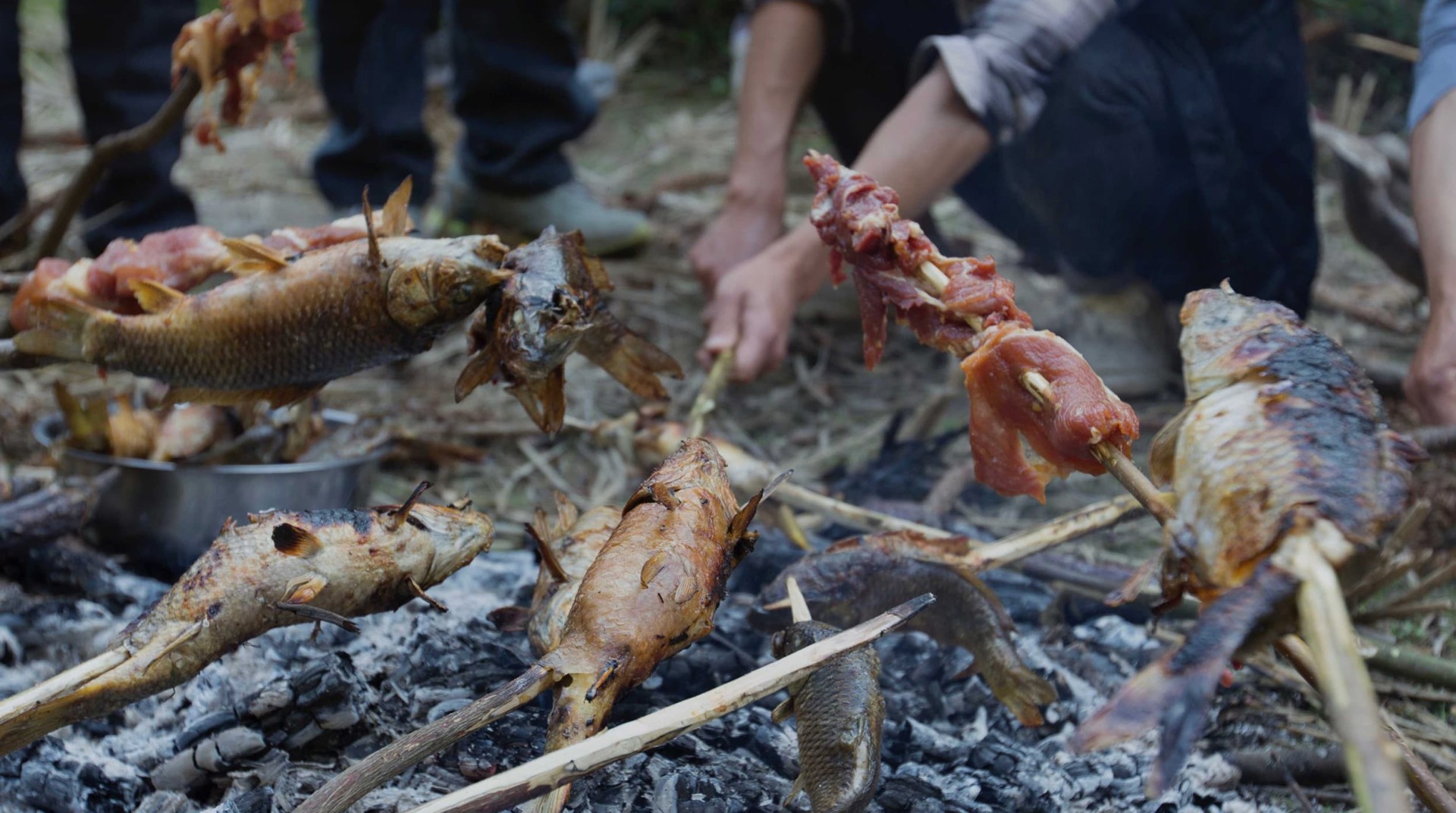
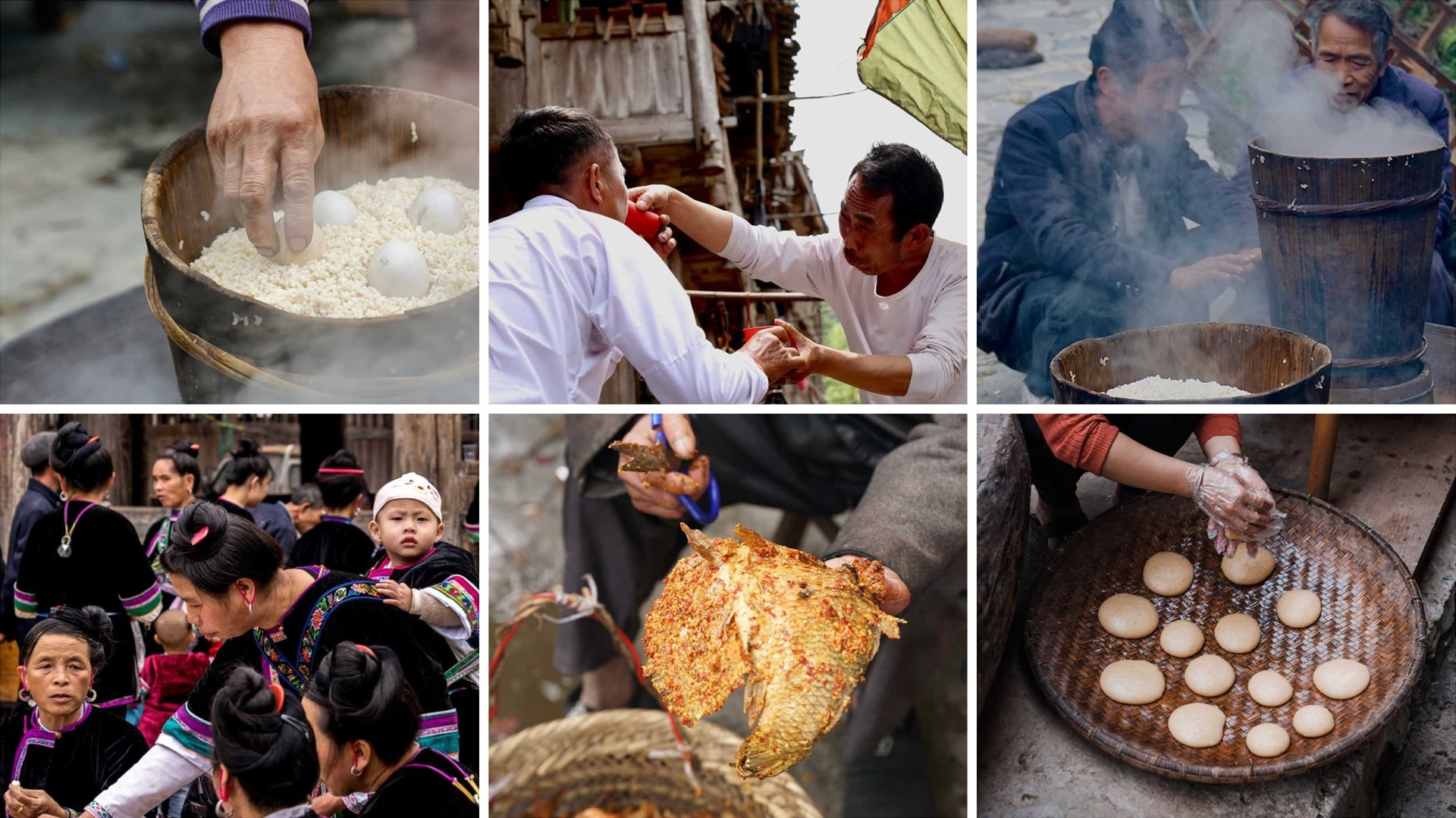
Huanggang has a traditional form of inter‑village exchange known as Chixiangsi. Through festivals, shared meals and the exchange of gifts, including grain, people maintained relationships between communities. Rice was not simply food; it was also part of the social ties that connected people.
This tradition led us to pay closer attention to the relationships behind the movement of seeds. How did a seed travel from one place to another? What allowed it to be preserved, and how did it continue to grow in a different environment?
Following leads gathered during our fieldwork, we visited neighbouring villages in search of fragrant glutinous rice varieties that had survived locally.
On 21 April 2019, our team travelled to Zhanli Dong Village to look for seeds. Before setting out, we had contacted villagers through a friend and arranged to meet people willing to exchange seed. When we arrived, our hosts had already prepared a meal for us. The man who shared his seeds with us was Wu Laoxin. He had left school at a young age and spent more than twenty years working in Shanxi, Zhejiang and Guangdong before returning to his village to farm.
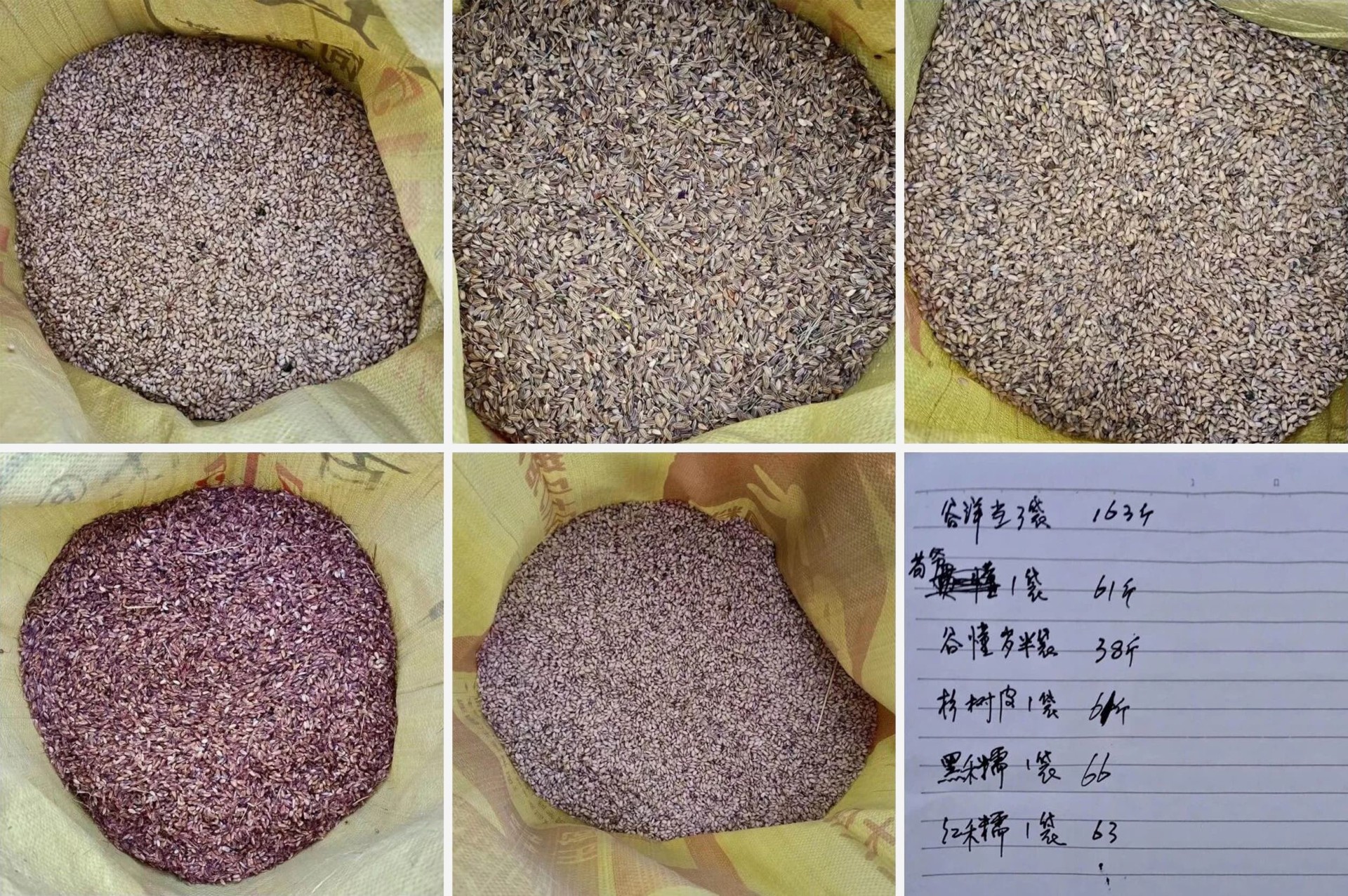
During this visit, we recovered seeds of Gouyangdang in Zhanli. The same field notebook also recorded another local variety of fragrant glutinous rice, known as Banpohe.
According to Wu Laoxin, the name Banpohe came from the terrain on which it was suited to grow: mid‑slope terrain. Zhanli lies at a lower elevation than Huanggang. In his view, this variety could grow on mid‑slope land in Zhanli, much as it might grow at the foot of the mountains in Huanggang. He did not know its formal varietal name.
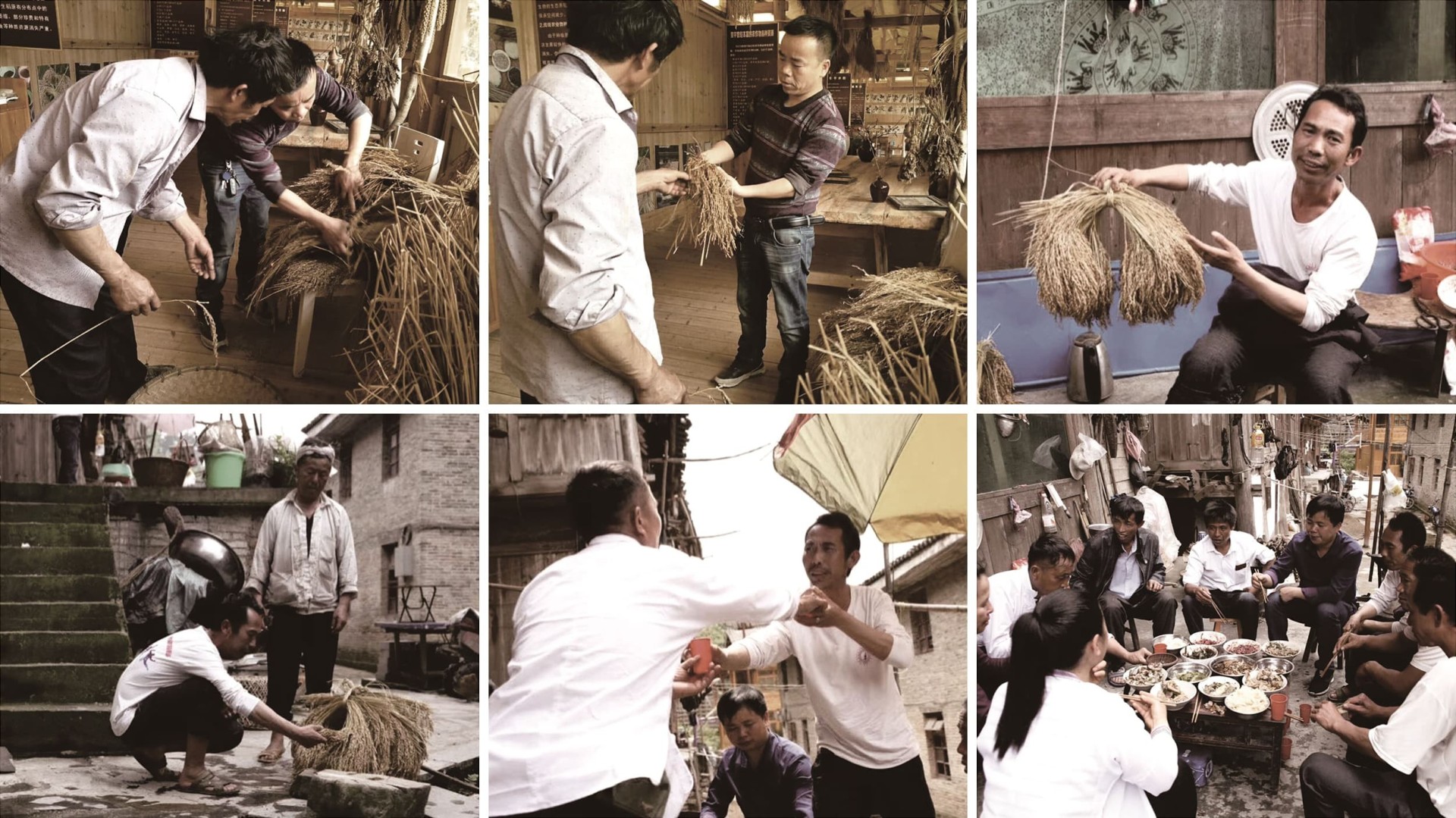
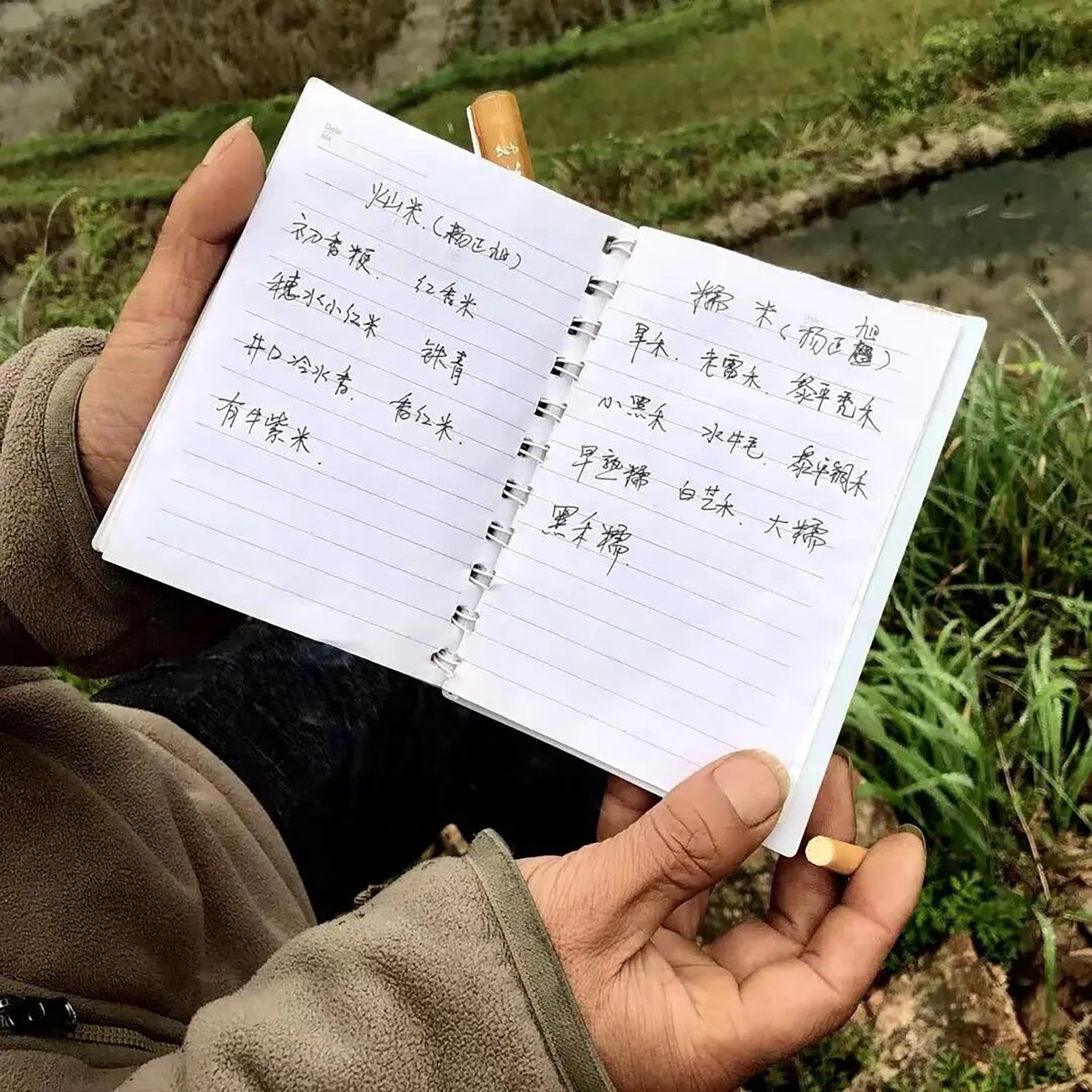
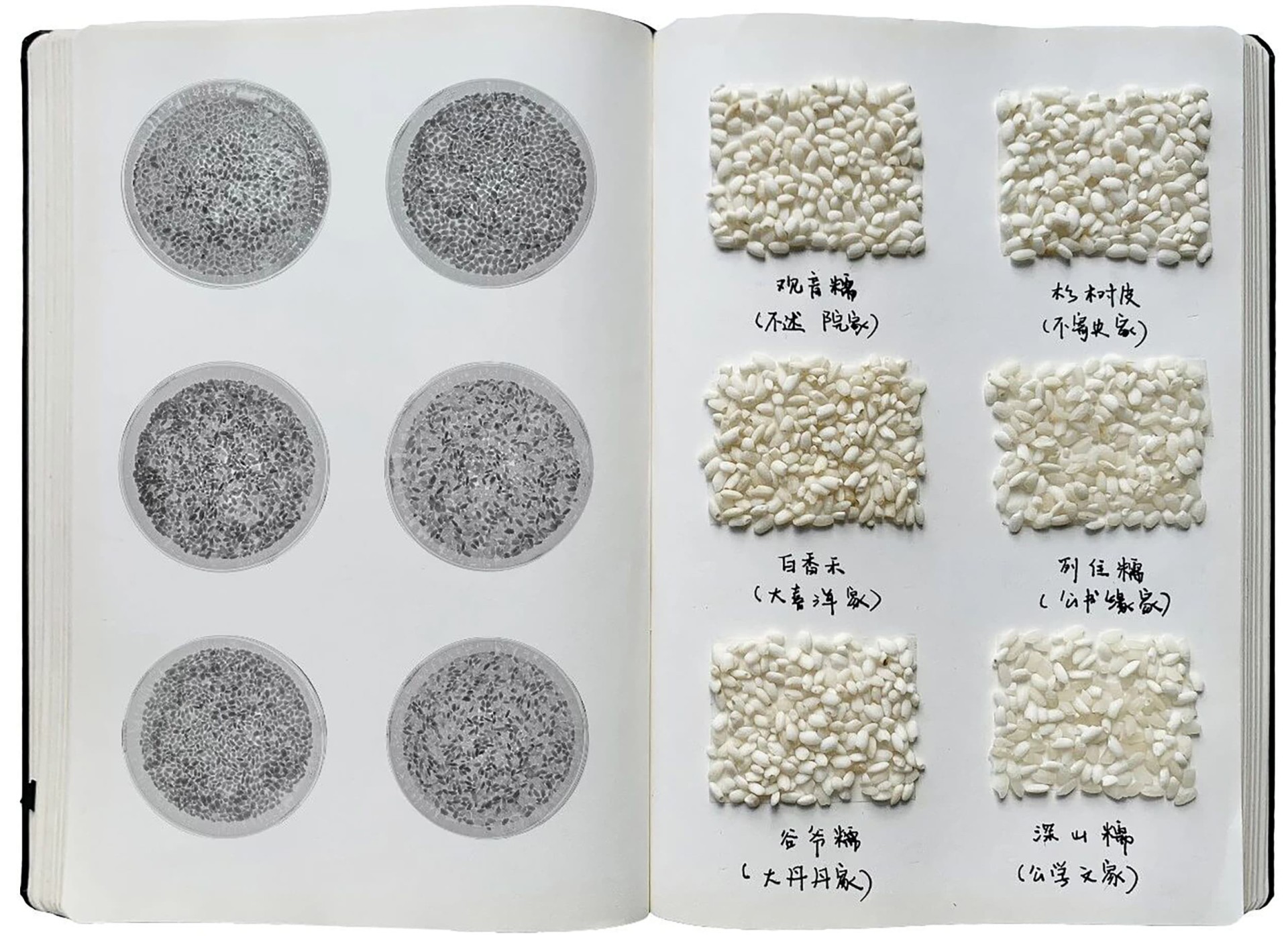
This detail drew our attention to how local agricultural knowledge is preserved. It does not always exist in written classifications or standardised nomenclature. A variety may be known by a name rooted in the local landscape, a cultivation method or an everyday observation. Understanding it requires listening to the people who grow it, then continuing to observe it in the field.
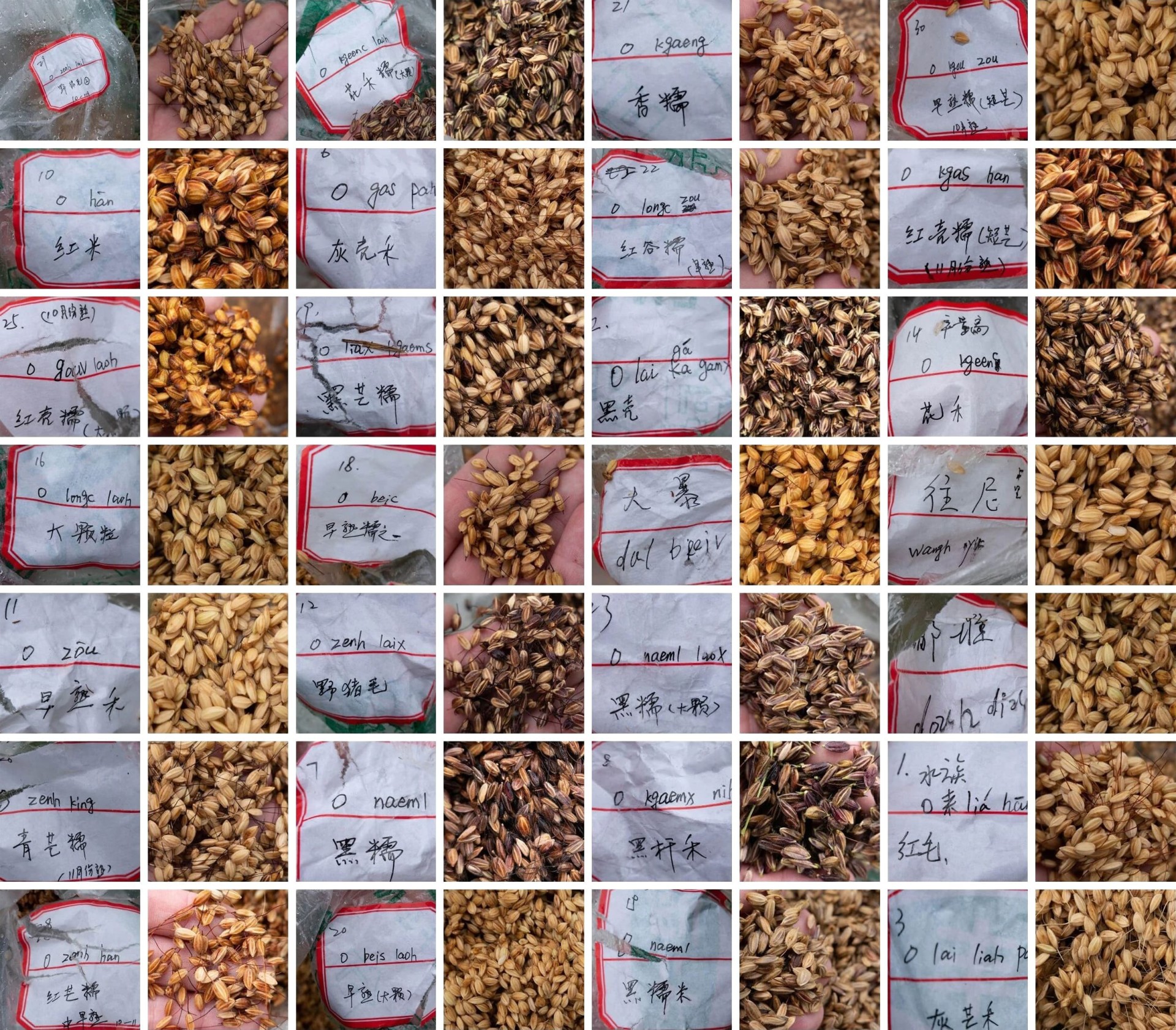
In places such as Libo, we also investigated and collected other varieties of fragrant glutinous rice. Seeds gathered from different locations would later enter the project's cultivation trials and observations.
Our search showed us that the survival of local varieties does not depend entirely on formal agricultural records. A seed may remain in a family's store, in the memory of a farmer, or in circulation through relationships between villages.
Chixiangsi offered a glimpse into the traditions through which local communities maintained their relationships, while the search itself helped us reconsider the connection between seeds and people. We cannot conclude from this tradition alone that Gouyangdang reached Zhanli through Chixiangsi. Yet the long‑standing exchanges between villages provide an important context for understanding how seeds may have travelled.
A seed is not merely an object waiting to be found. Searching for it also means tracing the families, relationships and ways of life that have allowed it to survive.
Returning Seeds to the Land
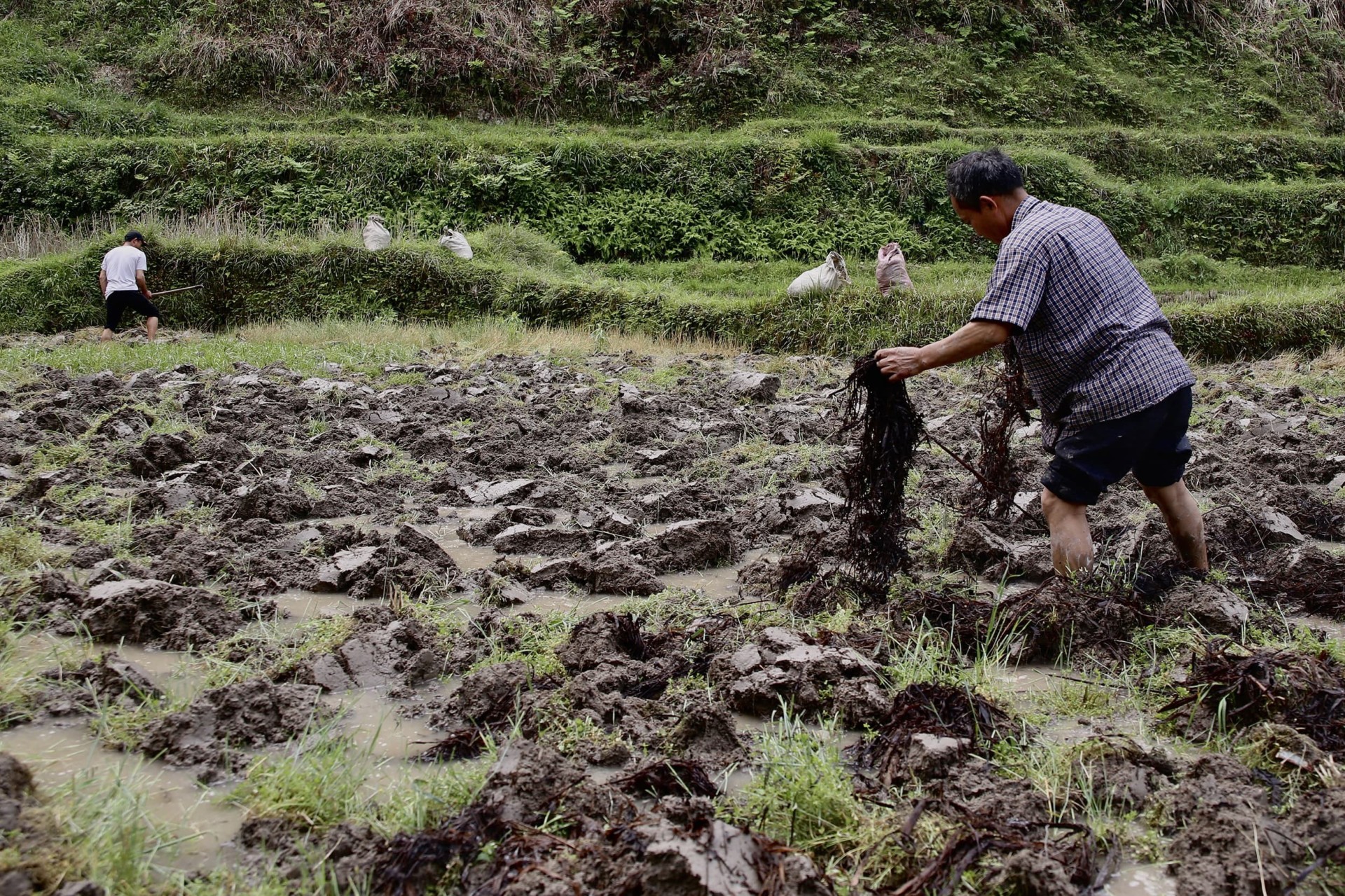
Recovering a seed was only the beginning. Whether it could germinate, adapt to the local environment and eventually be cultivated by farmers again could only be established by returning it to the land.
In 2019, Xu Gang and Wu Chenglong, a member of the Huanggang community, jointly initiated the seed cultivation and revival programme. Seven local farming households took part in the initial phase, growing fragrant glutinous rice in trial plots.
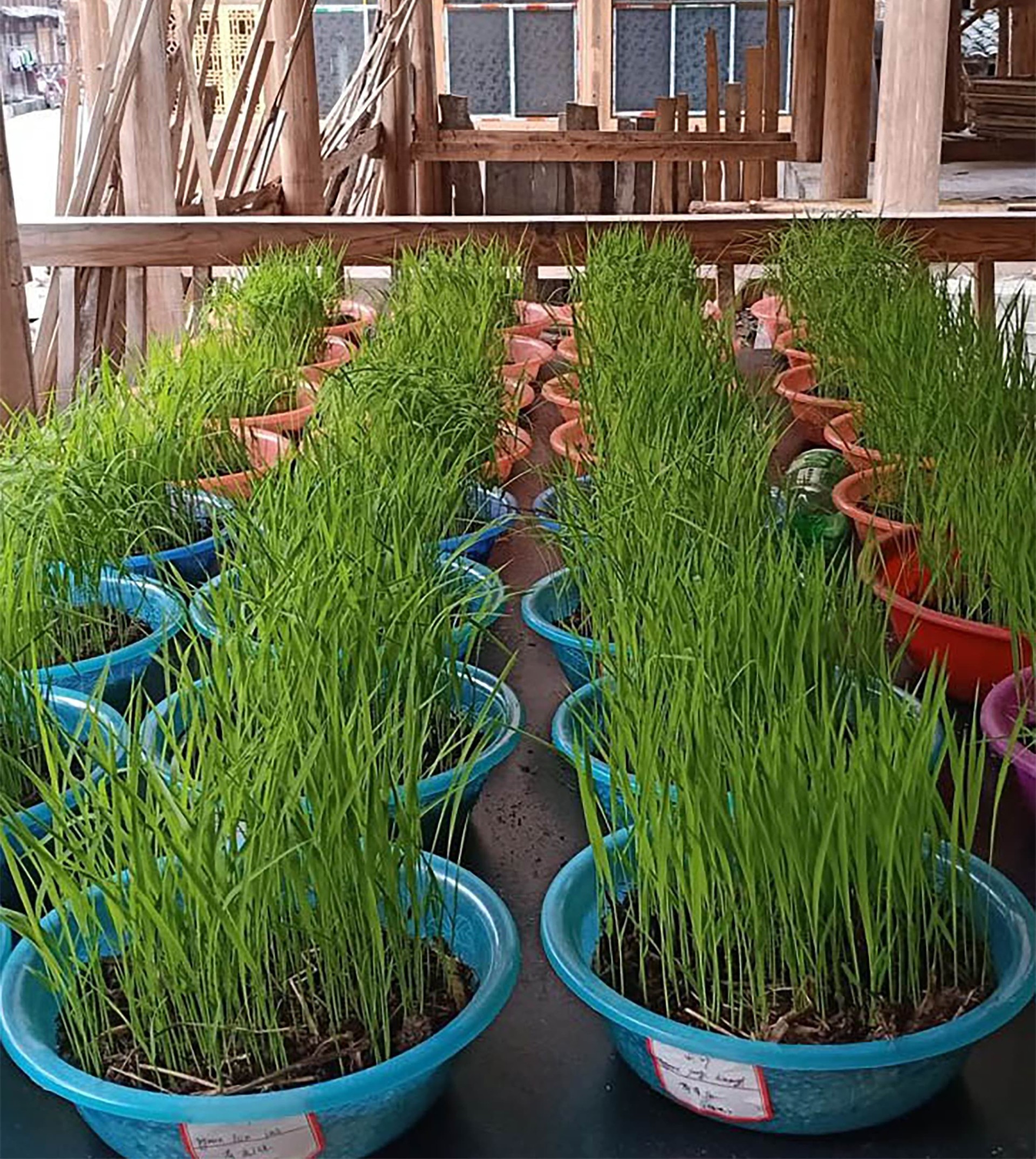
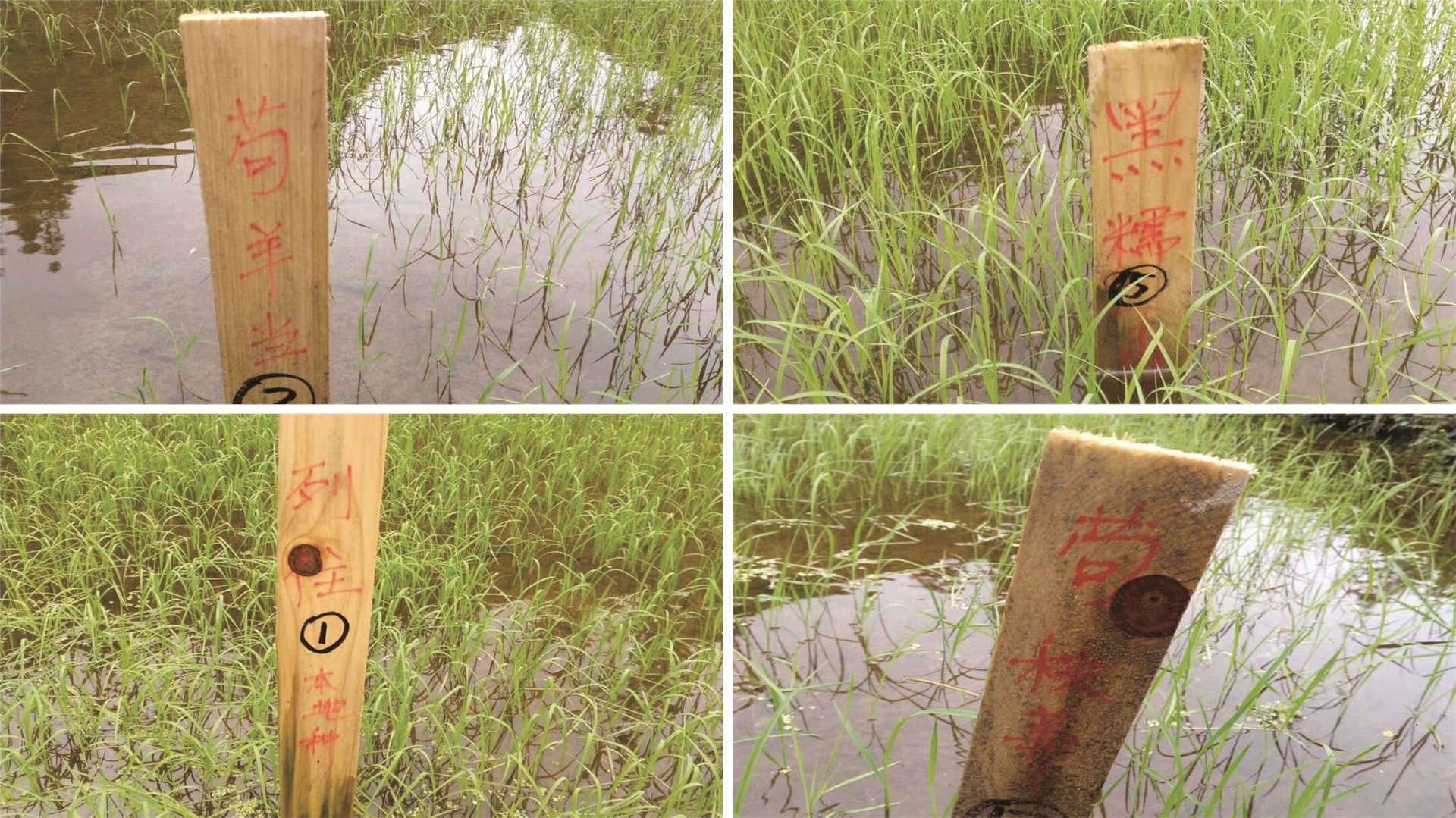
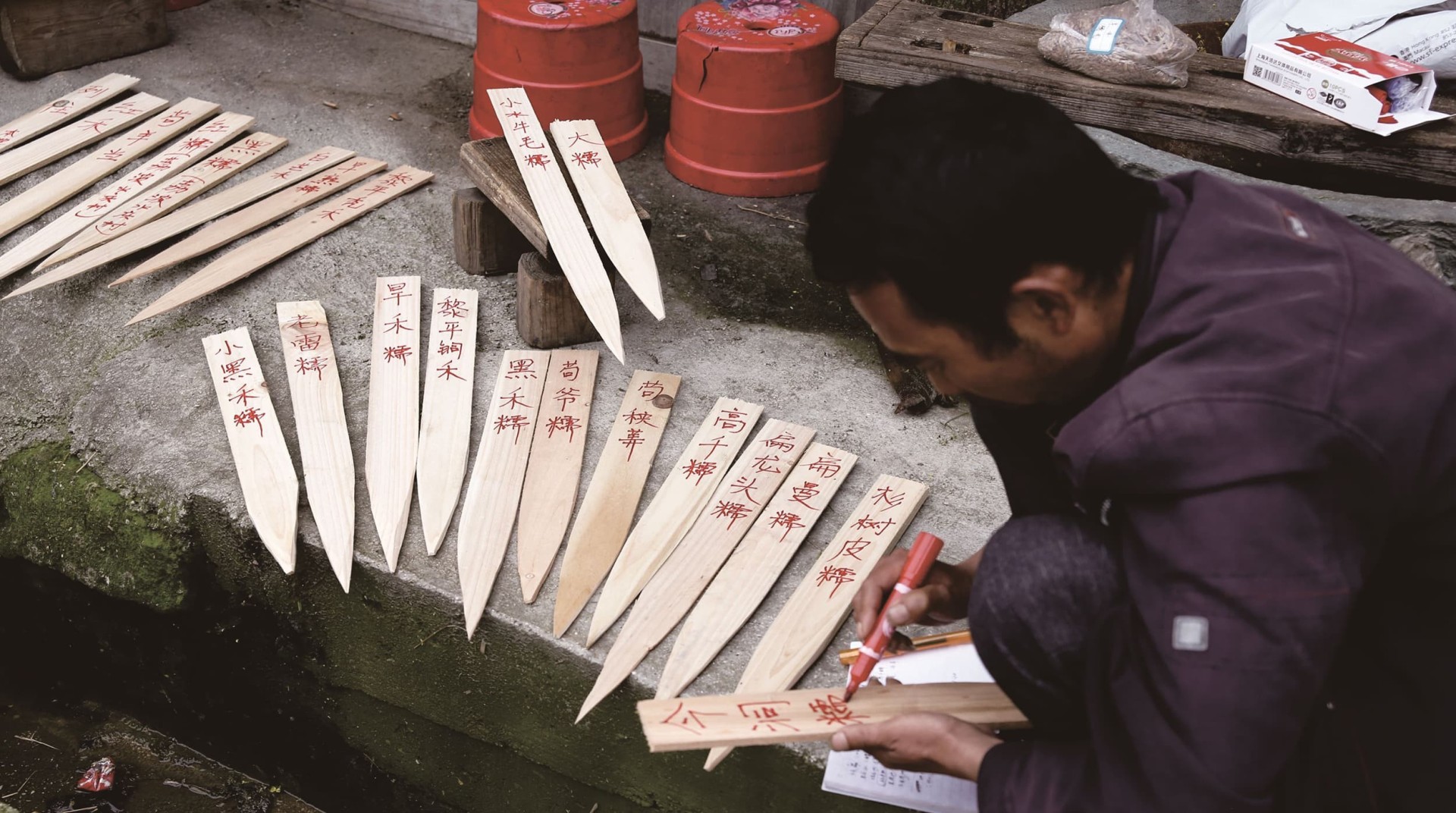
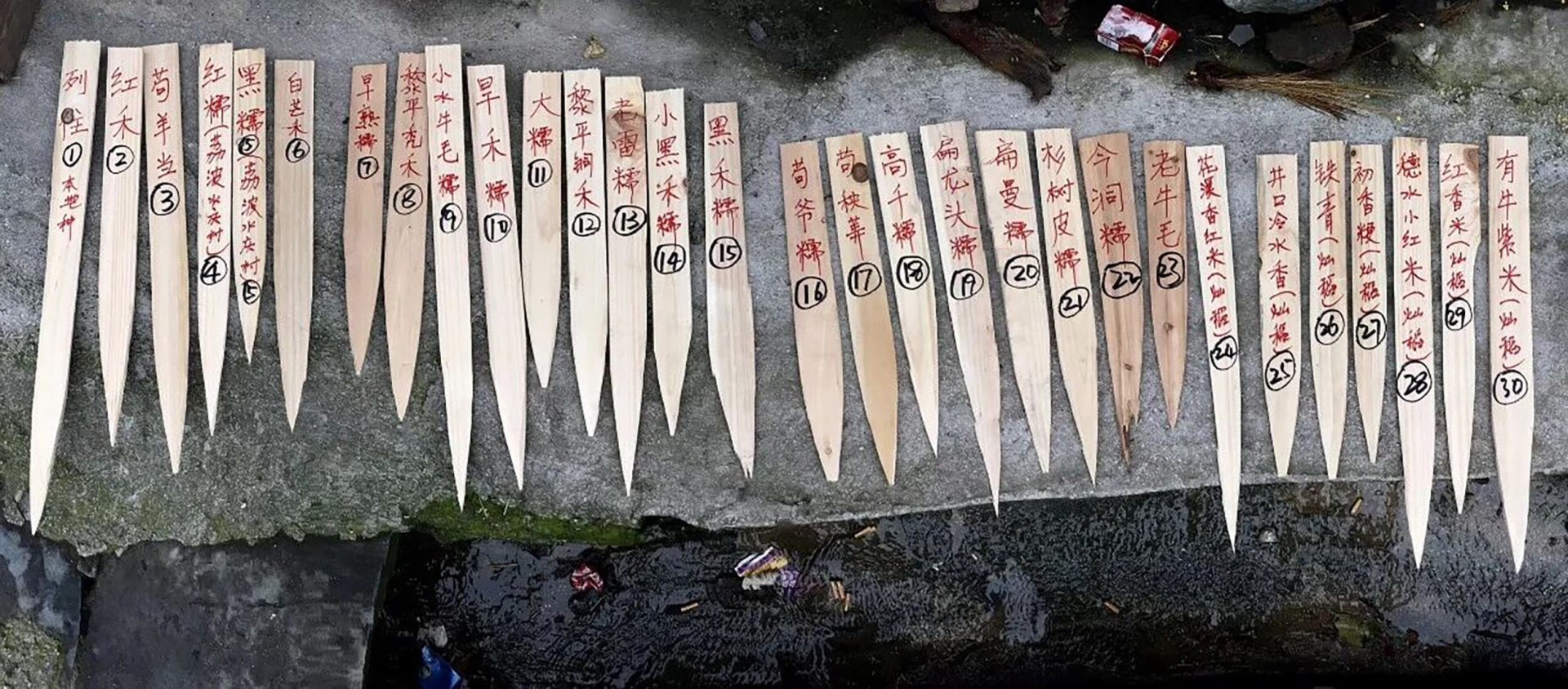
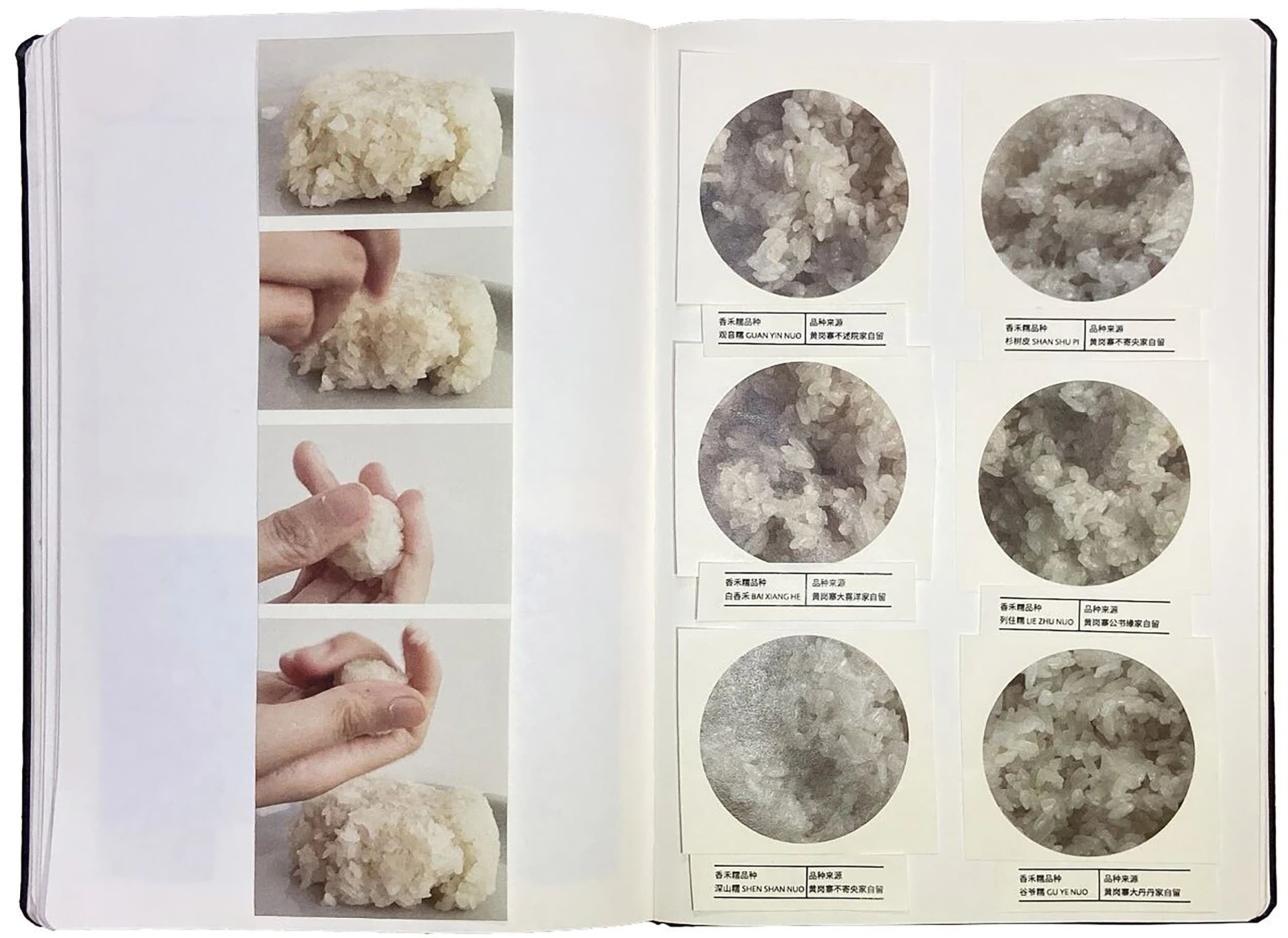
The first trial involved thirty rice varieties, including local varieties from Huanggang and fragrant glutinous rice collected from other regions. We wanted to observe how they germinated, grew and matured, and to understand the differences between them through cultivation.
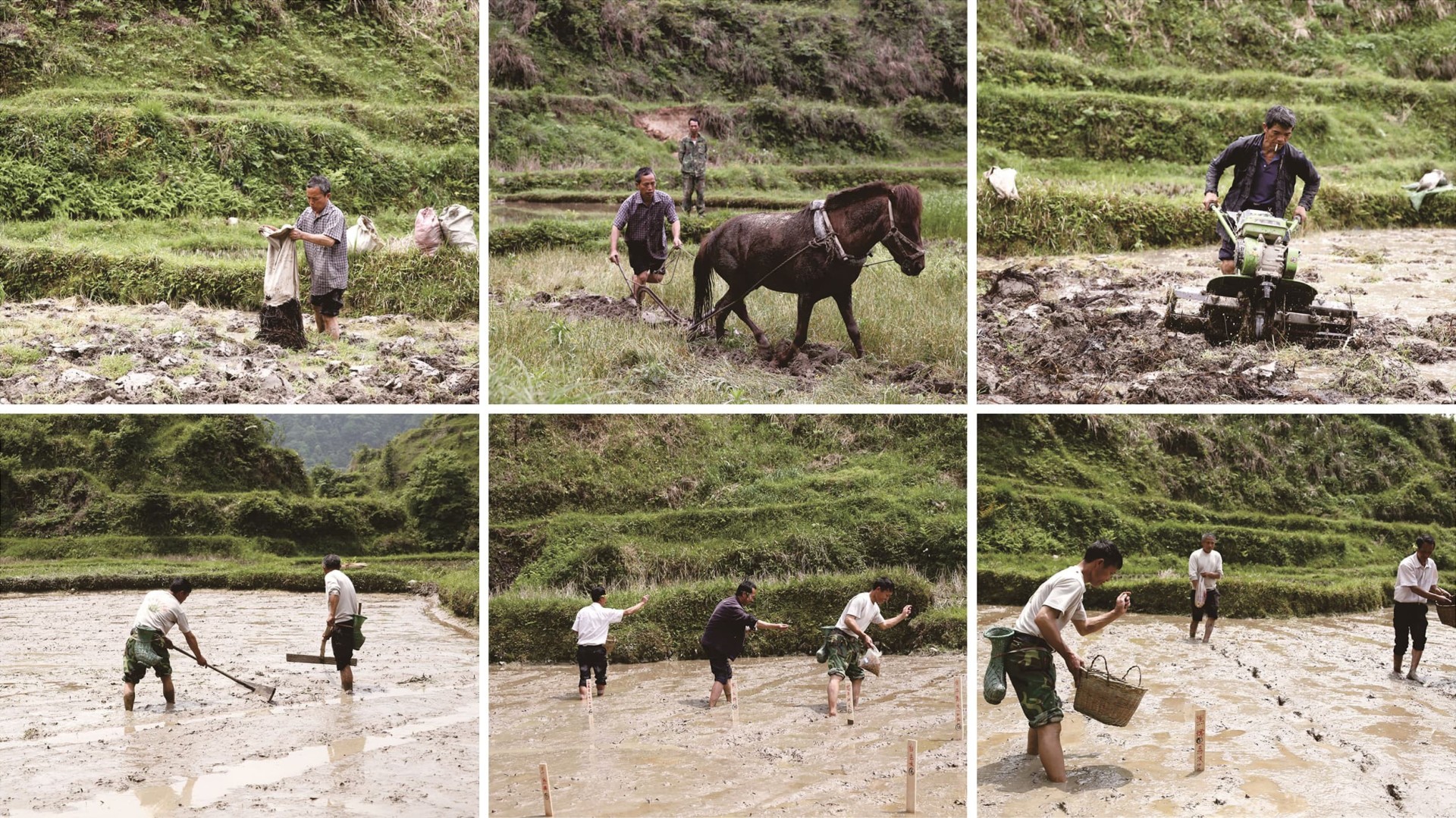
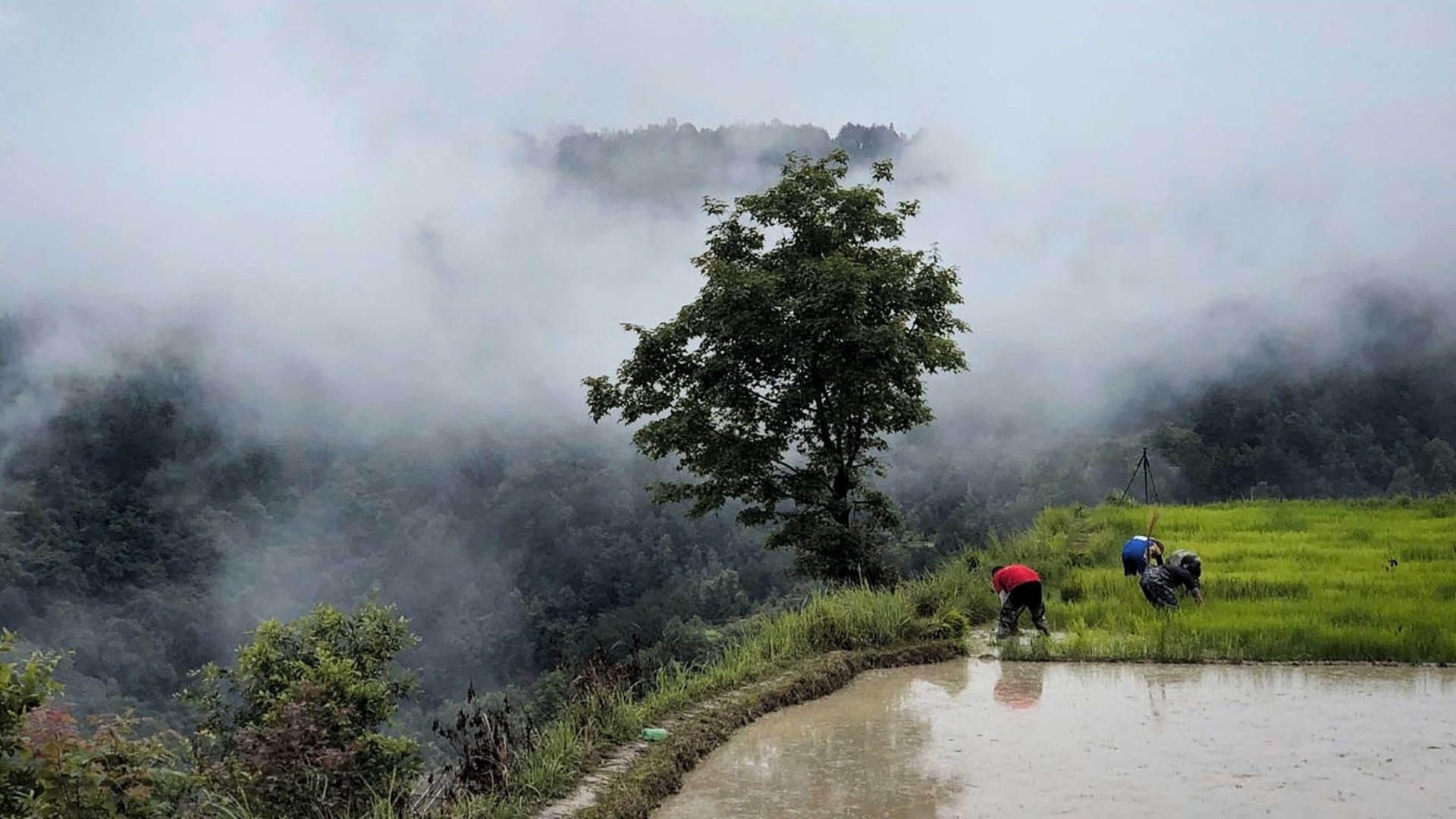
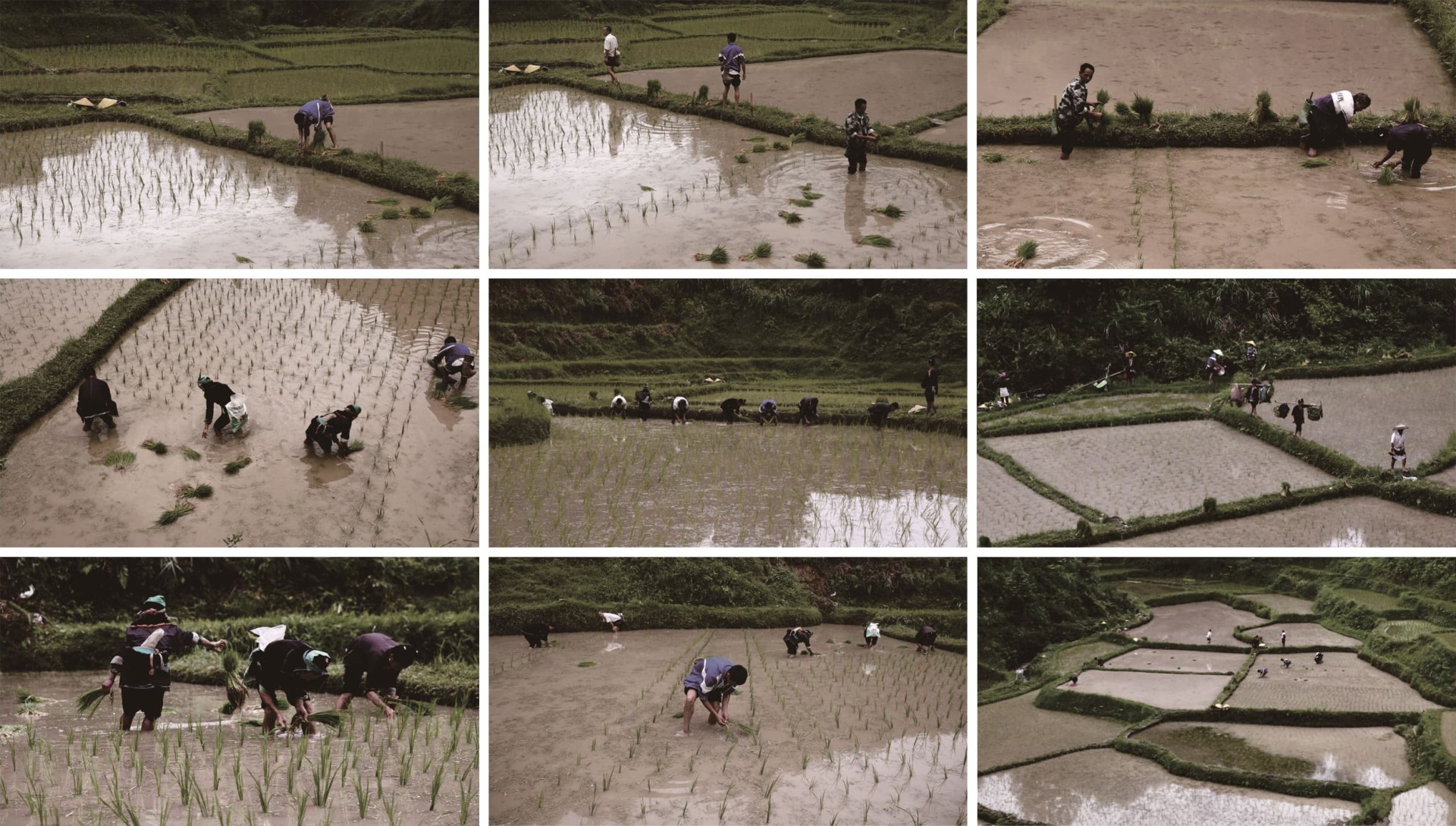
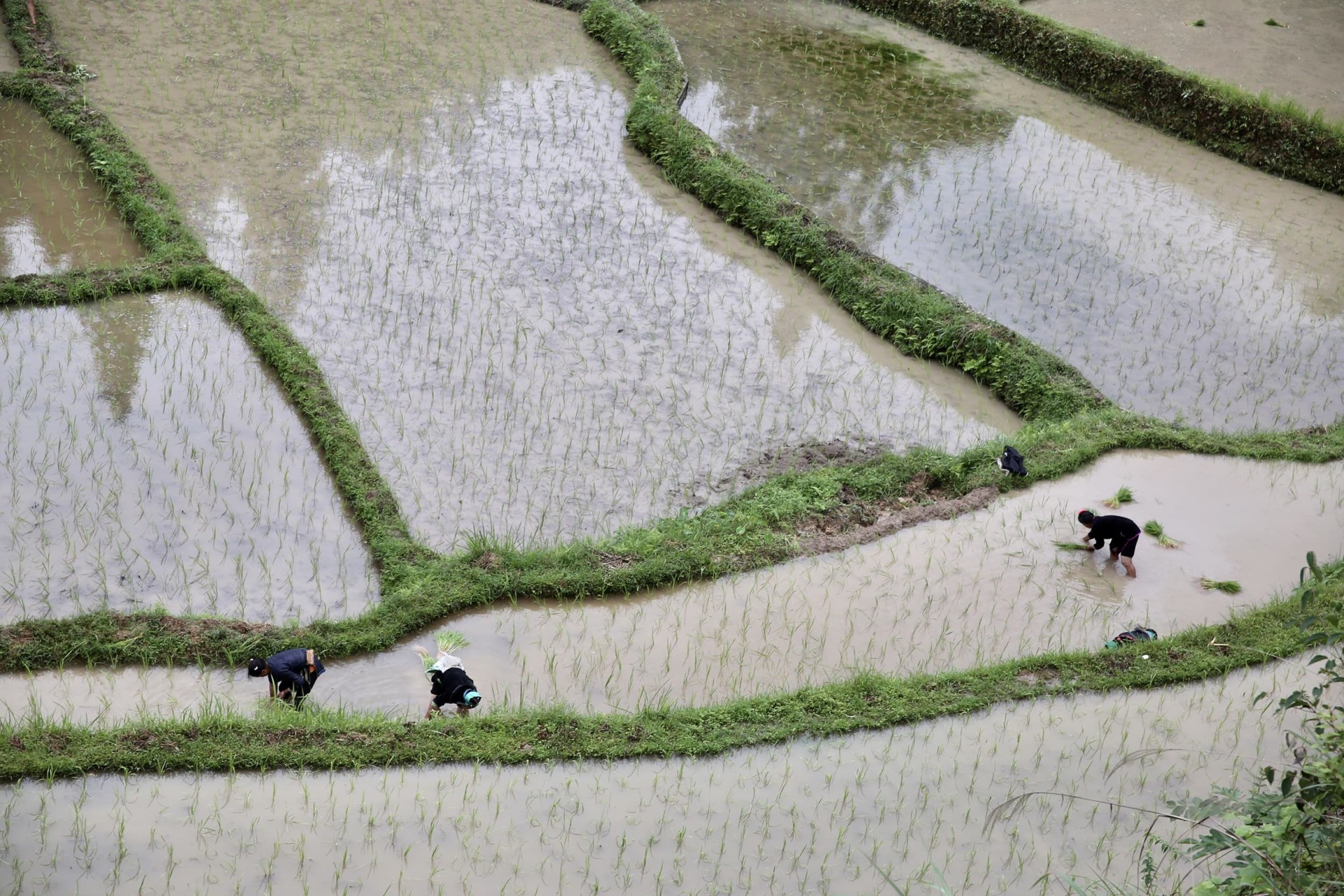
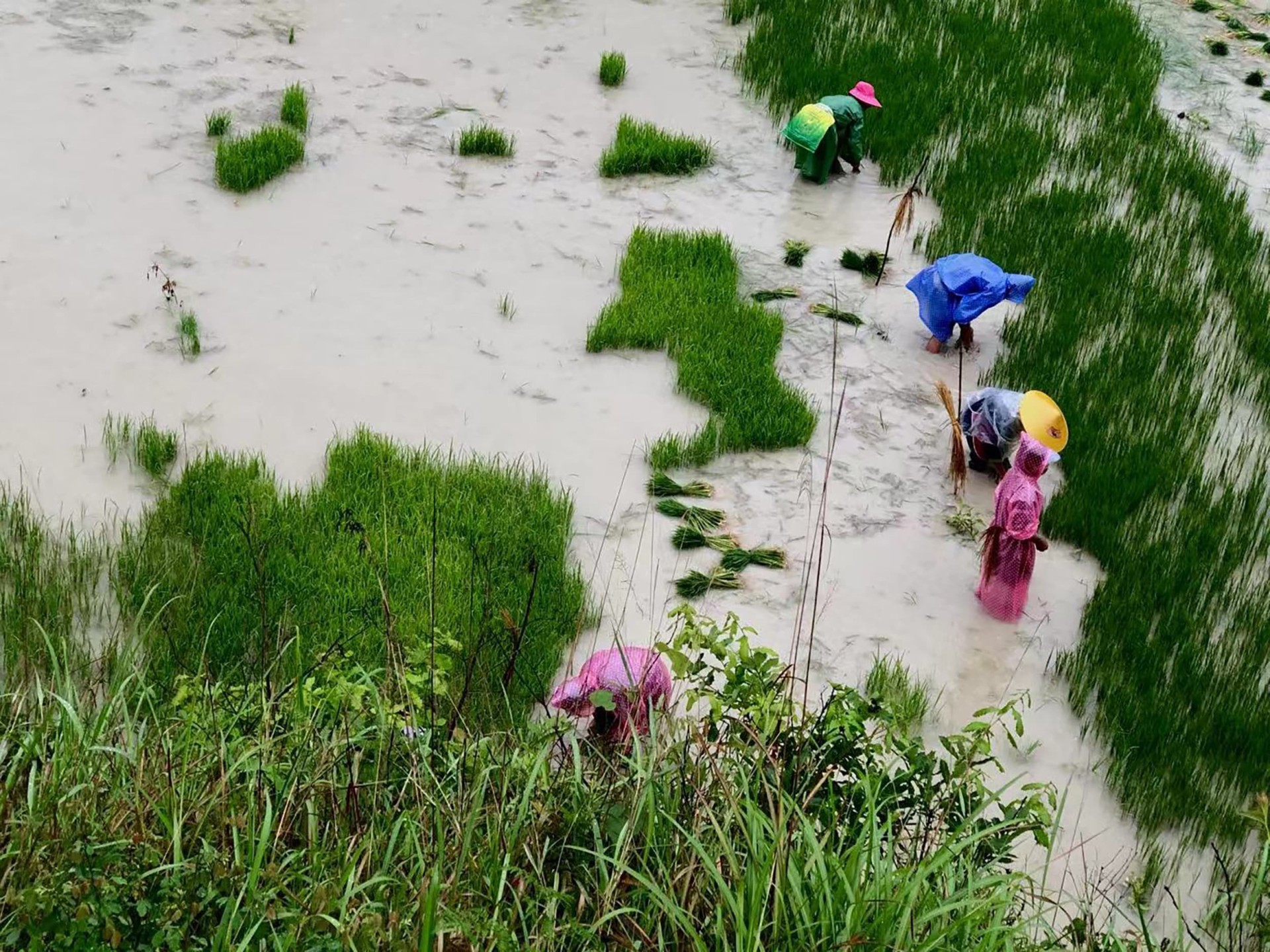
Around Guyu, the traditional solar term associated with the arrival of spring rain, preparations for planting began.
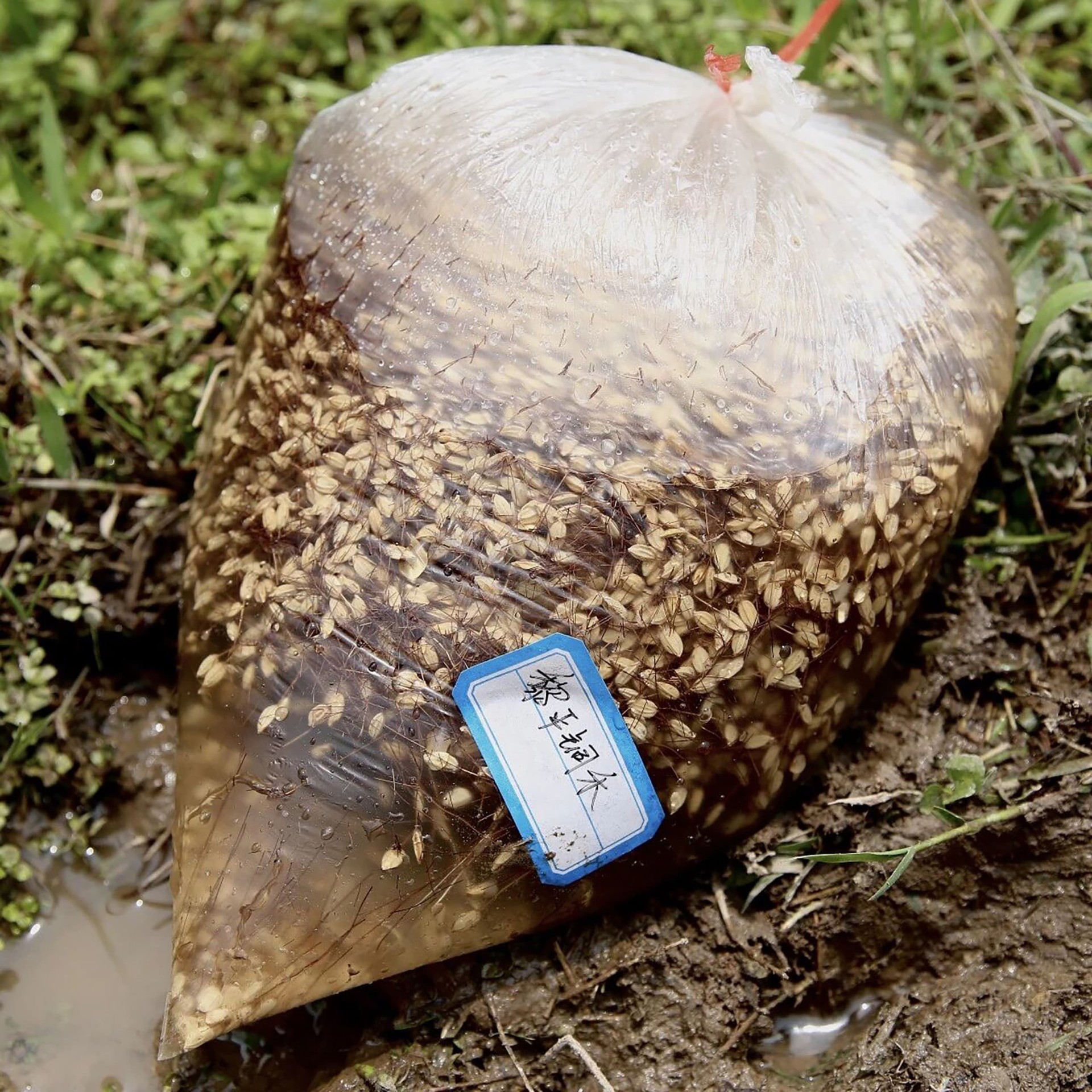
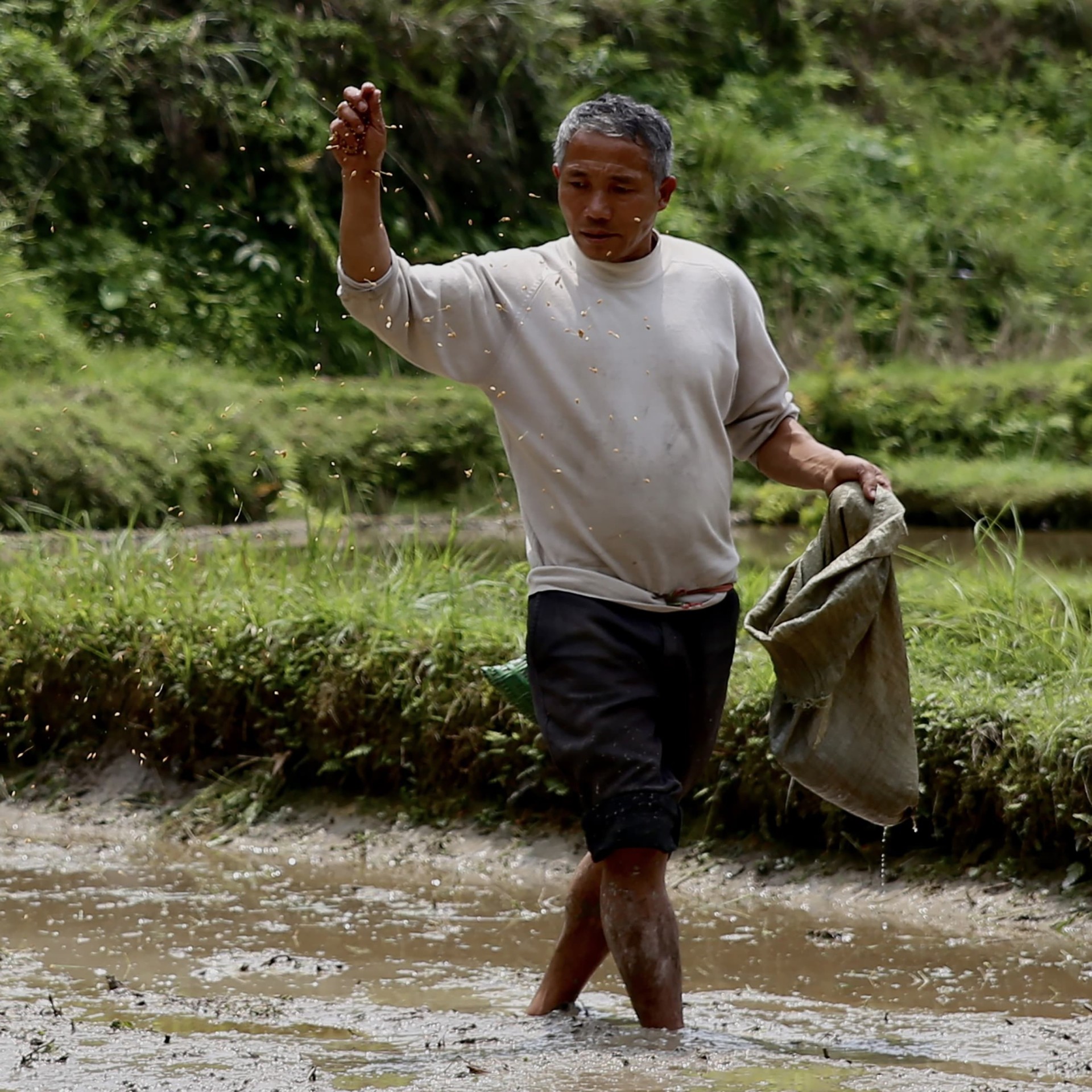
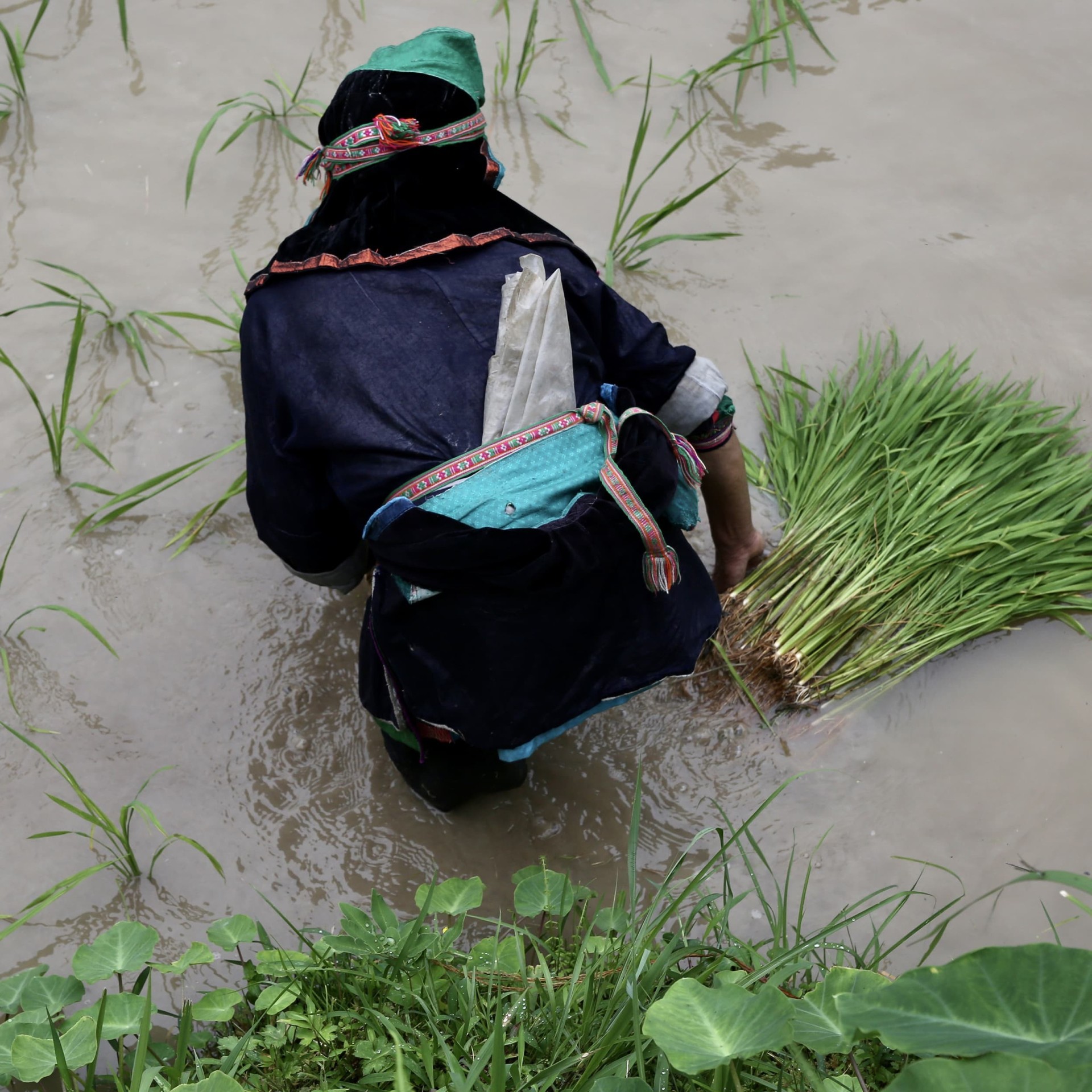
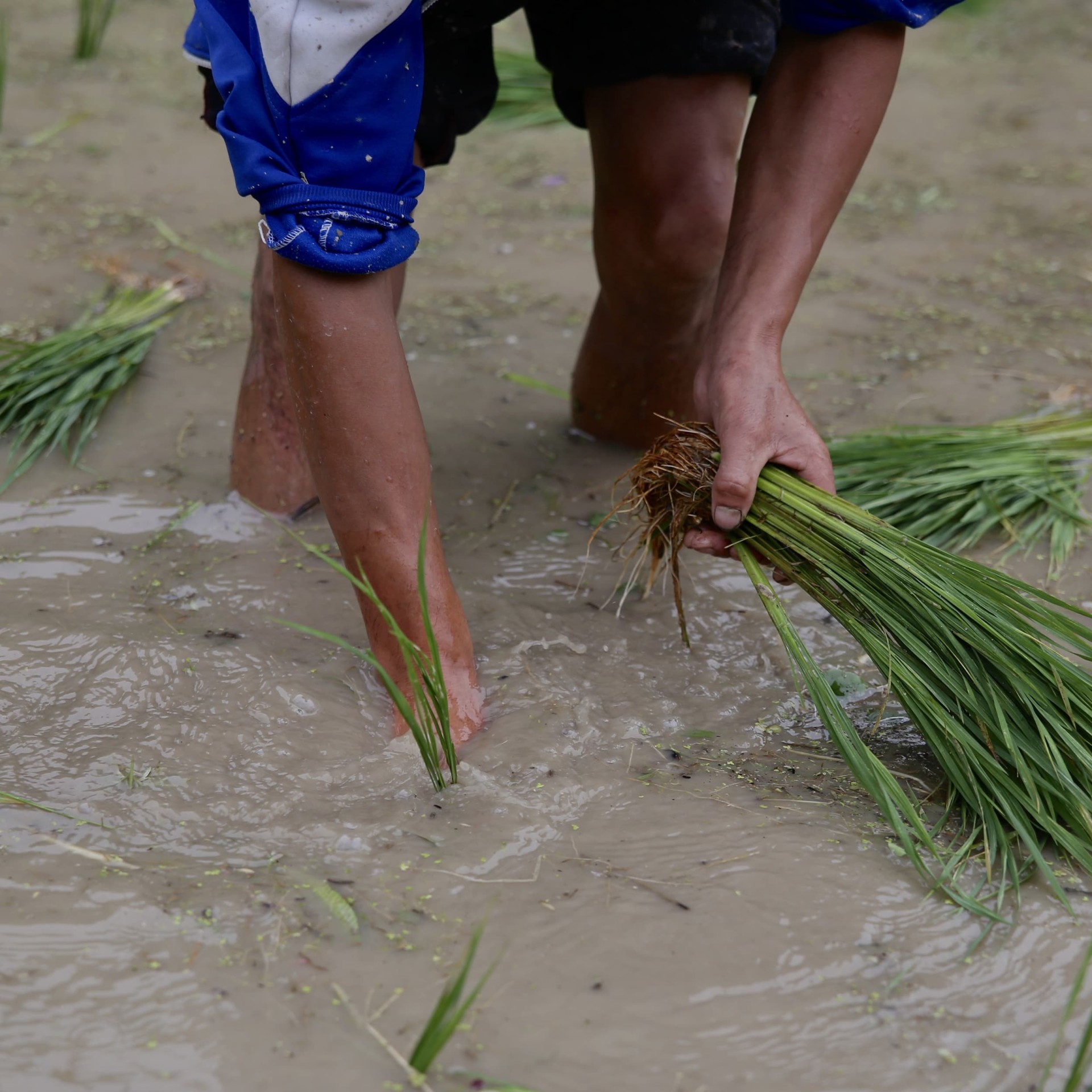
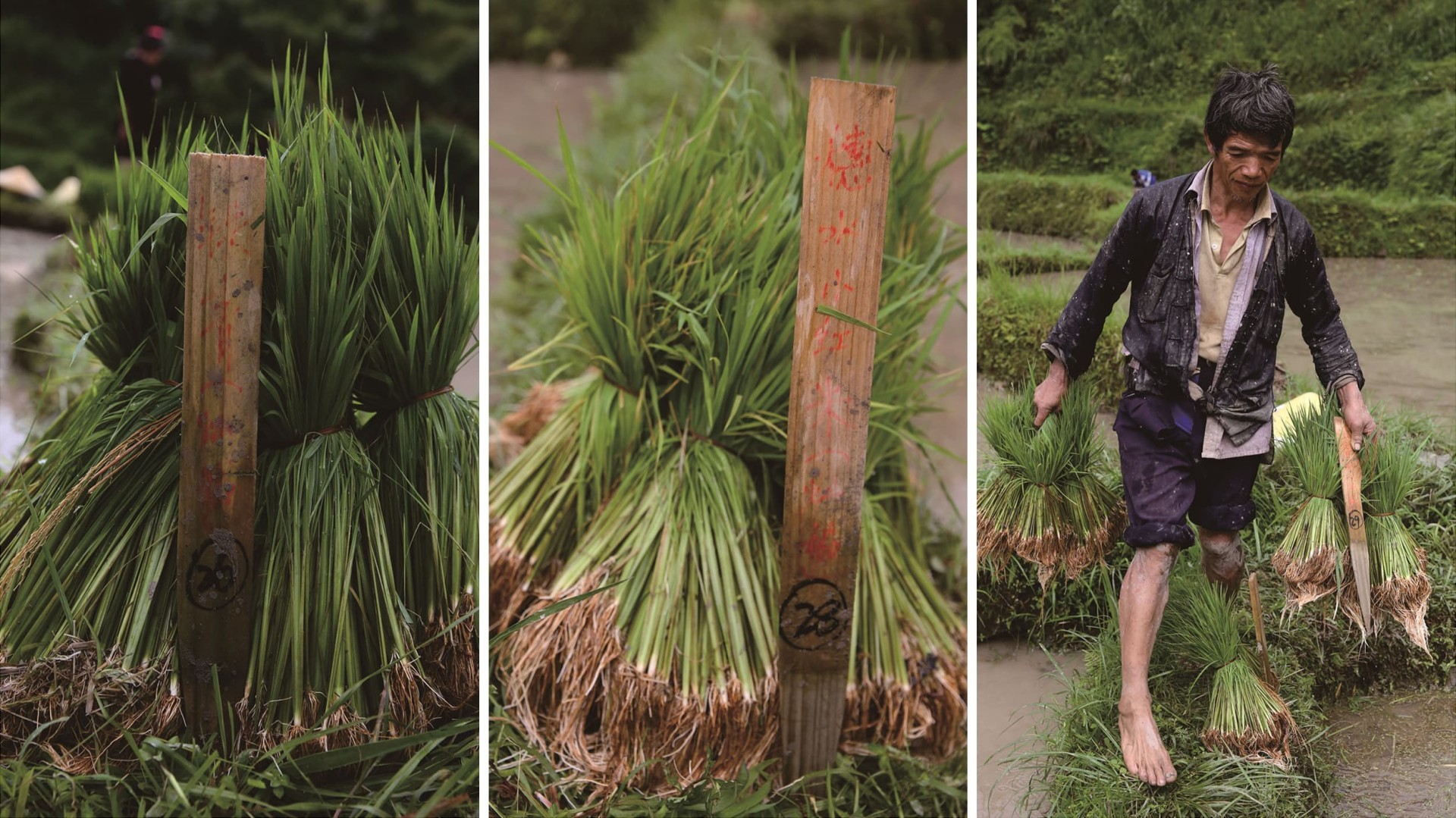
The work included inspecting the fields, regulating water levels, preparing tools, ploughing, clearing irrigation channels, spreading compost, harrowing, soaking the seeds and making variety markers before sowing. Each stage followed the rhythm of local farming practice. To make later observations possible, we marked and recorded the different varieties separately.
As we took part, we began noticing details that might otherwise have gone unrecorded.
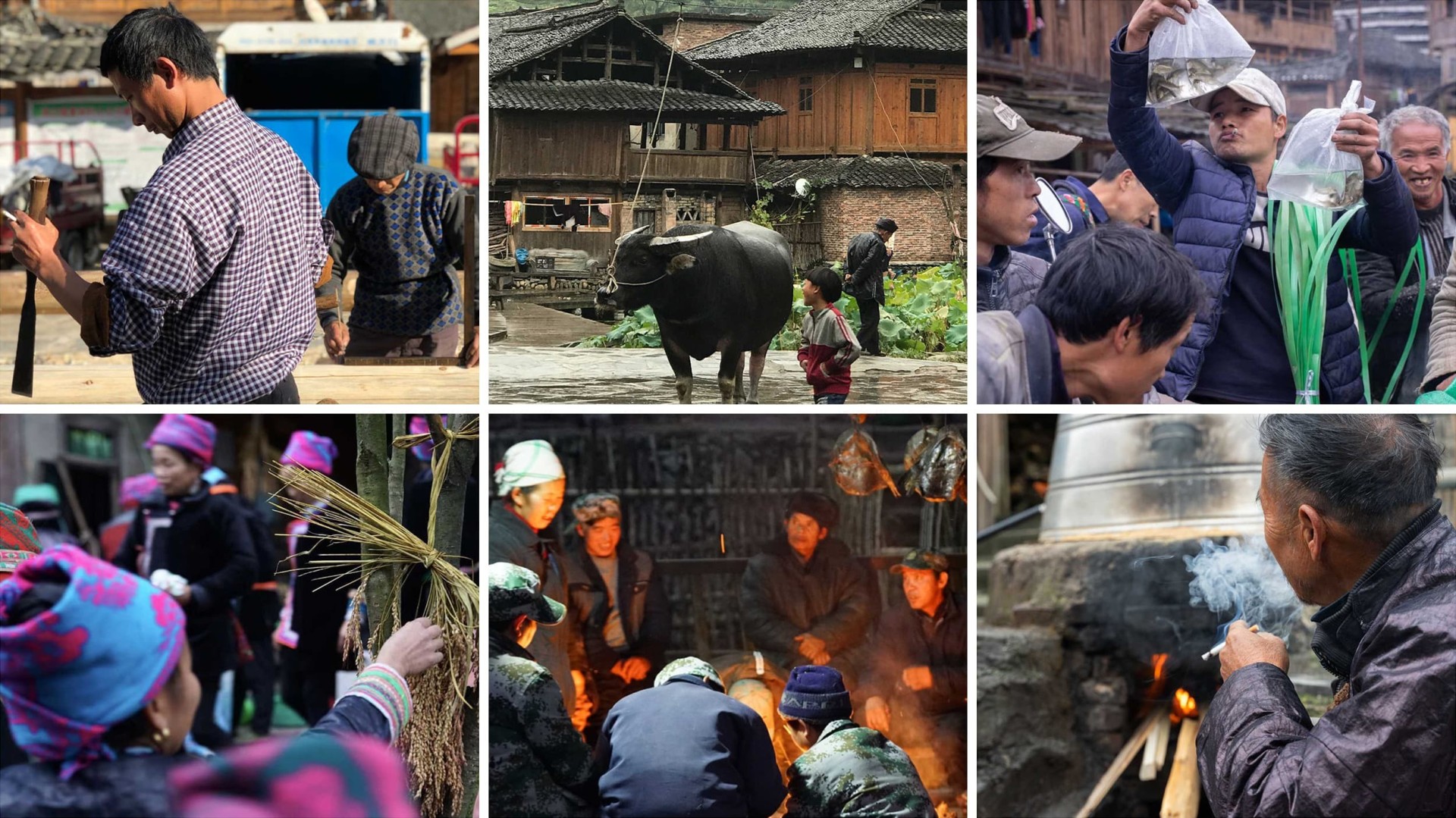
In some remote fields, cattle could not reach the land, so horses were used instead for ploughing. During sowing, some villagers tucked fresh grass and wildflowers behind their ears, expressing their hopes for a successful growing season.
These gestures did not change the basic process of planting, but they revealed another dimension of farming: an understanding of the seasons, hopes for the harvest and customs formed through generations of working the land.
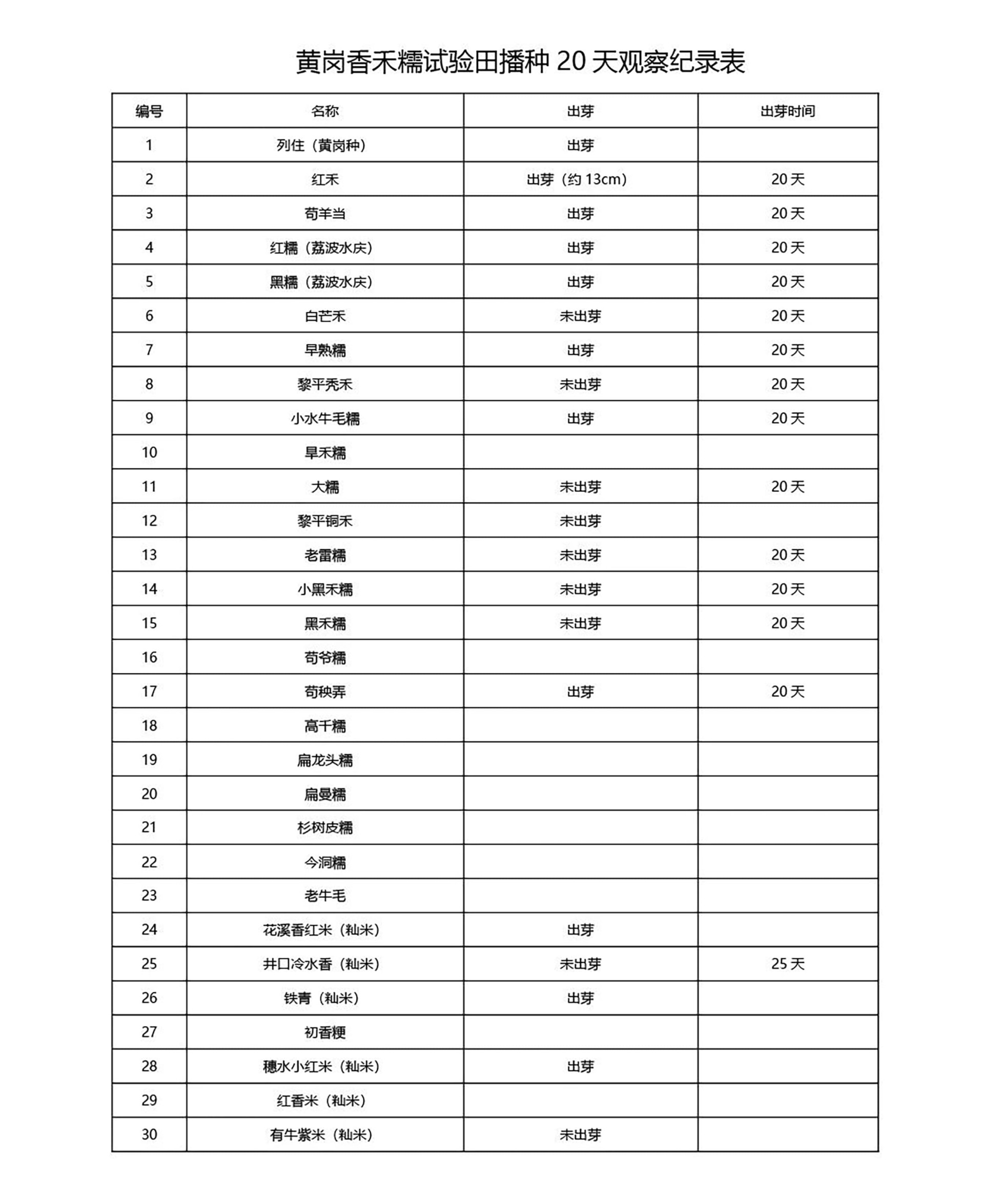
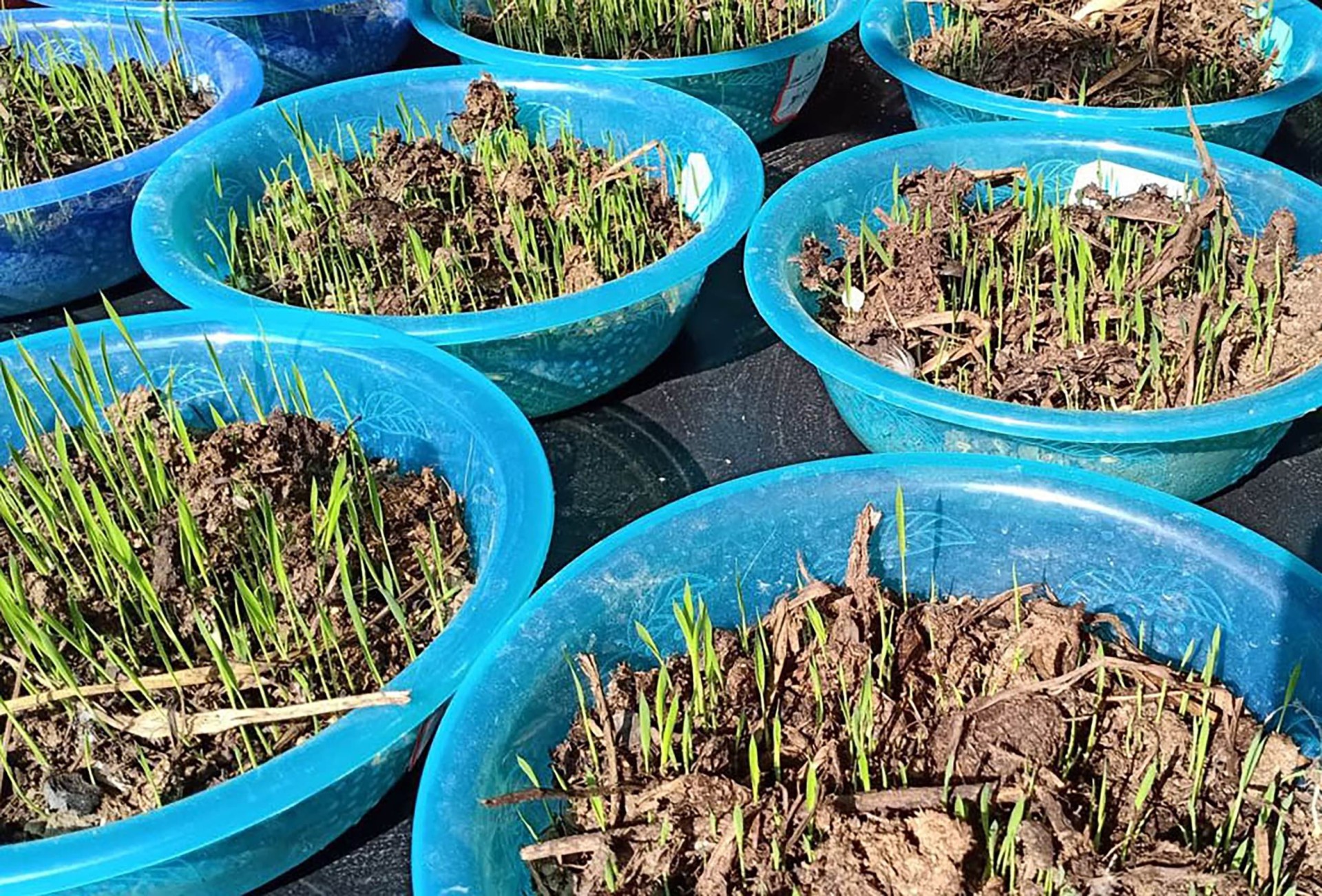
Sowing did not immediately produce the results we had hoped for.
Observations made around twenty days later showed clear differences in germination. Some varieties had sprouted, while others showed little sign of growth. A few failed to progress to the next stage.
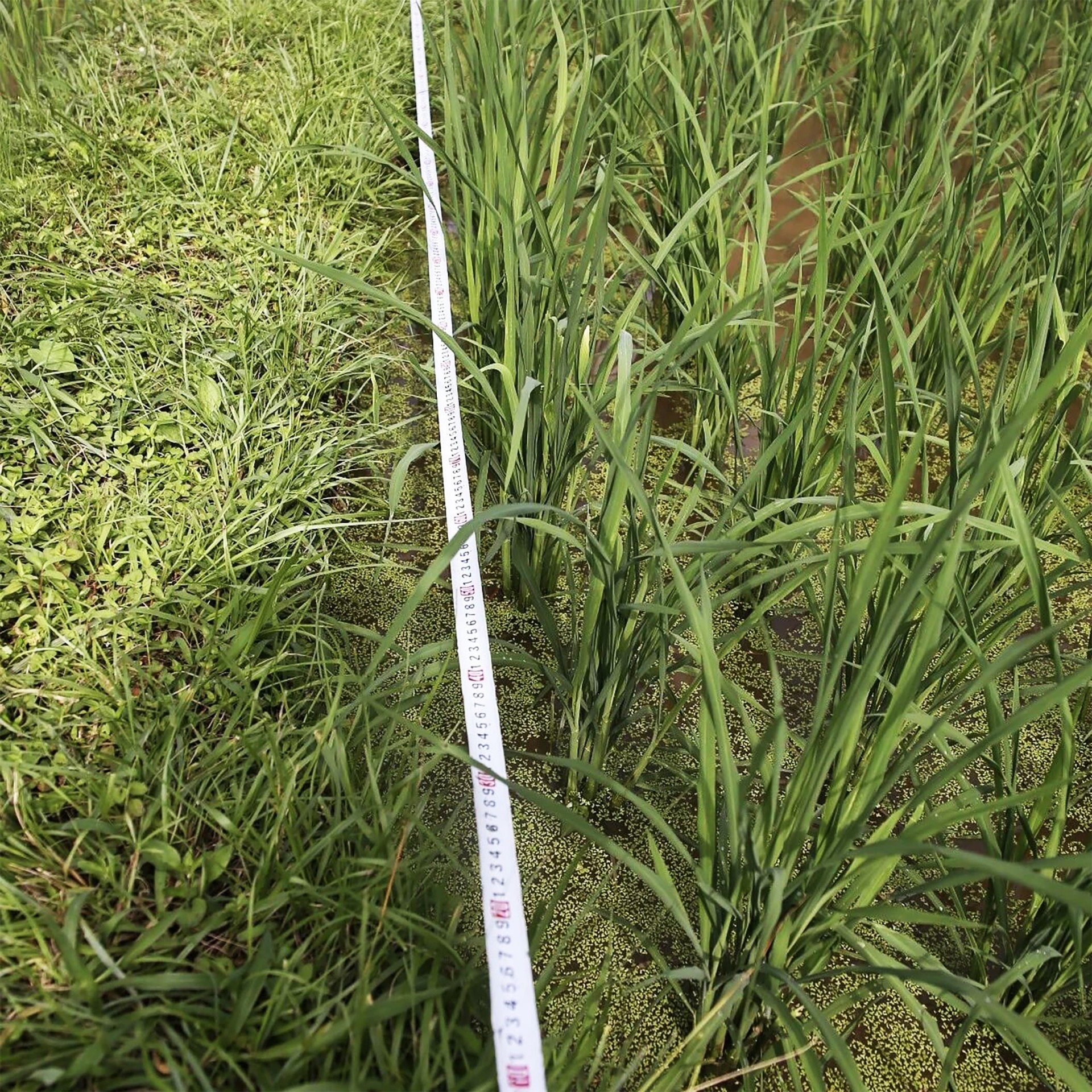
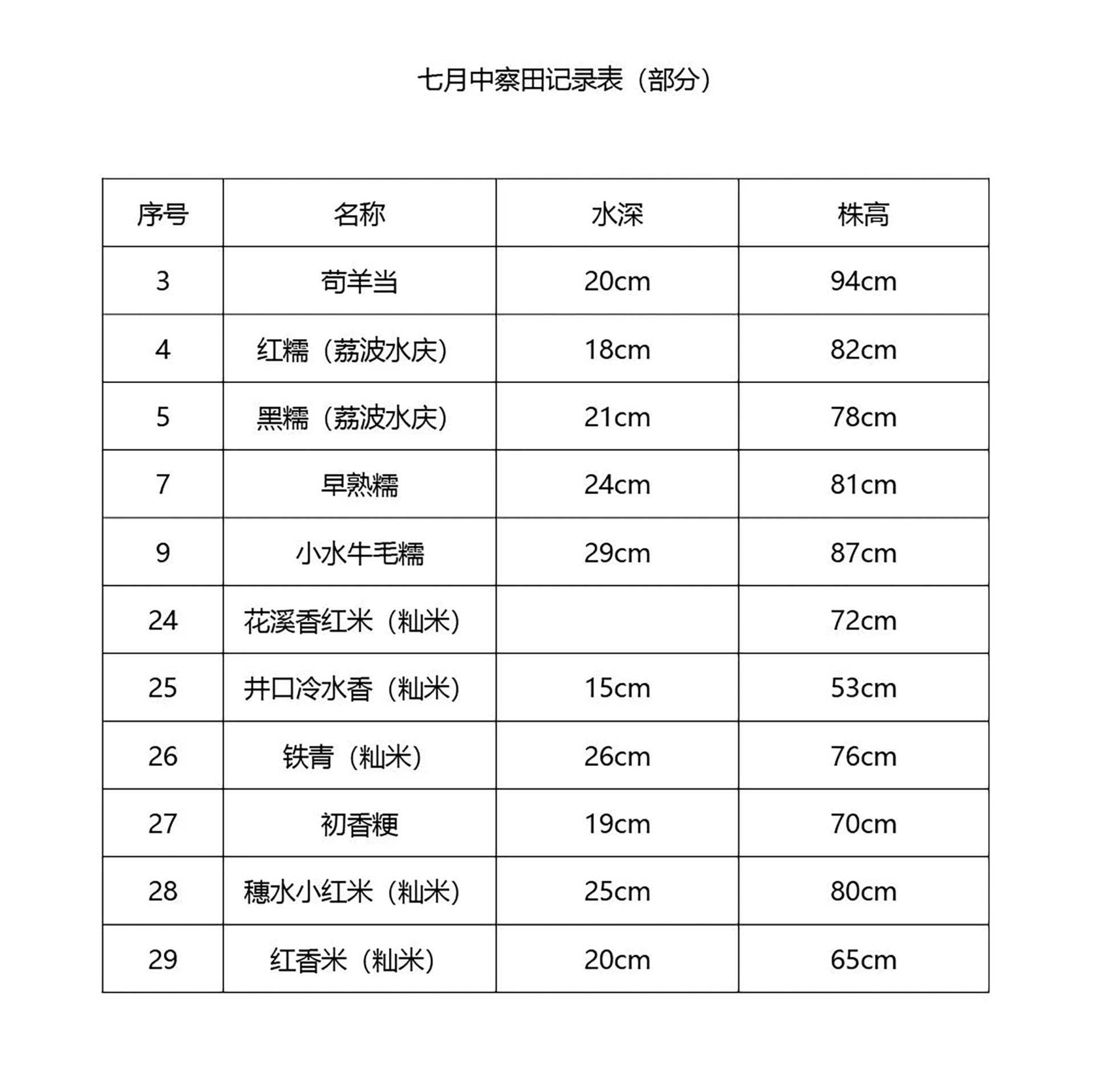
By mid‑July 2019, we began measuring water depth and plant height in the fields. Our records showed that the plot containing Gouyangdang had a water depth of approximately 20 centimetres, with plants reaching around 94 centimetres in height. Other varieties displayed different growth patterns.
These measurements could not, on their own, explain every characteristic of a variety. They did, however, provide a basis for further observation. Differences that farmers had long recognised through experience were beginning to take shape in a more systematic record.
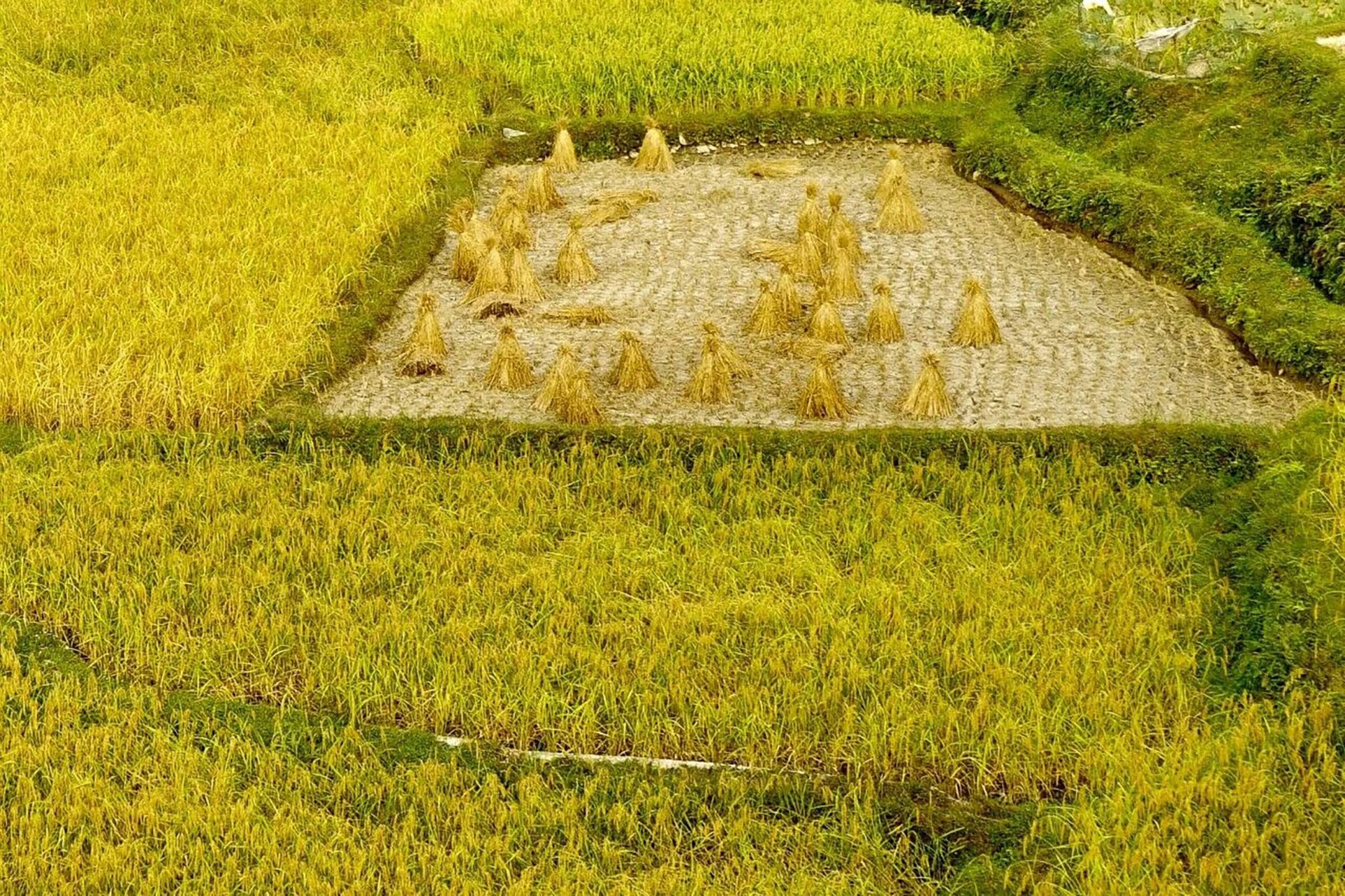
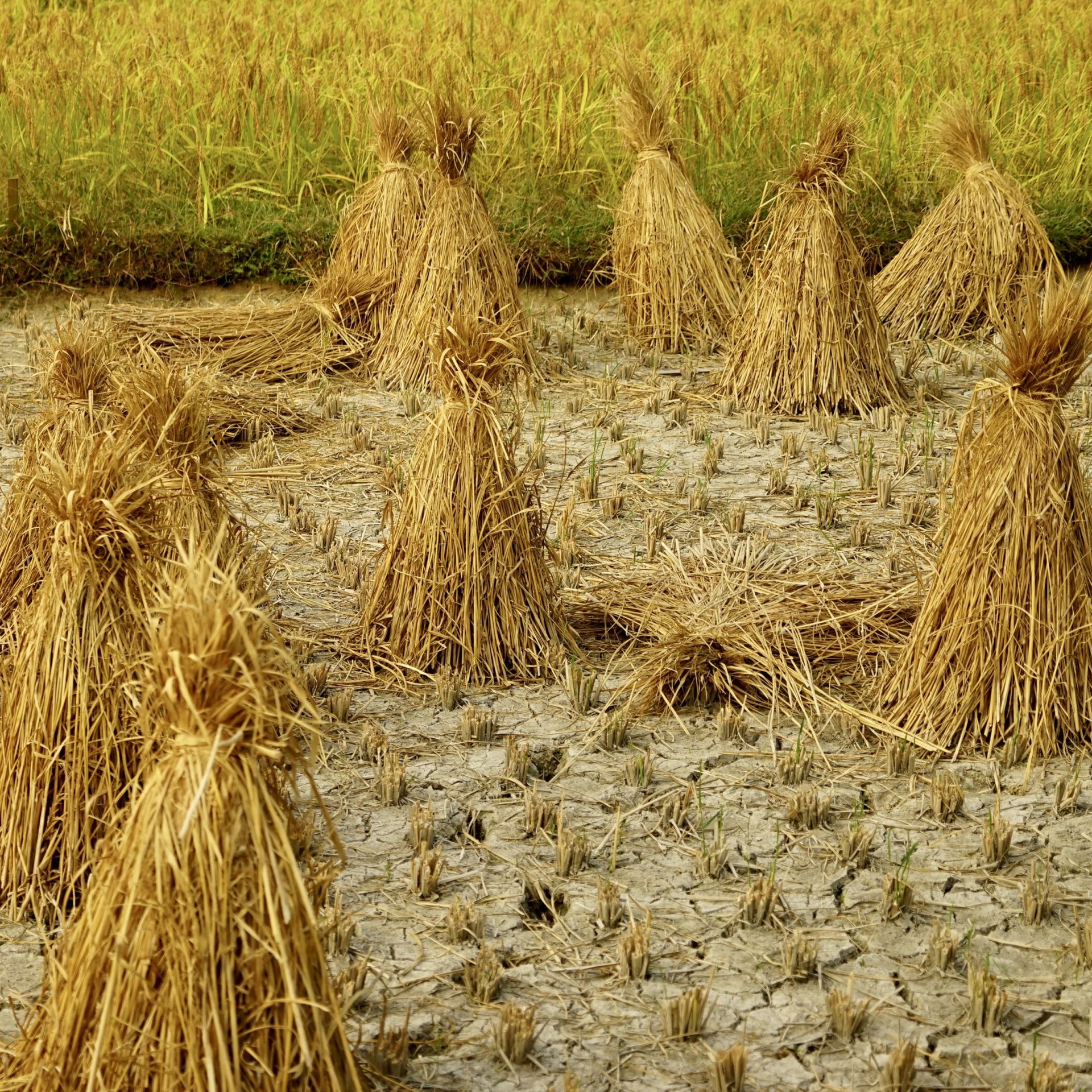
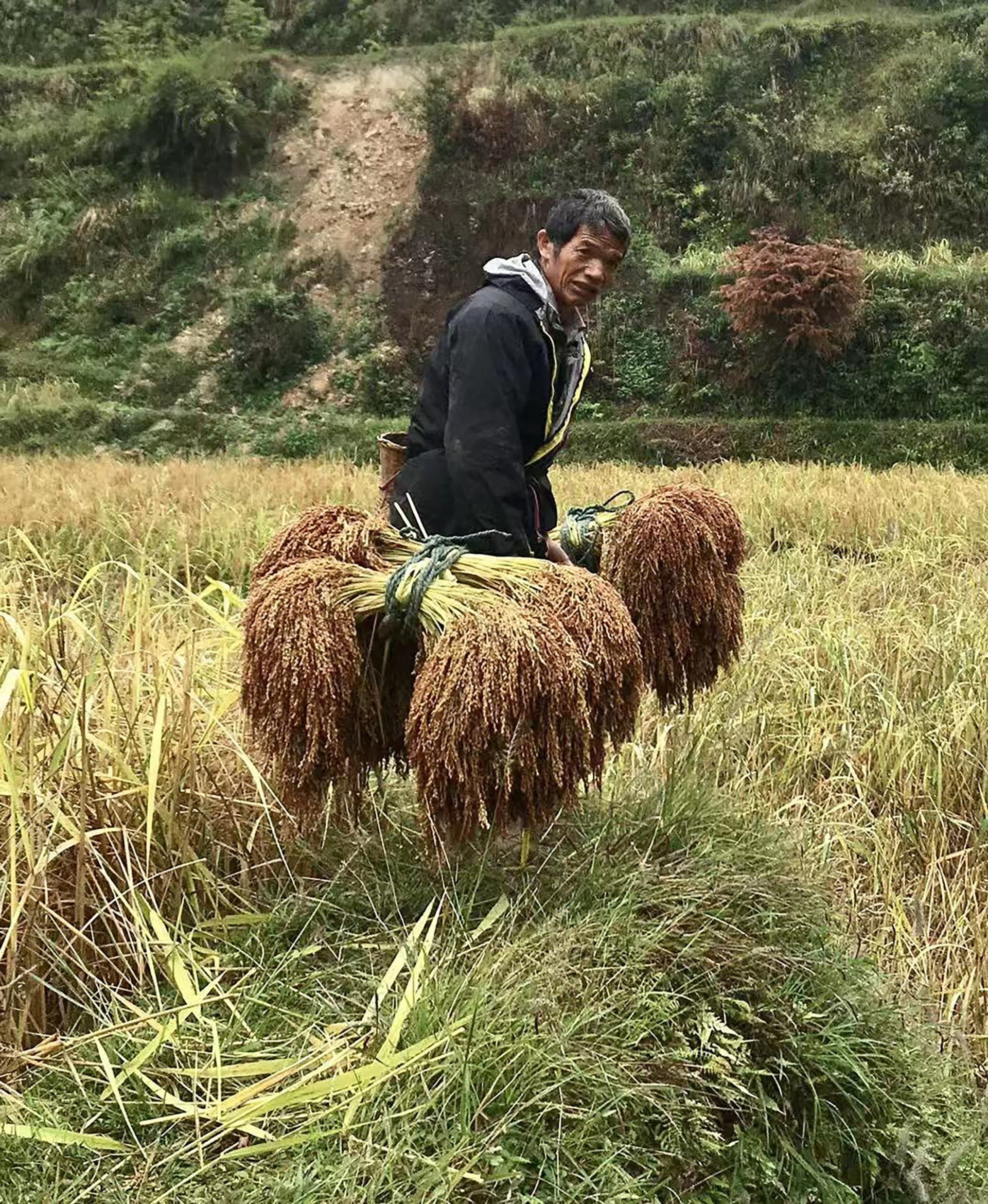
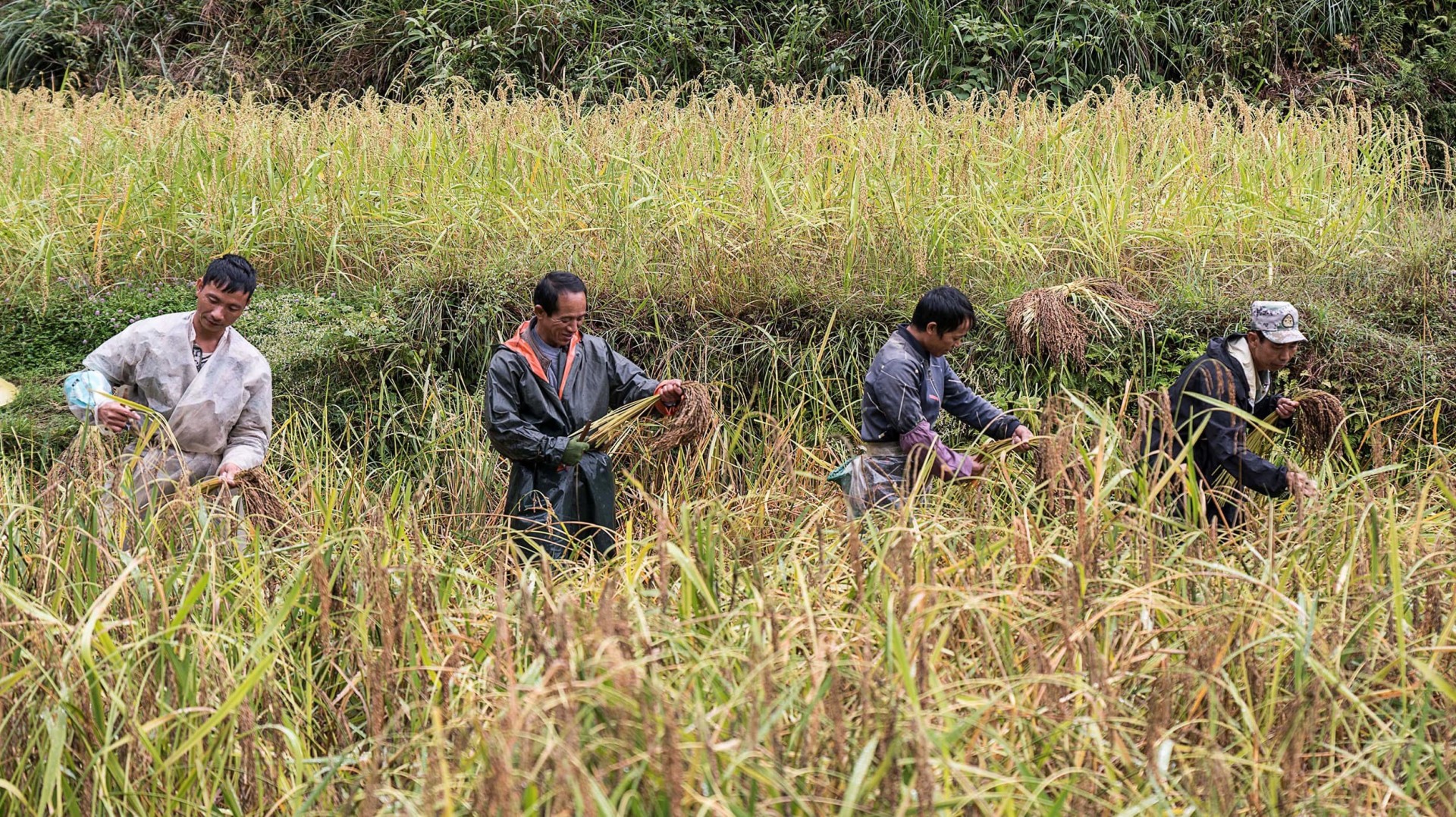
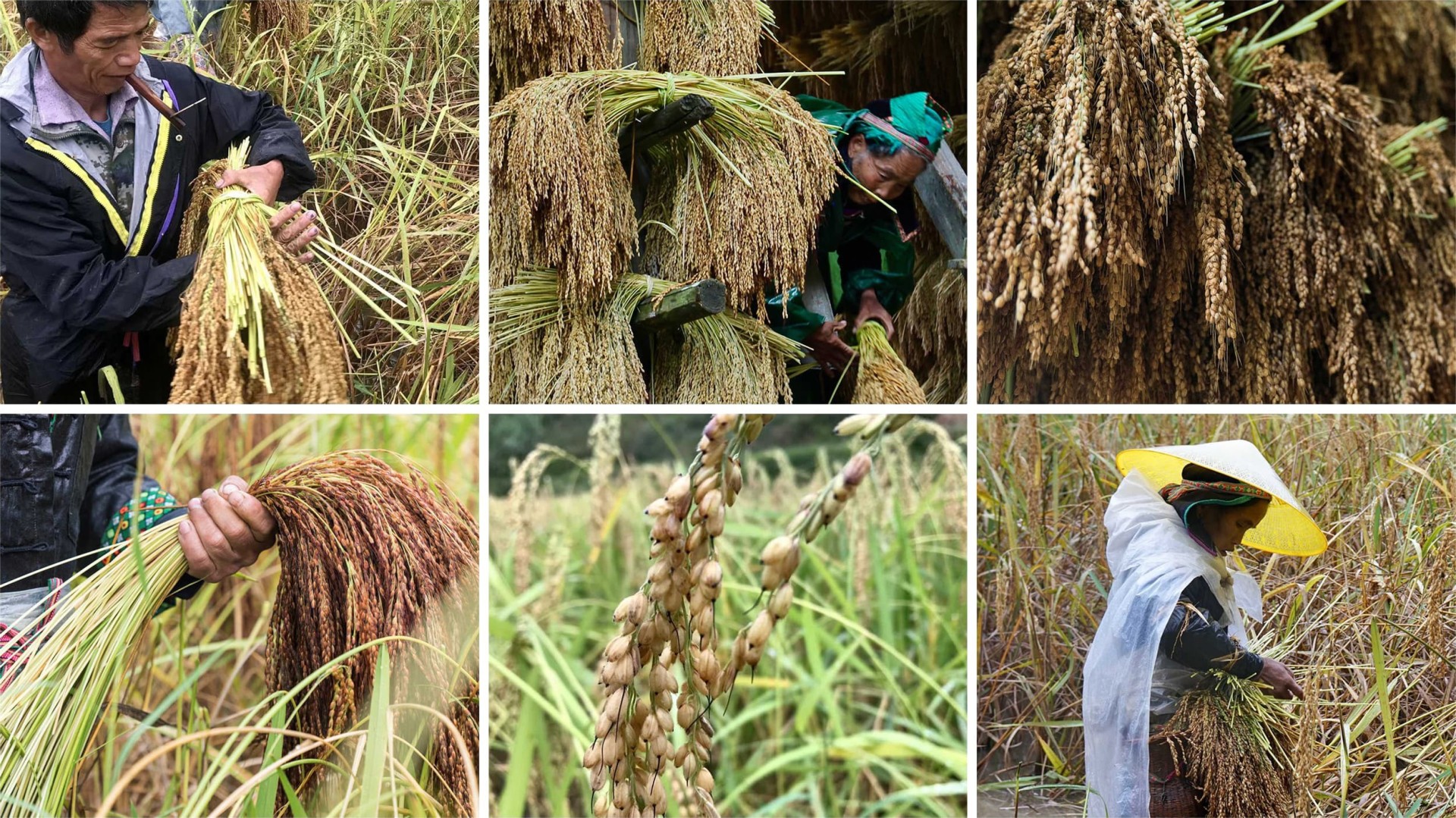
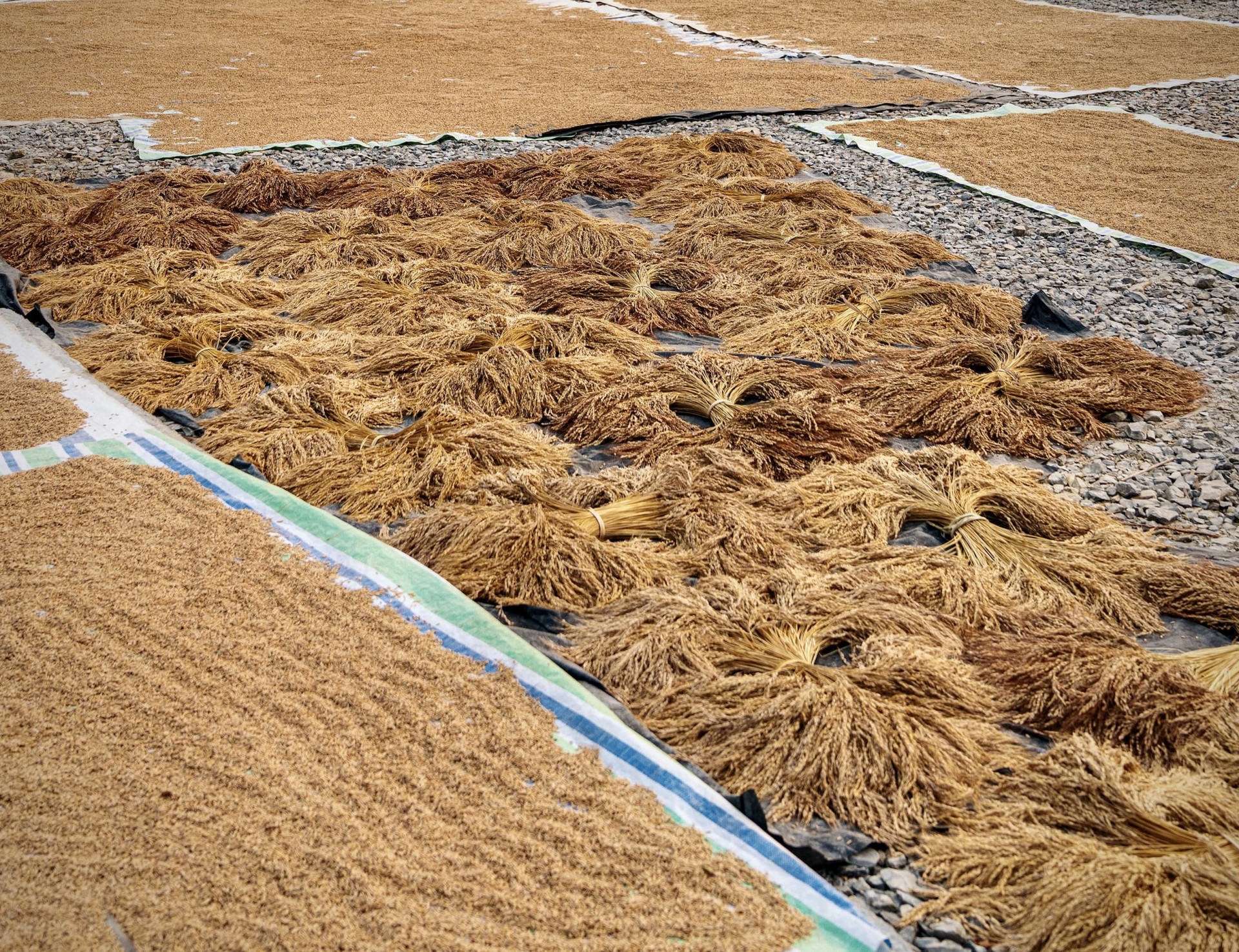
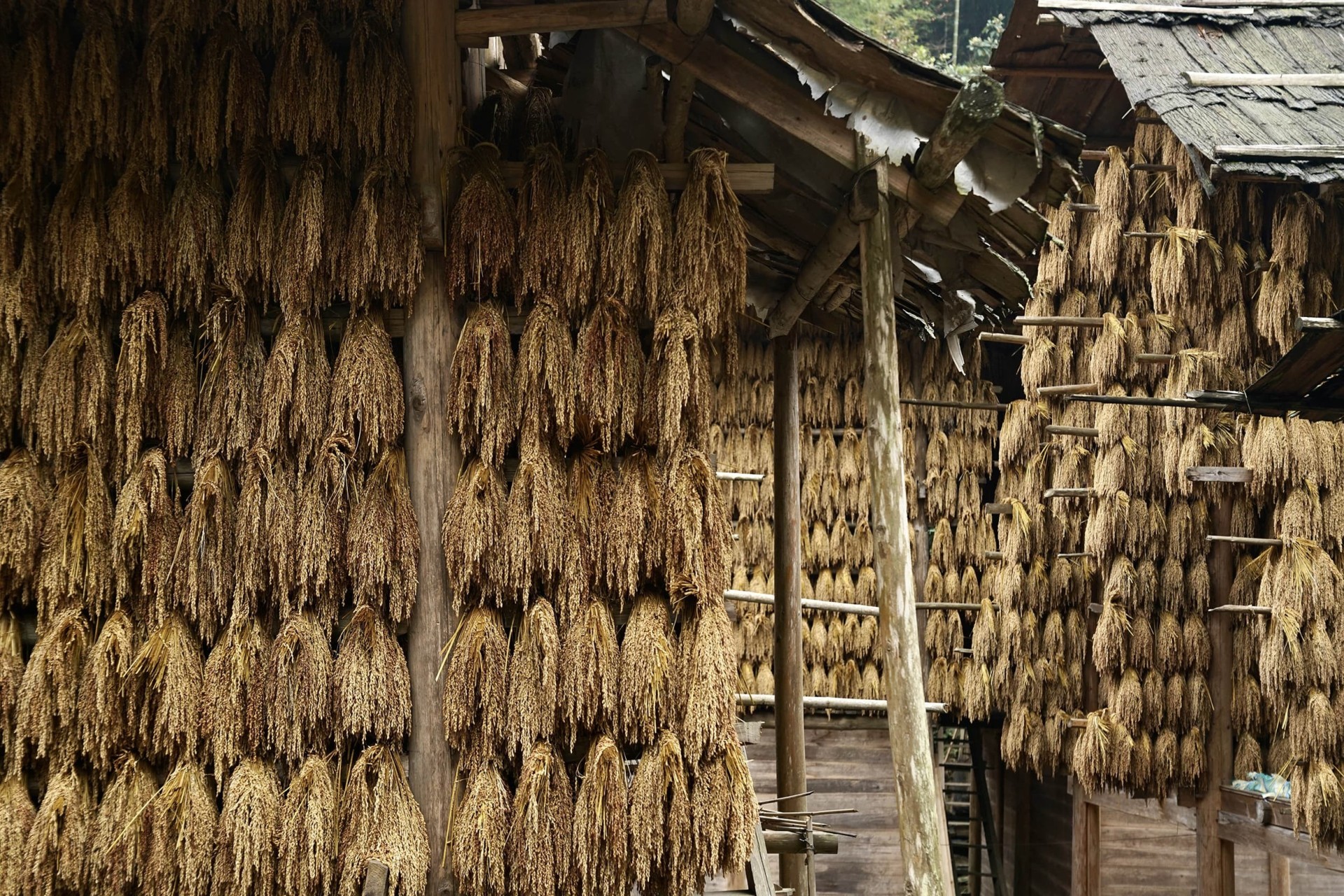
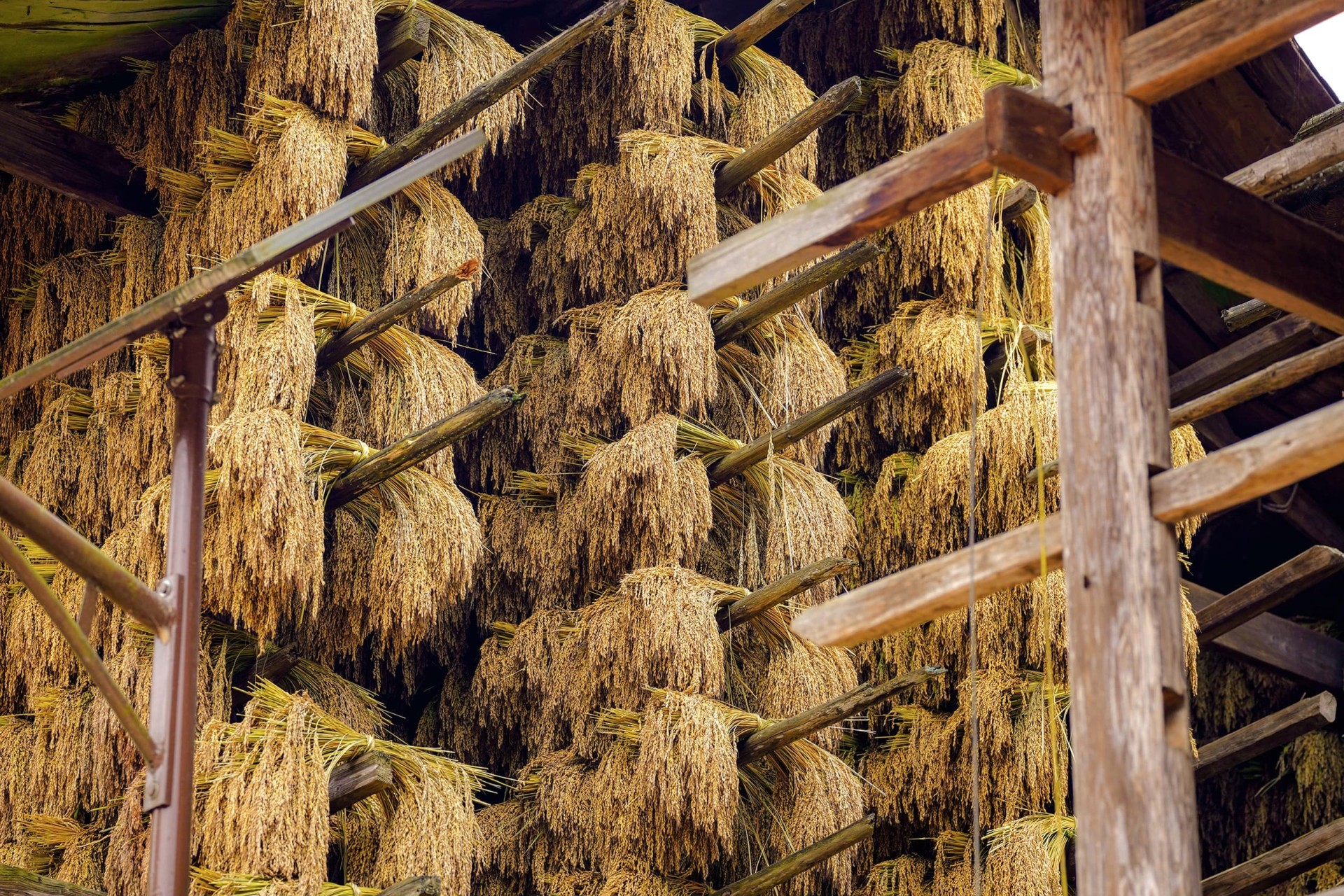
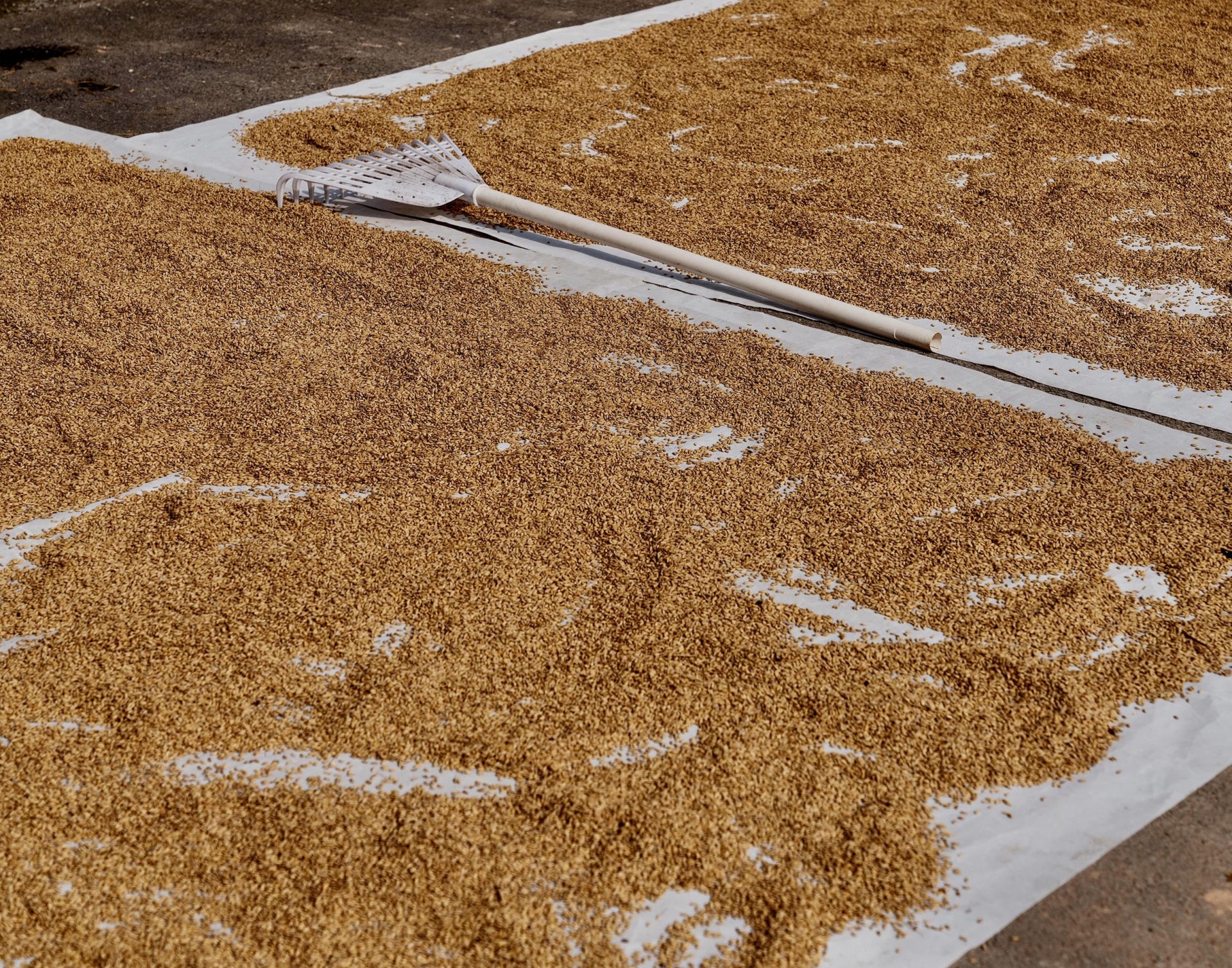
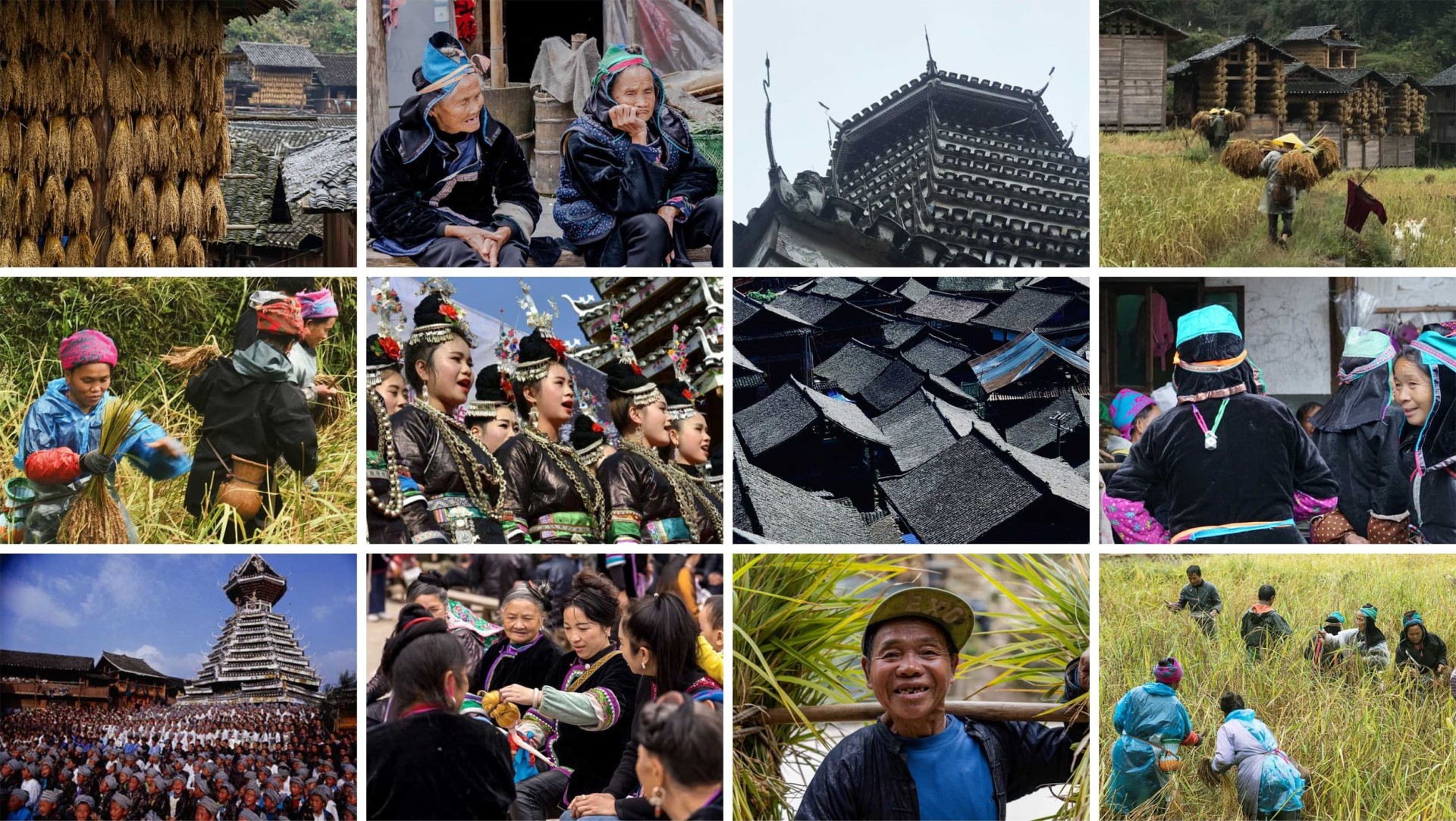
By October, the trial plots were ready for harvest. The varieties did not mature at the same time. After cutting, the rice was carried to raised grain‑drying racks, where the grain could dry in the sun and moving air. These racks were generally located towards the outskirts of the village, away from the main living areas. Some stood near ponds, reflecting local efforts to reduce the risks of fire and damage from rodents.
Some fragrant glutinous rice was also eaten before it had fully matured. The grains were still greenish; they could be threshed and roasted for eating. Locally, this was known as Lianrenmi, or “Lovers’ Rice”.
From germination to maturity, the differences between varieties became things we could observe and compare. We began to understand that reviving a variety was not simply a matter of putting an old seed back into the ground. It meant re‑establishing a relationship between the seed and the land, and learning about its characteristics and limitations in the process.
But as the seeds began to grow, another question emerged: if we could recover a seed and cultivate it, but did not understand the land on which it depended, could we really understand the variety itself?
This question became the starting point for our later exploration of Huanggang's agricultural system.
From Seeds to an Agricultural System
As the project progressed, our attention shifted from individual varieties to the wider agricultural environment of Huanggang.
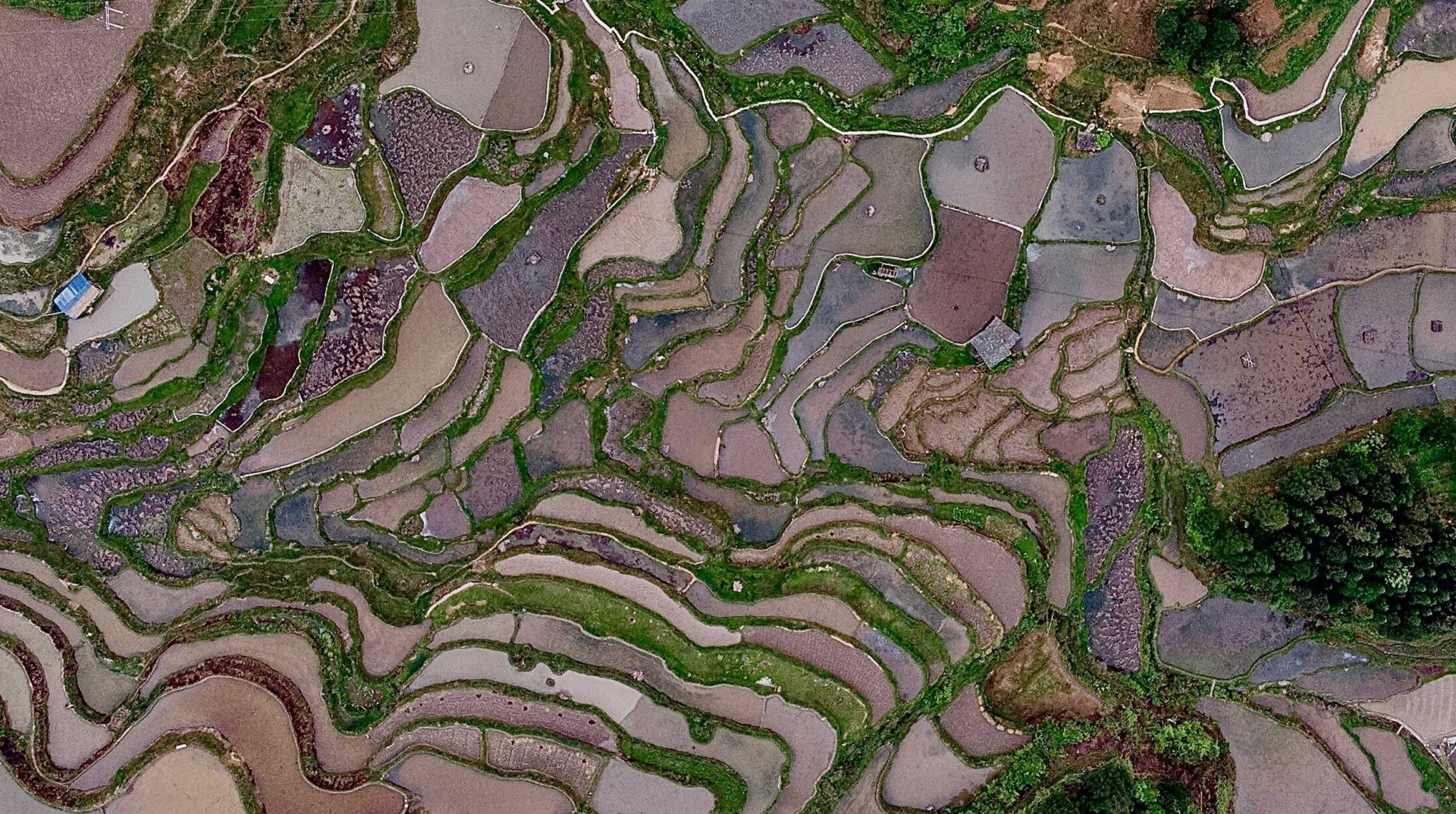
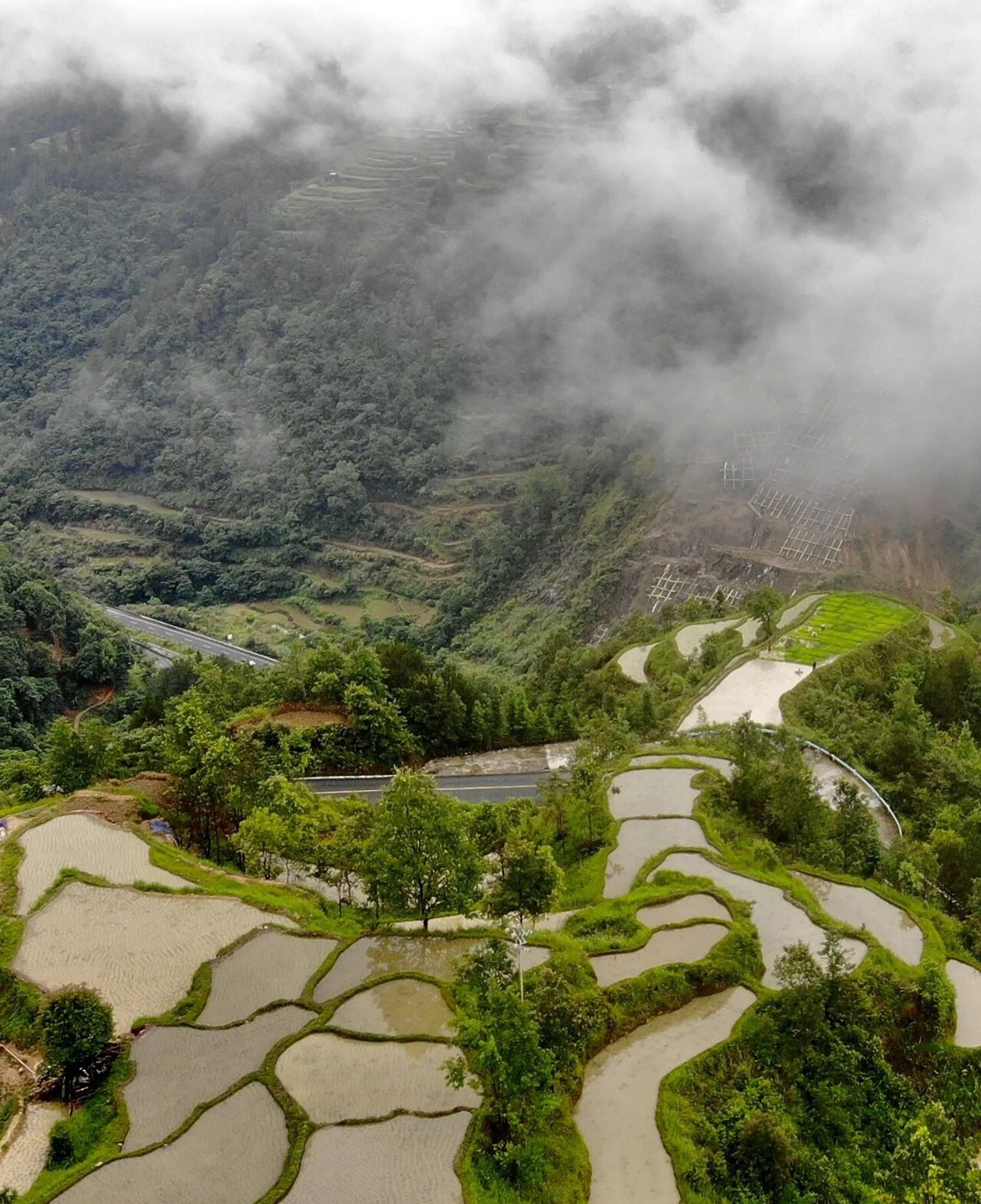
Situated in a mountainous, forested region, Huanggang faces several constraints on rice cultivation. Water can be difficult to retain, mountain spring water is relatively cold, and the growing season is limited. The local varieties that have persisted here are the result of an ongoing relationship between environmental conditions and generations of farmer selection.
After planting in 2019, Wu Chenglong took us to see a type of field known locally as ruantian, or “soft fields”.
These fields retained water throughout the year. Water levels were generally maintained at more than 30 centimetres, and the fields were not drained in winter. At the time, we struggled to understand why anyone would grow rice under such conditions. Deep water, low temperatures and limited sunlight seemed far from ideal for cultivation.
Wu Chenglong explained that the fields were supplied by mountain springs, keeping the water cold throughout the year. Many introduced varieties struggled in these conditions: tillering was inhibited and yields declined, sometimes to the point where cultivation was barely worthwhile. Local fragrant glutinous rice, however, had been selected and cultivated over generations in this environment. Some plants could grow to more than a metre in height and tolerate a certain depth of standing water.
His explanation changed our initial assumptions.
We had been accustomed to judging a field's suitability for cultivation through individual factors such as water depth, temperature and sunlight. Wu Chenglong approached the same field through years of practical experience. He understood which varieties could grow there, and why these fields remained worth cultivating.
We began to recognise that the characteristics of a local variety are not simply a set of biological measurements that can be listed in a record. They are also connected to particular field conditions, the timing of agricultural work and a long process of selection. The growth characteristics of Gouyangdang, which had seemed distinct in isolation, could not be fully understood apart from the fields in which it had developed.

According to villagers' recollections, Huanggang's history of mountain terrace farming stretches back several centuries. In the past, the village is said to have maintained more than forty fragrant glutinous rice lines with different traits, each potentially associated with particular field conditions and ways of managing the land. By the time of our fieldwork in 2019, the number of varieties that could be reliably replanted and were still being actively saved by farmers had fallen to around ten.
These figures came from local recollections and the project's field records. Yet they pointed towards a question worth pursuing: as the number of varieties declines, is it only the seeds themselves that disappear, or also the body of cultivation knowledge and production relationships that developed around them?
If a variety depends on particular water levels, temperatures and farming rhythms, bringing it back does not guarantee that it will grow successfully. We needed to understand not only the seed, but also the wider environment that sustained it.
The rice–fish–duck system offered another view of how complex these relationships could be.
At first, we saw ducks walking through the fields and fish moving through the water. We assumed it was a loose form of mixed farming: fish ate insects, ducks ate weeds, and each played its own part. Later, while resting in the fields, a farmer involved in the trial laughed and corrected us. It was not that simple.
He explained that the system depended on a sequence of carefully timed arrangements. Farmers dug low‑lying areas known as “fish refuges” within the terraces and covered them with branches, creating places where fish could shelter from the ducks. Ducklings were not introduced until the fish had grown to a suitable size. Nor could the ducks enter the fields at any time: farmers waited until the rice had headed and the plants were more than a metre tall, reducing the risk of the ducks eating the developing grain.
These arrangements had not been written into a standard operating procedure. They existed in farmers' everyday judgements. When to release the fish, when to introduce the ducks, how deeply to maintain the water and how long to let the ducks remain in the fields all depended on close observation of the rice, fish and ducks as they grew.
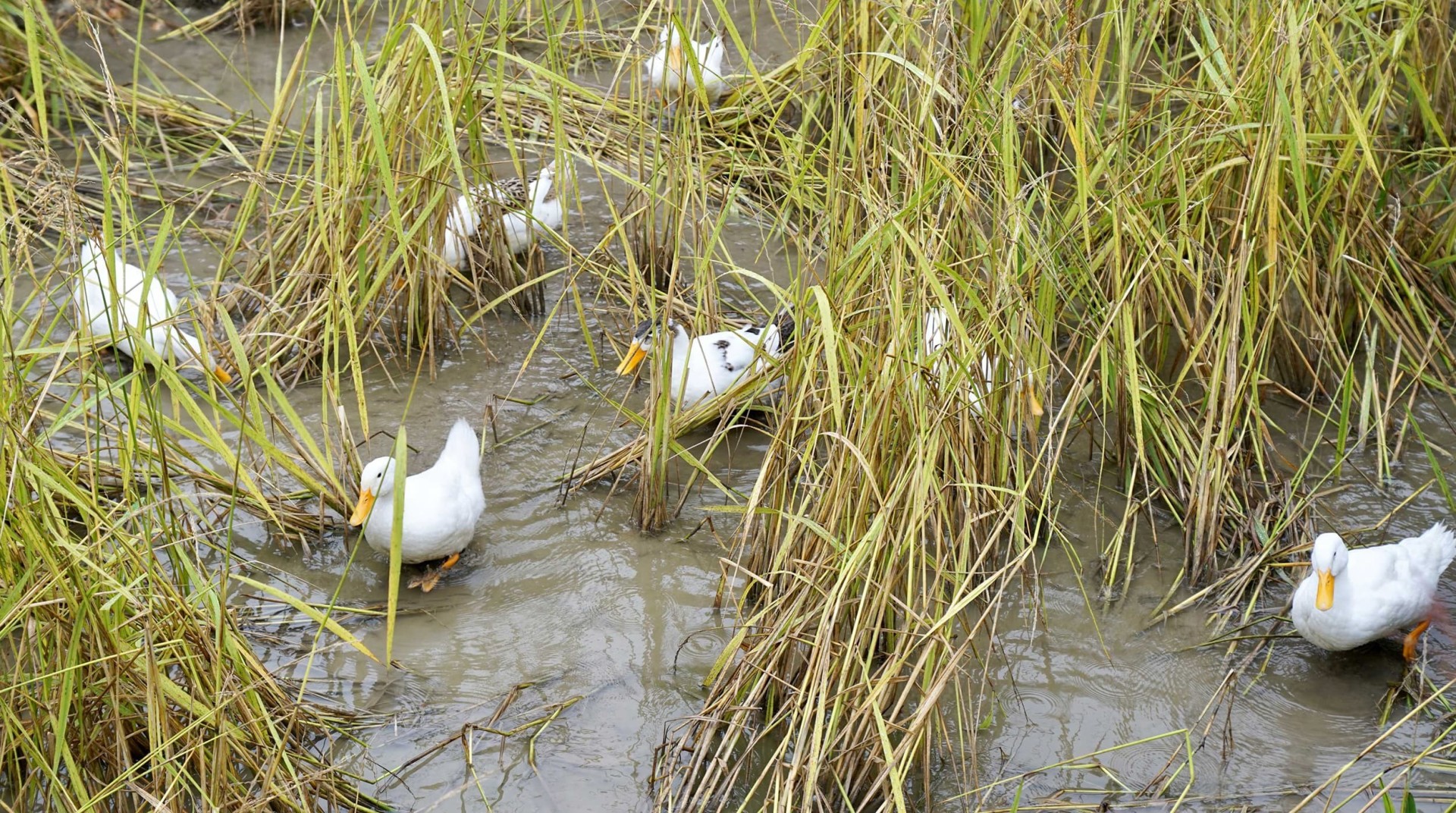
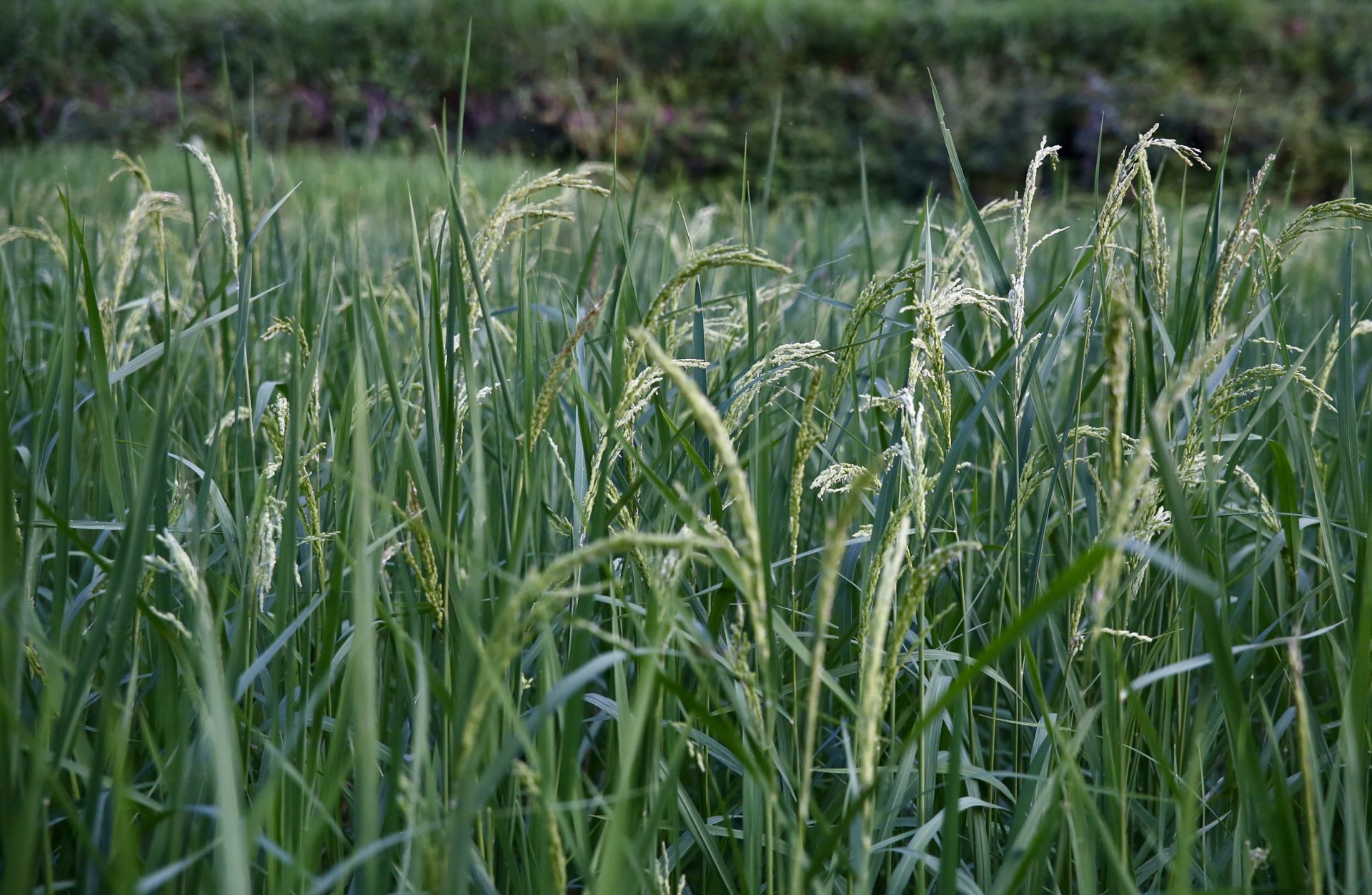
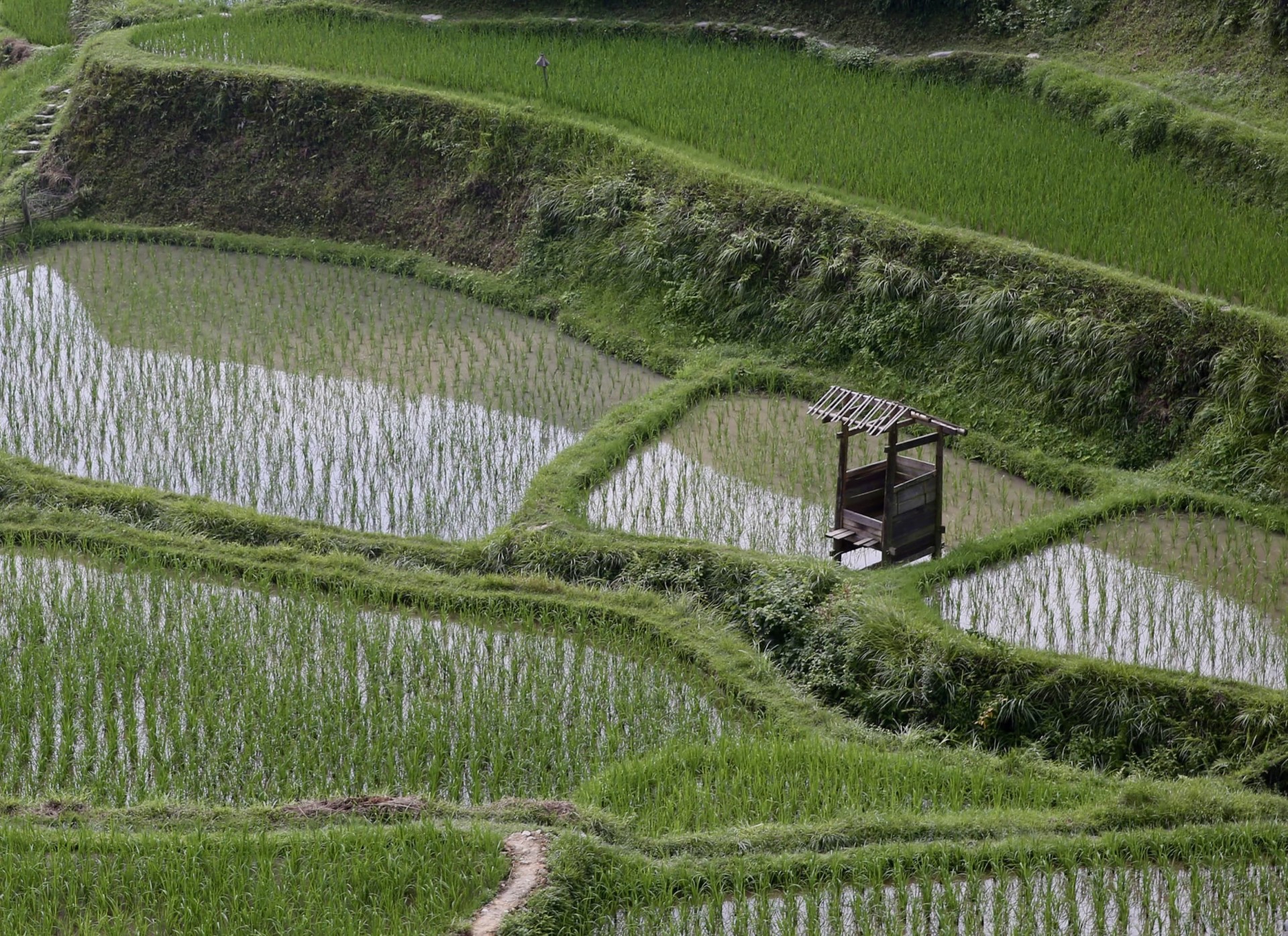
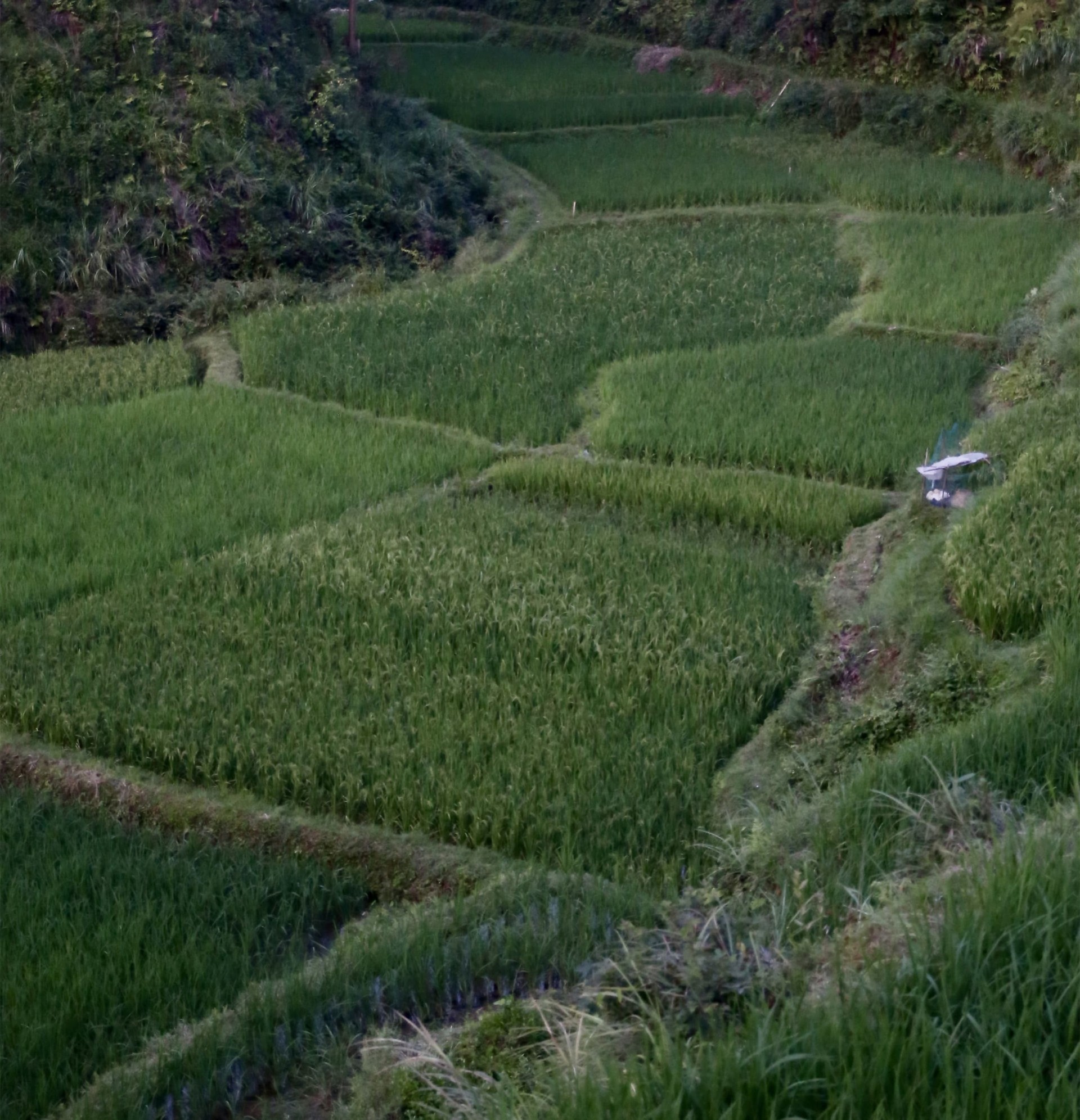
The ducks fed on some insects and aquatic weeds, disturbing the surface soil as they moved. Their droppings, together with those of the fish, also returned nutrients to the fields. The rice provided a habitat for fish and ducks, while the organisms living in the paddy became part of its wider cycle of resources. Rather than functioning independently, the different species formed a network of relationships shaped by their growth stages, the field environment and the timing of agricultural work.
Rice yield alone offered an incomplete picture of this system. Fragrant glutinous rice yielded approximately 300 jin per mu, considerably less than the yields commonly reported for hybrid rice in local comparisons. Yet, according to farmers, a terrace using the combined rice–fish–duck system could also produce around 30–50 jin of fish and 60–70 local small‑framed ducks per mu. These figures would vary with field conditions, management and the season, but they suggested why the system could not be evaluated through rice yield alone.
The system depended on Huanggang's terraced landscape, mountain spring water and the growing cycle of fragrant glutinous rice. It also relied on the judgement farmers had developed over many years. It was not a technical model that could simply be transferred to another location. The same fish refuges and timing would not necessarily work in fields with different terrain or water sources.
For us, the important task was not to turn these practices into a ready‑made model for wider application. It was to understand how farmers had learned to coordinate land, water, crops and animals through long‑term experience. This also changed the way we understood Gouyangdang. Its fragrance and taste mattered, but whether it could continue to be cultivated was closely connected to the local fields, farming arrangements, food culture and the choices available to farmers.
A local variety is not a specimen that can be preserved in isolation. It is part of an agricultural system. Putting its seeds into a bag does not, by itself, ensure its survival if the land, knowledge and relationships that sustain it are no longer in place.
From Revival to Continuity
In 2020, the Seed Project expanded to involve thirty‑two farming households. Project records show that sixty‑four rice varieties were raised in seedbeds. Thirty‑four germinated successfully, and twenty‑eight survived after transplanting. The fragrant glutinous rice harvested from the trial plots was intended to be kept in Huanggang as seed for the following year's project.
These figures recorded the project's progress, but they also showed that revival remained a process of trial and selection. Collecting seeds and bringing them back to the village did not guarantee that they would grow successfully. Germination, transplanting, growth, maturity and seed saving each brought their own uncertainties.
That year, the COVID‑19 pandemic disrupted the movement of local people seeking work elsewhere. Some young people who would normally have left the village for employment stayed behind and took part in the Seed Project and other farming activities. Some fields that had previously been left uncultivated were brought back into use.
This change was not caused by the Seed Project alone. It nevertheless made visible the close relationship between local agriculture and rural livelihoods. Whether a field continues to be cultivated depends not only on whether a variety survives, but also on whether people can return, whether they are willing to invest their labour, and whether farming can continue to hold a meaningful place in everyday life.
Reviving a variety can help it grow again, but it cannot, by itself, resolve all the challenges facing local agriculture.
If seeds survive only in trial plots, with no one continuing to cultivate them after a project ends, they may disappear once more. If traditional knowledge is recorded only in texts and photographs but no longer informs everyday practice, it too may gradually lose its place in living culture.
The question guiding the Seed Project therefore began to shift: from how to recover a seed to how to ensure that it continued to be grown.
This also prompted us to reconsider the role of design.
Design intervention in local agriculture should not simply extract a material, form or cultural symbol from a place and turn it into a product for urban markets. More importantly, it should ask whether new connections can be developed through an understanding of local production conditions—ways to make local knowledge visible, respect farmers' experience and create conditions in which these practices can continue.
Product development may offer one possible route, but it cannot replace the work of reviving and cultivating seeds. Whether a design intervention creates value needs to be tested through actual use, production and feedback, rather than assumed from the appearance of a concept or product.
These questions remain open. We need to continue examining what knowledge can be carried forward, which production practices may need to change, and whether new design interventions can bring lasting, tangible value to local agriculture.
Who Decides What Gets Grown?
When the Seed Project began, we wanted to recover a lost variety. Over two years of fieldwork, our understanding of seeds gradually changed.
Seeds are not simply biological resources to be collected, preserved or exchanged. They are also connected to farmers' ability to save their own seed, choose what to grow and organise production according to local conditions.
When farmers can save and exchange seeds, they retain not only a means of production but also the ability to make decisions grounded in accumulated experience. Different varieties allow them to respond to different fields and environments, while local knowledge helps them judge what is suitable and how cultivation can continue.
The commercialisation and standardisation of modern agriculture have brought greater efficiency to production, but they have also changed how seeds are obtained and used. As farmers become more dependent on externally supplied seed, the practice of saving seed and maintaining local varieties may diminish. Market preferences, cultivation costs and production efficiency all influence which varieties remain in the fields.
This does not mean that commercial seeds or modern agricultural technologies should be rejected. The question is whether local varieties can retain a place within changing production systems, whether farmers can continue to participate in decisions about seed selection and transmission, and whether agriculture can maintain enough diversity to respond to environmental change.
The rights associated with seeds are not simply a matter of who owns them. They also concern who can save them, who has the means to continue growing them, who decides what gets planted, and whether local knowledge can continue to shape the development of agriculture.
In Huanggang, we saw that farmers did not judge seeds by yield alone. They also considered the depth, temperature and terrain of their fields, the maturity of different varieties, how fish and ducks could be integrated with rice cultivation, and whether the harvested rice suited their household's dietary needs.
Behind these decisions lies a body of knowledge closely connected to everyday life. If a variety is judged solely by a single measure of yield, or its future is determined only by market demand, values that are difficult to quantify may gradually disappear from consideration.
Protecting local seeds therefore means more than preserving a collection of varieties. Nor does it mean simply returning to the past. It means allowing these varieties to remain part of living agricultural practice, and ensuring that farmers can participate in deciding what to grow, how to grow it, and how seeds will be used and passed on.
In this sense, the dignity of a seed is not abstract rhetoric. It lies in whether the seed can return to the soil, grow in an environment suited to it, and remain available for farmers to select and save. It also lies in whether the knowledge and ways of life connected to it have a chance to continue.
Keeping the Seeds Growing
The revival of Gouyangdang did not resolve every problem. It did, however, allow us to begin with a single variety and gradually see the complex relationships within local agriculture.
At first, we were looking for a seed that was disappearing. We then began observing how it germinated, how it grew in different fields, and how it related to local water sources, paddy conditions and farming practices. As the work continued, we came to understand that the survival of a seed was also closely connected to farmers' livelihoods and choices, and to whether the wider agricultural system could continue to function.
This process changed the way we understood agriculture.
Local varieties are not relics waiting to be collected, nor should they exist only as symbols of traditional culture. Their lives continue through cultivation, and their value can be understood only in relation to the land and lives in which they take part.
For NONGZAO, the Seed Project remains an ongoing exploration. We seek to enter the realities of production through fieldwork, develop an understanding of local knowledge through repeated observation and experimentation, and explore more meaningful connections between rural and urban life through continued practice.
Recovering a single seed is the beginning.
The real challenge is to keep it growing, while allowing the land, knowledge and relationships that sustain it to continue as well.
—Practice Period: 2019–2021
Initiator: Xu Gang
Project Coordinator: Wu Chenglong
Project Participants: Wu Chenglong, Wu Shenglian, Wu Quanyou, Wu Mingsheng, Wu Xianlai, Wu Shenglin and Wu Xuelin, together with other local farming households; Luo Qi, Xiang Kebiao, Wu Hanlin, Wu Zhenglong, Wu Xianhui, Wu Xu’an, Xu Gang, Zhu Chunhua, Xu Kaixin, Cao Haochang, Li Quan, Tan Yatu and Li Lijun.
Fieldwork Documentation: Xu Gang, Luo Qi